


Hazard Warning Flasher


Hella H22895001 MST6 Mini LED Warning Lighthead 12/24V Amber 23 Flash Patterns





Airtex 1R1466 A/C Compressor Control Relay Multi-Purpose Relay RY297




Hella H22897051 Mini LED Lighthead Amber/White Dual-Color Strobe Warning Light


 Representative Photo, actual item may vary
 Representative Photo, actual item may vary


Hella H22890051 Mini LED Lighthead Amber/White Flash Patterns Hazard Warning Flasher - MS6 12/24V 5


Hella H27994001 Micro DE LED Light Bar 40 Amber Warning Light Fixed Mount 12/24V


Hella H22901031 Concealed LED Lightheads Amber/White 12/24VDC 37 Flash Patterns

Hella H22895051 Mini LED Lighthead Amber/White Flash Patterns Hazard Warning Flasher - MST6 12/24V 23

Hella H27994011 Micro LED Light Bar 40 Amber Warning Light with Magnetic Mount 12/24V


Hella H99892001 MS26 Mini LED Lighthead L-Bracket Single Head Mounting Bracket


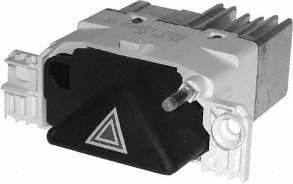 Representative Photo, actual item may vary



- 1
- 2
What Is a Hazard Warning Flasher?
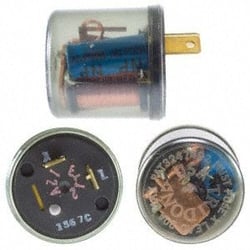
The hazard warning flasher is a small but safety-critical component in your vehicle's electrical system. It is the relay unit responsible for making your hazard lights and, in many applications, your turn signals blink at the correct rate. Typically installed in or near the fuse block, this unassuming device interrupts the circuit to your indicator lamps at a timed interval, producing the distinctive flash that alerts other drivers when you're turning, merging, or stopped on the side of the road.
There are two main types of flasher units: thermal (electro-mechanical) and electronic. Thermal flashers use a bimetallic strip that heats and cools with current flow to open and close the circuit — a time-tested design found on millions of older vehicles. Electronic flashers, on the other hand, use solid-state circuitry to control flash rate, making them more reliable, longer-lasting, and compatible with modern LED lighting setups where the lower current draw of LEDs would cause a traditional thermal unit to flash erratically or not at all.
Why Replacing a Faulty Flasher Matters
A failed hazard warning flasher can mean your hazard lights don't activate at all, or that your turn signals blink too fast (hyper-flash) or too slowly to comply with road safety regulations. Because hazard lights are a primary communication tool between drivers — especially during roadside emergencies, heavy traffic, or low-visibility conditions — a non-functioning flasher is more than an inconvenience. It's a genuine safety risk. Fortunately, flasher units are among the most straightforward electrical repairs a DIYer can tackle, often requiring nothing more than locating the old unit, unplugging it, and snapping in the replacement.
Key Considerations When Shopping for a Hazard Warning Flasher
- Terminal count: Flashers come in 2-terminal, 3-terminal, and 4-terminal configurations — always match the terminal count and layout to your vehicle's connector.
- Voltage rating: Most passenger vehicles use 12V systems, but confirm your application before purchasing.
- Bulb compatibility: If you've upgraded to LED turn signal or hazard bulbs, look for an electronic flasher rated for LED or mixed incandescent/LED loads to avoid hyper-flash.
- OEM fit: Cross-referencing by year, make, and model ensures a plug-and-play replacement without modifications.
Top Brands in Hazard Warning Flashers
Tridon is one of the most recognized names in hazard warning flashers. The brand offers both thermal and electro-mechanical units, including heavy-duty variants engineered to handle high lamp loads such as trailer lighting setups. Tridon's electro-mechanical designs are noted for lasting significantly longer than conventional thermal units and are compatible with both incandescent bulbs and mixed incandescent/LED configurations.
Bussmann, now part of Eaton, brings decades of expertise in circuit protection to its flasher lineup. The brand has earned a reputation for rugged, SAE-compliant construction and offers both thermal and heavy-duty electronic flasher units covering a wide range of passenger car and truck applications. Bussmann's automotive portfolio also spans fuses, fuse panels, and fusible links — making them a trusted single-source for vehicle electrical protection components.
Original Engine Management (OEM) takes a thorough quality-assurance approach to its flasher units: every product in the OEM lineup is tested to conform to original equipment quality standards for form, fit, and function. This makes Original Engine Management a solid choice for owners seeking a replacement that mirrors the performance characteristics of the factory-installed part.