


Starter Cable






 Representative Photo, actual item may vary

 Representative Photo, actual item may vary





 Representative Photo, actual item may vary

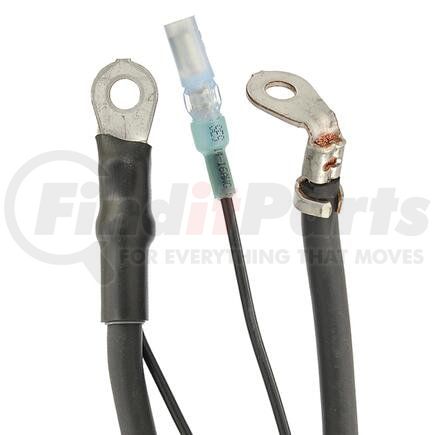 Representative Photo, actual item may vary
 Representative Photo, actual item may vary
 Representative Photo, actual item may vary


 Representative Photo, actual item may vary
 Representative Photo, actual item may vary
 Representative Photo, actual item may vary
What Is a Starter Cable and Why Does It Matter?
A starter cable — sometimes called a switch-to-starter cable or battery cable — is the heavy-gauge conductor that carries high-amperage current from your battery to the starter solenoid and starter motor. Every time you turn the key or press the start button, this cable is the critical link that delivers the surge of electrical current needed to crank the engine. A worn, corroded, or undersized starter cable can cause sluggish starts, no-start conditions, or even damage to the starter motor itself — making it one of the most important (and most overlooked) components in your vehicle's charging and starting system.
How Starter Cables Work
Starter cables are engineered specifically for high-current, short-duration loads. Unlike standard primary wire, starter cable uses a thick, multi-strand copper core to minimize resistance and voltage drop across the connection. The outer jacket is typically a durable PVC or thermoplastic compound rated to handle underhood heat, oil, and fuel exposure. The quality of both the conductor and the insulation directly affects how reliably current reaches your starter — and by extension, how reliably your engine starts.
When shopping for a replacement starter cable, key factors to consider include:
- Gauge (AWG): Lower AWG numbers mean thicker wire and more current-carrying capacity. Most passenger vehicle applications use 4-gauge to 2/0-gauge cable.
- Length: The cable must reach comfortably between the battery, solenoid, and starter without excessive slack or tension.
- Terminal type: Make sure the lugs or terminals match your solenoid and battery post specifications.
- Jacket rating: Look for jackets rated for high heat and resistance to oil and fuel — especially in tight engine bays.
- Application: Automotive, motorcycle/powersports, marine, and commercial applications each have different gauge and construction requirements.
Top Starter Cable Brands
All Balls Racing is a trusted name in powersports replacement components, and their starter cable lineup is built with the demands of competitive riding in mind. Their battery cables are constructed with pure electrolytic-grade copper wire strands using a 7-over-7 bundling method that maximizes current flow and flexibility, wrapped in an outer jacket rated for 125°C and resistant to oil and gas — making them a dependable upgrade or direct OEM replacement for motorcycles, ATVs, UTVs, snowmobiles, and more.
Wire (East Penn Mfg Co) brings decades of wire and cable manufacturing expertise to the starter cable category. East Penn is widely recognized as one of the largest providers of cable products in North America, producing starter cable wire in an ISO 9001-certified facility using 100% copper conductors drawn and stranded in-house — from automotive and marine to lawn and garden applications. Their vertically integrated manufacturing process, from copper rod to finished cable, ensures consistent quality and conductivity across their entire product range.
Deka Battery Terminals — the consumer-facing brand of East Penn Manufacturing — offers switch-to-starter battery cables engineered for direct replacement in automotive and commercial applications. Deka cables are made with 100% copper conductors and gravity-cast antimonial lead universal terminals, meeting SAE standards for reliable current delivery and quick starting performance. Their broad product line also includes heavy-duty bulk starter cable for commercial vehicle and fleet applications.
When to Replace Your Starter Cable
Starter cables don't last forever. Exposure to heat cycles, vibration, and corrosion gradually degrade both the conductor and the insulation. Signs that a starter cable may need replacement include slow engine cranking, a clicking sound from the solenoid with no crank, visible corrosion at the terminals, cracked or brittle insulation, or a cable that feels hot to the touch after an attempted start. Proactive replacement with a quality cable is far less costly than a roadside breakdown or starter motor failure.