


Power Take Off (PTO) Output Shaft Seal
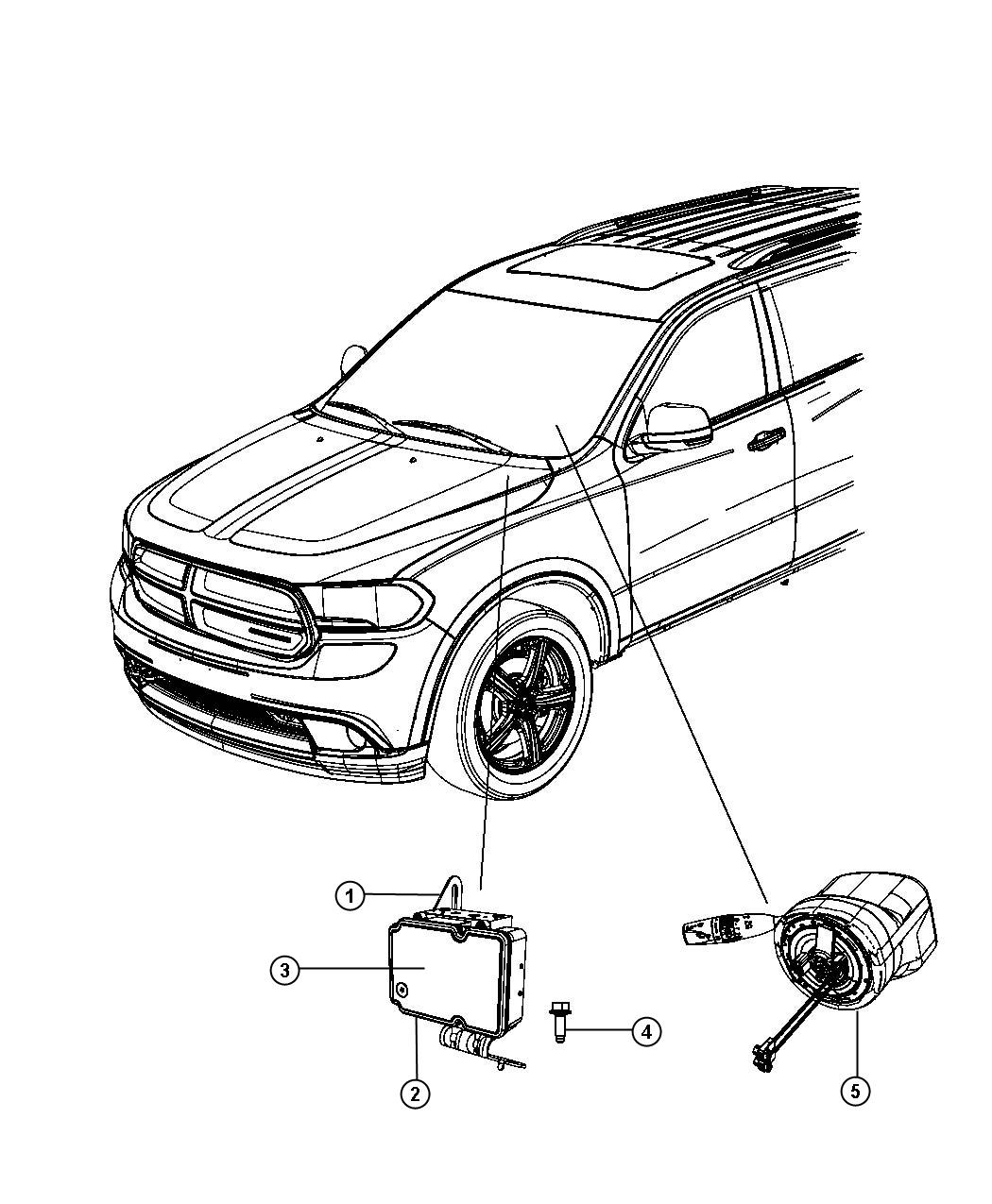 Representative Photo, actual item may vary

What Is a PTO Output Shaft Seal?
A Power Take Off (PTO) output shaft seal is a precision-engineered sealing component located where the PTO shaft exits the transmission housing or gearbox. Its primary job is to contain lubricating fluid — whether gear oil or transmission fluid — within the PTO unit while still allowing the shaft to rotate freely. The output shaft seal is responsible for keeping gear oil or transmission fluid inside the unit, and is typically round in shape, made of rubber and sometimes metal, not unlike many other automotive engine and transmission seals.
Why PTO Output Shaft Seals Matter
The PTO output shaft seal is a small part that plays an outsized role in drivetrain health. The output shaft seal prevents fluid from leaking out of the case, keeping internal metal components properly lubricated. If the seals leak, fluid escapes and cannot properly lubricate the internal components, and with time and use the parts inside will wear out and overheat. In a tractor or heavy-equipment application, a failed PTO seal can sideline an entire work operation. In trucks and SUVs with 4WD or AWD systems, a compromised seal can render the transfer case useless, and the vehicle will no longer be able to shift into four-wheel drive.
Common Signs of PTO Output Shaft Seal Failure
Catching a failing seal early can save you from costly downstream repairs. Here are the most common warning signs to watch for:
- Oil leaking near the PTO shaft: The primary symptom of a failing PTO seal is oil leaking from the area where the PTO shaft exits the tractor or housing.
- Oil pooling underneath the equipment: Look for oil puddles beneath the PTO shaft area, especially after the tractor or vehicle has been sitting.
- Dropping fluid levels: Regularly check the transmission or rear differential oil level — a consistent drop in oil level without any other apparent leaks suggests a PTO seal issue.
- Difficulty shifting gears: Leakage through a damaged seal reduces the amount of fluid optimal for normal transmission operation, and the resulting drop in fluid pressure makes it difficult to change gears in both manual and automatic transmissions.
- Erratic 4WD behavior: Sometimes the loss of fluid will cause the vehicle to jump in and out of four-wheel drive without the driver activating the switch.
What Causes PTO Output Shaft Seal Wear?
Over time the rubber can dry up and the seal can wear out, which can lead to leaks and other issues. Heat cycling, exposure to contaminants, and the constant rotational stress of the PTO shaft all contribute to gradual seal degradation. Improper installation of a new seal can lead to premature failure, as can excessive internal pressure, which can overwhelm the seal and cause it to leak. In off-road or heavy-equipment settings, the added vibration and load placed on the PTO shaft can accelerate wear even further.
Choosing the Right PTO Output Shaft Seal
When shopping for a replacement PTO output shaft seal, correct fitment is everything. Seals are sized by their inner diameter (which must match the shaft), outer diameter (which must match the bore), and overall cross-sectional height. Always cross-reference your equipment's make, model, and year — or the OEM part number — to confirm compatibility. Material construction matters too: standard nitrile rubber seals work well for most applications, while high-performance silicone or PTFE-lip seals offer enhanced resistance to extreme heat and chemical exposure, making them a smart choice for high-demand PTO operations.
Replacing a PTO output shaft seal promptly at the first sign of a leak is one of the most cost-effective maintenance steps you can take to protect a much more expensive drivetrain assembly.