


Axle Differential Seal








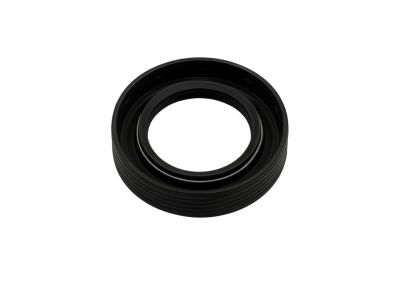 Representative Photo, actual item may vary




 Representative Photo, actual item may vary



 Representative Photo, actual item may vary


 Representative Photo, actual item may vary


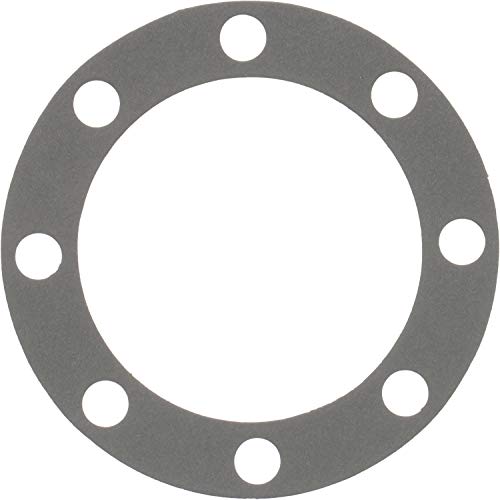 Representative Photo, actual item may vary








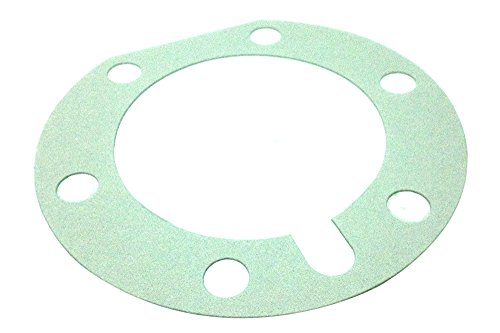 Representative Photo, actual item may vary

 Representative Photo, actual item may vary


 Representative Photo, actual item may vary


 Representative Photo, actual item may vary


 Representative Photo, actual item may vary


Eurospare FTC3650X Rear Stub Axle Gasket for Land Rover Defender Discovery Range Rover Classic

 Representative Photo, actual item may vary


 Representative Photo, actual item may vary


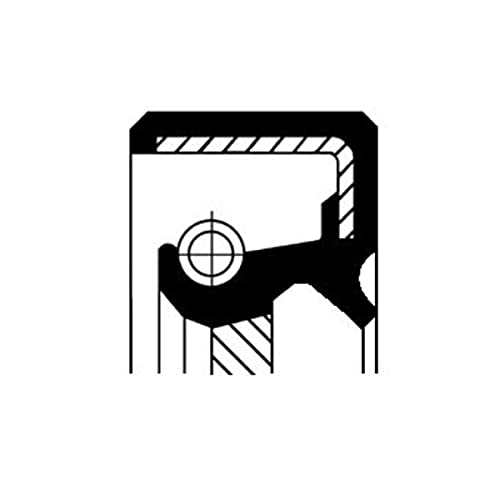 Representative Photo, actual item may vary

 Representative Photo, actual item may vary
What Is an Axle Differential Seal?
The axle differential seal is one of those small but mission-critical components that keeps your vehicle's drivetrain running cleanly and reliably. Positioned where the axle shaft meets the differential or transfer case housing, this seal performs a dual role: it keeps gear oil contained within the differential housing while simultaneously blocking road grime, dirt, and moisture from getting in.
The differential itself is a remarkably demanding environment. The ring and pinion gears inside generate intense heat and friction during every mile of driving, relying entirely on a film of heavy gear oil for lubrication and protection. The axle differential seal maintains the necessary pressure within that housing, riding tightly against the rotating output shaft to keep that oil right where it belongs.
Why Axle Differential Seals Fail — and Why It Matters
Over time, the flexible rubber lip of a differential seal is exposed to extreme heat cycles, constant rotational stress, and the chemical effects of gear oil. The rubber material can gradually harden and lose its ability to maintain a tight grip against the shaft. Cold weather can accelerate this process, making older seals brittle and prone to cracking during the first drive of a cold morning. Improper axle removal or installation is another common culprit — the flexible seal lip can be easily torn if the axle is not guided in carefully during service.
A leaking axle differential seal should not be ignored. A significant loss of differential fluid can starve the ring and pinion gears of lubrication, leading to rapid wear and potentially catastrophic drivetrain damage. Beyond gear damage, a leaking seal can allow gear oil to contaminate nearby brake components — a serious safety concern. Catching and replacing a failed seal early is far less costly than addressing the downstream damage a dry differential can cause.
What to Look for When Shopping for a Replacement
When selecting a replacement axle differential seal, precise fitment is everything. Seals are sized to exact inside and outside diameters specific to your axle housing bore and shaft diameter, so always verify compatibility with your vehicle's year, make, model, and drivetrain configuration. Material quality matters too — look for seals constructed from durable compounds capable of withstanding the heat, pressure, and chemical exposure inside a working differential. Whether your vehicle uses a rear solid axle, an independent rear suspension differential, or a front axle on a four-wheel-drive system, choosing a seal engineered to match the original specification will ensure a long-lasting, leak-free repair.
Top Brands for Axle Differential Seals
Dorman is a leading name in this category, offering axle differential seals engineered as direct-fit replacements for a wide range of domestic trucks, SUVs, and 4WD vehicles. Dorman's seals are designed to match the fit and function of the original equipment seal, and the brand backs its products with more than a century of aftermarket engineering expertise.