


Automatic Transmission Oil Pump

Speedmaster PCE693.1002 Ford C4 Transmission Billet Aluminum Front Oil Pump


Genuine Mercedes 722 270 01 97 Automatic Transmission Oil Pump Assembly





ACDelco 8684950 GM Original Equipment Automatic Transmission Secondary Fluid Pump

ACDelco 8662901 Automatic Transmission Oil Pump Slide 17.967mm


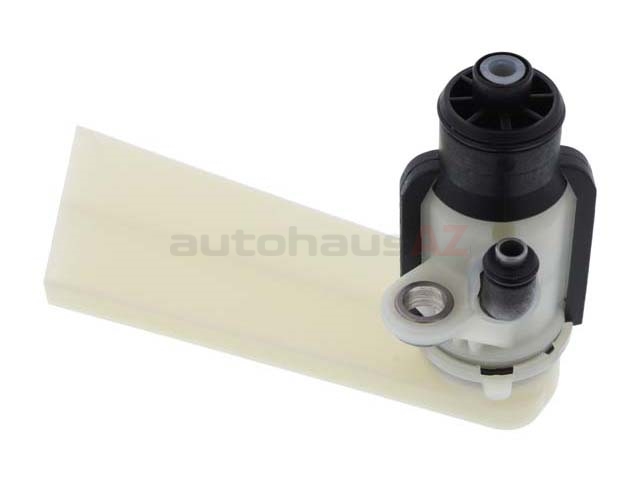 Representative Photo, actual item may vary


 Representative Photo, actual item may vary


FTI Transmissions Converters F25087 Powerglide 7-Bolt Front Pump Assembly with Gasket

 Representative Photo, actual item may vary





 Representative Photo, actual item may vary


 Representative Photo, actual item may vary
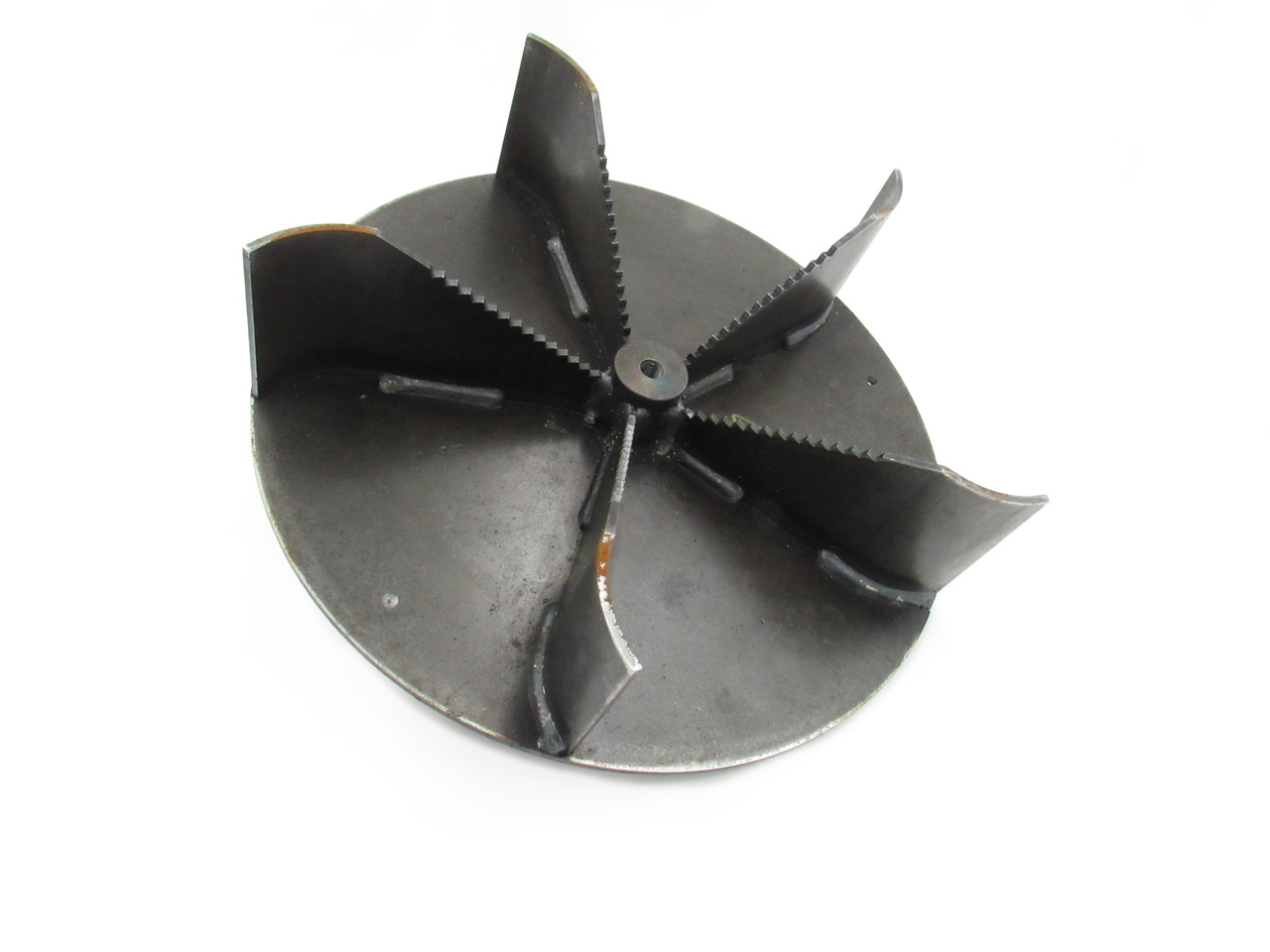 Representative Photo, actual item may vary

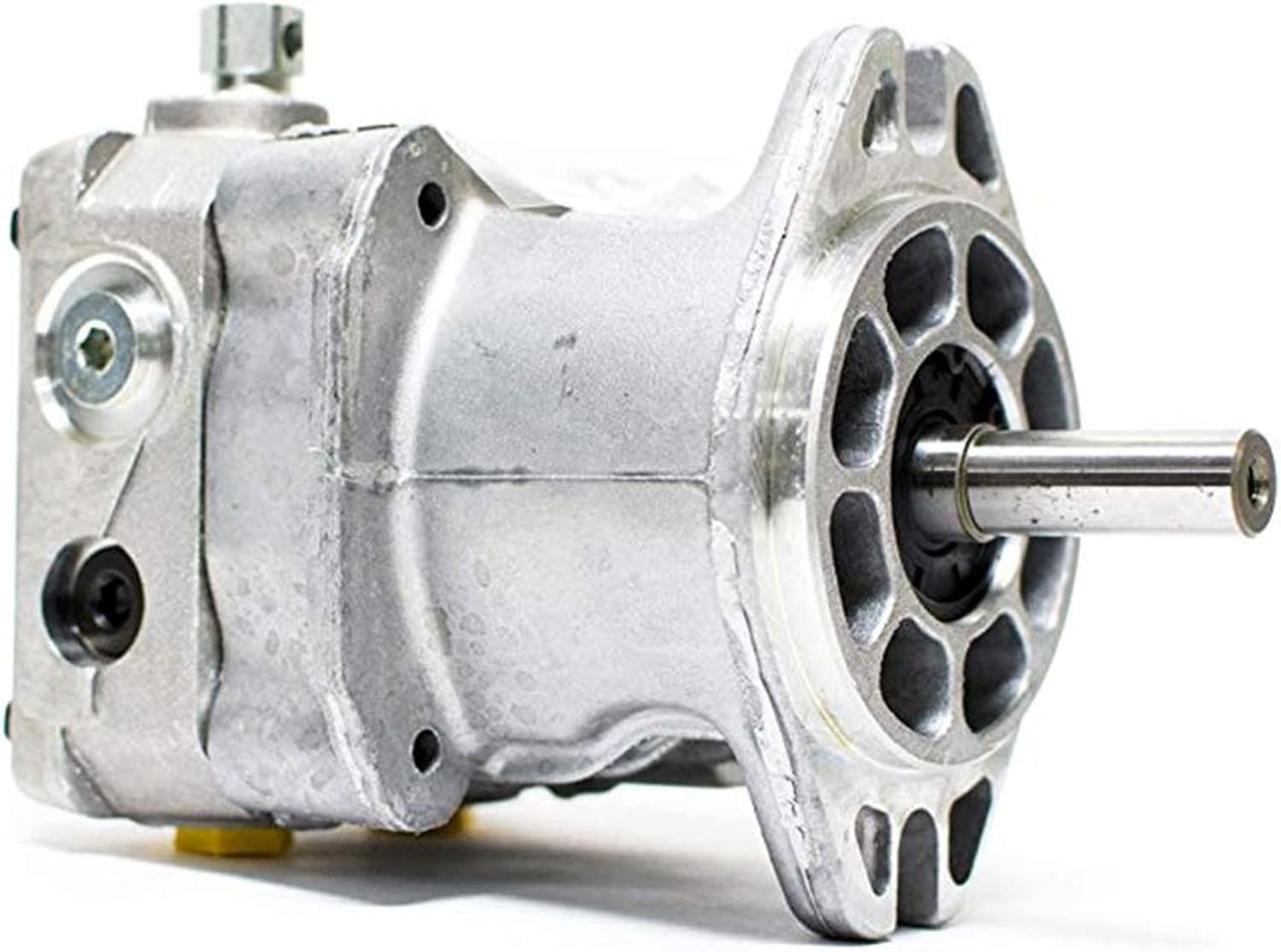 Representative Photo, actual item may vary
 Representative Photo, actual item may vary
 Representative Photo, actual item may vary
ACDelco 29536703 GM Original Equipment Automatic Transmission Fluid Pump Rotor Bushing
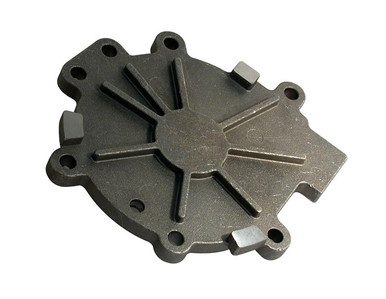 Representative Photo, actual item may vary


Sonnax 96200-01 Upgraded Pump Cover for Ford AXOD AXODE AX4S AX4N Transmissions
 Representative Photo, actual item may vary


 Representative Photo, actual item may vary


ACDelco 24042372 GM Original Equipment Automatic Transmission Pump Rotor Assembly


 Representative Photo, actual item may vary


 Representative Photo, actual item may vary

 Representative Photo, actual item may vary


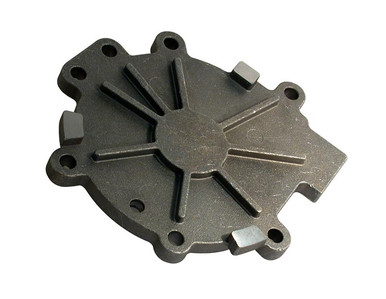 Representative Photo, actual item may vary
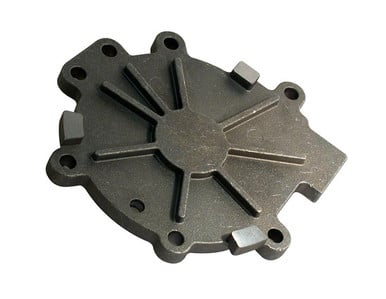 Representative Photo, actual item may vary

 Representative Photo, actual item may vary

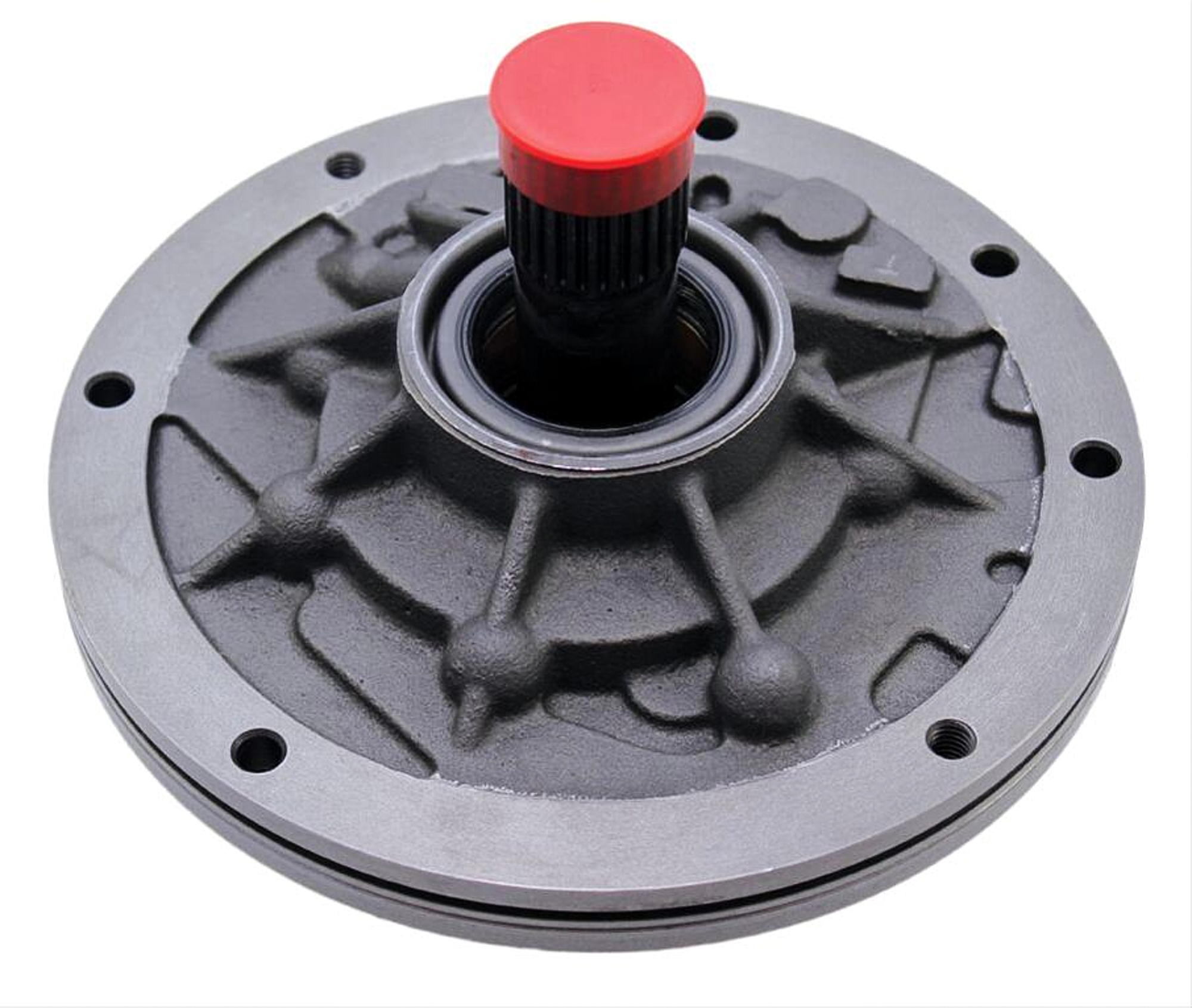 Representative Photo, actual item may vary
FTI Transmissions F404561 TH400 High Volume Front Pump 6-Bolt Cast Iron Race Modified
What Is an Automatic Transmission Oil Pump?
The automatic transmission oil pump is one of the most critical hard parts inside any automatic gearbox. It serves as the power source for the entire hydraulic system, pressurizing automatic transmission fluid (ATF) and delivering it throughout the transmission to operate clutches, bands, solenoid valves, and the torque converter. Without a functioning oil pump, an automatic transmission simply cannot do its job — there is no gear engagement, no cooling, and no lubrication.
Unlike many engine components that are driven by belts or chains, the transmission oil pump is typically driven directly by the engine through the torque converter, meaning it begins generating pressure the moment the engine starts. This constant supply of pressurized fluid is what allows modern automatic transmissions to make seamless, driver-controlled shifts at any engine speed.
What Does the Transmission Oil Pump Do?
The oil pump performs several essential functions simultaneously. It maintains hydraulic line pressure to operate each clutch pack and brake band during gear changes. It fills and pressurizes the torque converter to ensure effective power transfer and prevent cavitation. It also routes pressurized fluid to the valve body's pressure-regulating and solenoid valves, and provides continuous lubrication oil to all moving internal components to prevent wear and manage heat buildup.
Transmission oil pumps come in a few design types. Gear-type (crescent) pumps are the most common fixed-displacement design, using meshing inner and outer gears to move fluid from inlet to outlet. Rotor-type (gerotor) pumps use an inner and outer rotor with slightly different lobe counts, creating expanding and contracting chambers that efficiently move fluid with minimal noise. Vane-type variable-displacement pumps use a sliding mechanism to vary flow rate based on the transmission's actual demand, offering improved efficiency at varying engine speeds.
Signs of a Failing Transmission Oil Pump
Because the oil pump is the heart of the hydraulic system, its failure can produce a range of noticeable symptoms. Whining or whirring noises from the transmission, delayed or harsh gear engagement, slipping gears, and transmission fluid leaks are all potential indicators of pump wear or damage. Aggressive driving habits, contaminated fluid, clogged filters, and improper installation clearances are among the leading causes of premature pump failure. In many cases, replacing the pump outright — rather than attempting a repair — is the more reliable long-term solution, as it eliminates the risk of secondary transmission damage from inadequate hydraulic pressure.
Top Brands for Automatic Transmission Oil Pumps
ACDelco is the dominant name in this category. As the OE parts arm of General Motors, ACDelco transmission oil pumps are GM-recommended replacements engineered to meet original factory specifications for fit, form, and function — making them the go-to choice for GM vehicle owners seeking a direct, confidence-inspiring replacement.
For performance and racing applications, FTI Transmissions Converters brings decades of purpose-built transmission expertise to the table. FTI has been designing and hand-building transmission components since 1992, with a focus on the extreme demands of competition and street/strip use.