


Door Control Module

Dorman 599-5405 HD Solutions Driver Door Control Module, Front Left




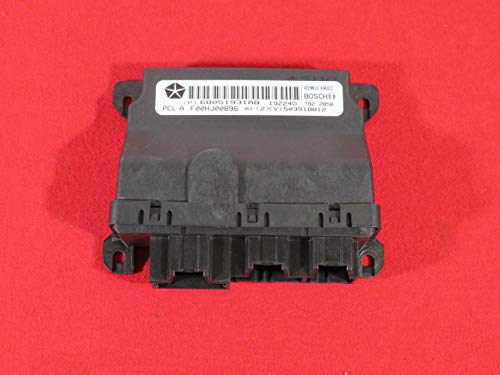 Representative Photo, actual item may vary
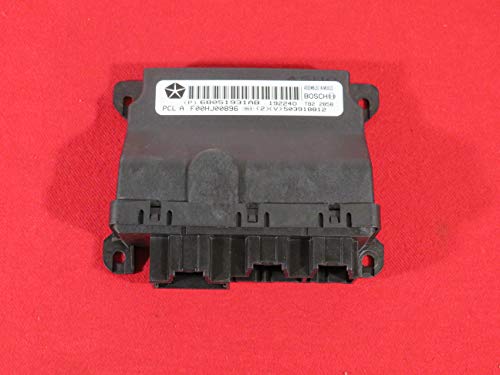 Representative Photo, actual item may vary
 Representative Photo, actual item may vary

 Representative Photo, actual item may vary


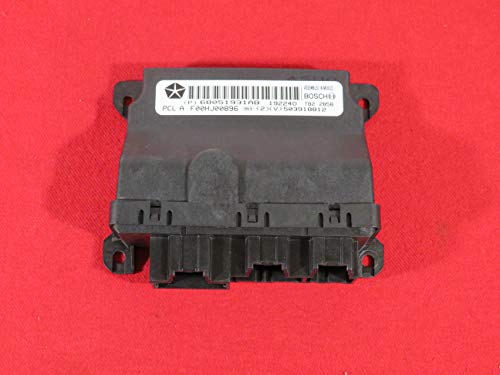 Representative Photo, actual item may vary
 Representative Photo, actual item may vary
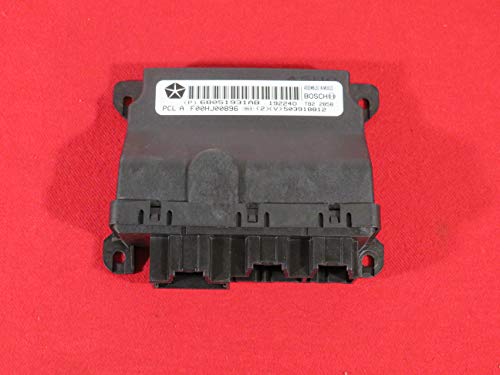 Representative Photo, actual item may vary


 Representative Photo, actual item may vary
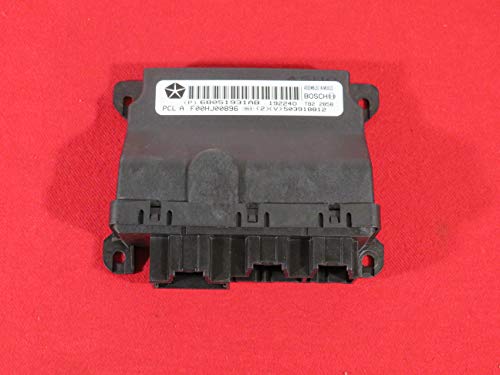 Representative Photo, actual item may vary

What Is a Door Control Module?
The door control module (DCM), also called a door control unit (DCU), is a vital part of a vehicle's electronic control system responsible for managing various aspects related to door operations. Historically, door functions were handled by the body control module (BCM), but with the advent of domain architecture in modern automotive electrical systems, management of the door is handled by these specialized units. By offloading door-specific tasks to a dedicated module, engineers keep wiring harnesses leaner and overall system reliability higher.
What Does a Door Control Module Do?
The DCM is a key component in automobile body electronics that accomplishes the electric control for primary door functions, including door lock, rearview mirror, power windows, and auxiliary lighting. A decentralized door module controls window lifts, door locks, outside rearview mirror adjustments, seat controls, audio speakers, entry and ambient lighting, and other functions.
Vehicles typically have multiple doors, so DCMs may be installed in each door individually or implemented as a centralized system. The unit associated with the driver's door often includes additional functions, such as locking controls, switch pads, and child lock features. In most configurations, the driver door module acts as the master, with other modules operating as slaves.
Here is a summary of core functions managed by a door control module:
- Power Windows: In many modern vehicles, the DCM is responsible for controlling the operation of power windows, interpreting user inputs from switches or automatic functions like anti-pinch protection and regulating the movement of window motors accordingly.
- Door Locks: The DCM manages the locking and unlocking mechanisms of all doors, including the trunk or hatch, receiving input signals from sources such as the key fob, door handles, or interior controls, and also manages child safety locks and door handle sensors.
- Mirror Control: Functions such as mirror fold, defrost, leveling, and lighting are all handled within the door module.
- Lighting: Some vehicles also integrate features such as puddle lamps and blind spot indicator systems (BLIS) into the DCU.
How the Door Control Module Communicates
Door modules are microcontroller-based units with specific interfaces for related inputs and for driving the motors that control door functions, using CAN bus for receiving command signals from the vehicle system. The adoption of the door module concept makes wiring harnesses less bulky through multiplexed command signals passed through data buses and minimizes packaging problems, also helping to reduce vehicle weight through reduced use of copper wires.
Signs of a Failing Door Control Module
The driver's door control module is responsible for managing signals related to the driver's window, door lock, mirror, trunk switch, door lighting, and the infrared receiver in the door handle — and if the module is malfunctioning, it can cause all or some of these features to stop working. Common symptoms include power windows that respond intermittently or not at all, door locks that fail to engage, mirrors that won't adjust, or warning lights on the instrument cluster. Because the DCM integrates so many comfort and safety functions, even a partial failure can significantly impact the driving experience.
Choosing the Right Replacement Door Control Module
When shopping for a replacement DCM, always match the part to your vehicle's year, make, model, and trim level. Based on the vehicle architecture and OEM preferences, there could be one or more DCUs per vehicle, so confirming the correct door position (driver front, passenger front, rear left, rear right) is essential. OEM-equivalent modules are the safest choice for maintaining factory functionality, though remanufactured units can offer a cost-effective alternative when sourced from a reputable supplier.