


Wheel Hub Nut


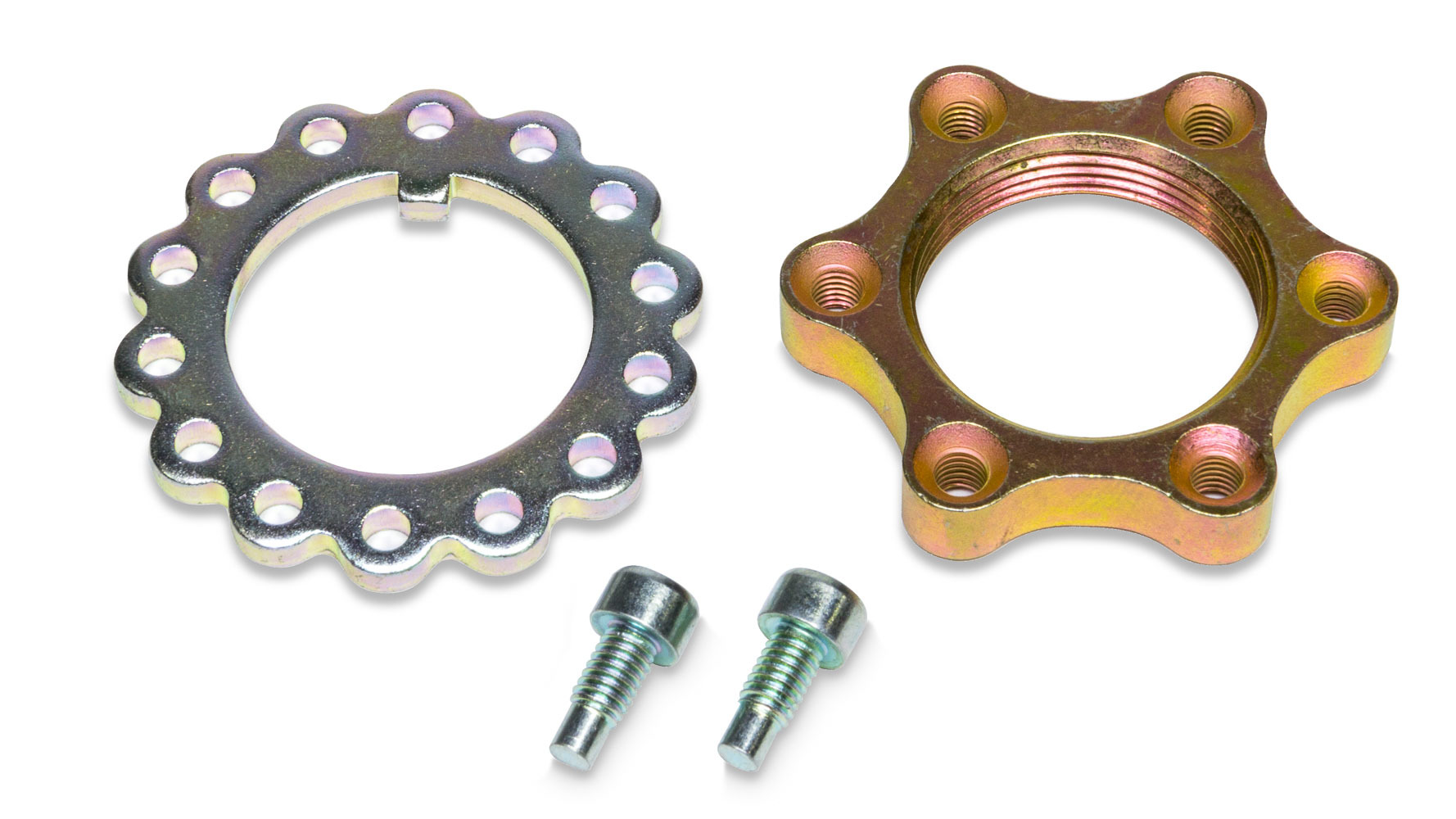 Representative Photo, actual item may vary



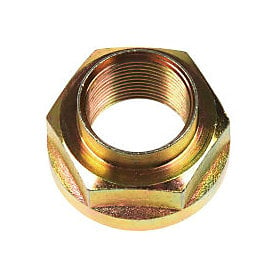 Representative Photo, actual item may vary

What Is a Wheel Hub Nut?
Wheel hub nuts — also commonly called axle nuts — are a critical piece of driveline hardware that may be small in size but enormous in consequence. The wheel hub nut ensures that the wheel hub is securely tightened onto the driveshaft, and the wheel hub itself transfers the motion of the driveshaft to the wheel. Without a properly fastened hub nut, the entire connection between your axle and wheel is compromised.
Why Proper Torque Matters
Getting the torque right on a wheel hub nut is not optional — it is fundamental to safe vehicle operation. Most drive axle wheel hubs have a center axle nut that must be torqued down onto the axle shaft to a specific torque value. Putting the proper torque on the center axle nut sets the preload for the bearing and keeps the bearing from separating while in operation — and the torque specification for this center axle nut is critical to performance and function of the wheel hub.
If the drive axle nut is under-tightened, this can create insufficient preload on the bearing and excessive internal clearances, resulting in bearing noise complaints, premature wear, and failure of the hub bearing. Equally important, an under-tightened drive axle nut can also affect the operation of the ABS wheel speed sensor on some vehicles, resulting in the illumination of the ABS warning light in the instrument cluster.
When to Replace a Wheel Hub Nut
Many drivers overlook the hub nut during routine maintenance, but it deserves close attention any time the hub assembly is serviced. Once the nut has been loosened, it can no longer be guaranteed to lock securely — you must replace the wheel hub nut with a new one after it has been loosened. The wheel hub nut can also wear out over time: dirt, rainwater, and road salt can cause corrosion, which leads to cracks and breaks, and improper tightening can also cause wear.
Racing Applications: Centerlock and Axle Nuts
In competitive motorsport, the wheel hub nut takes on even greater significance. Compared to lug nuts, centerlock wheels and hubs are better suited for racing because they can be removed and attached faster during pit stops, allow hub designs with more space for large brake discs, and have greater strength when properly installed. Sprint car racing in particular demands hub hardware built to withstand extreme lateral loads, making material choice — aluminum, steel, or titanium — a key consideration.
Top Brands for Wheel Hub Nuts
Whether you are building a race car or restoring a classic, choosing the right brand matters. TI22 Performance is the go-to choice for sprint car racers seeking lightweight, high-strength hardware. TI22 Performance offers a full line of Sprint Car, Mini Sprint, and 600 Micro Sprint parts, and many of their products are available in conventional aluminum or steel, or made from titanium for superior strength and minimum weight.
For builders working on classic and vintage platforms, Helix specializes in hard-to-find hardware engineered specifically for early-era vehicles. Helix produces polished chrome hardware, such as turn stop nuts, that thread onto king pin cross bolts on early Ford solid axle suspension systems — blending correct fitment with period-appropriate style.
Rounding out the category, Vintage Parts is a valuable resource for restorers and collectors in need of original-specification components that are no longer in mainstream production, making it easier to source the correct hub nut for older driveline configurations without compromise.
Choosing the Right Wheel Hub Nut
- Thread size and pitch: Always match the nut to the exact axle thread specification for your application.
- Material: Aluminum reduces unsprung weight for racing; steel offers durability for daily drivers; titanium provides the best strength-to-weight ratio.
- Single-use vs. reusable: Many OEM and performance manufacturers designate hub nuts as single-use — always check manufacturer guidelines before reuse.
- Torque to spec: Always use a calibrated torque wrench and follow the vehicle or component manufacturer's specified torque value.