


Trailer Wiring Harness Connector


Wired Harnesses 55312 Custom Trailer Wiring Harness T-Connector Flat - 4-Pin 4-Way



 Representative Photo, actual item may vary





 Representative Photo, actual item may vary


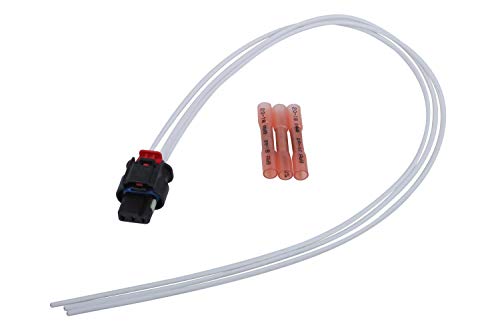 Representative Photo, actual item may vary




 Representative Photo, actual item may vary


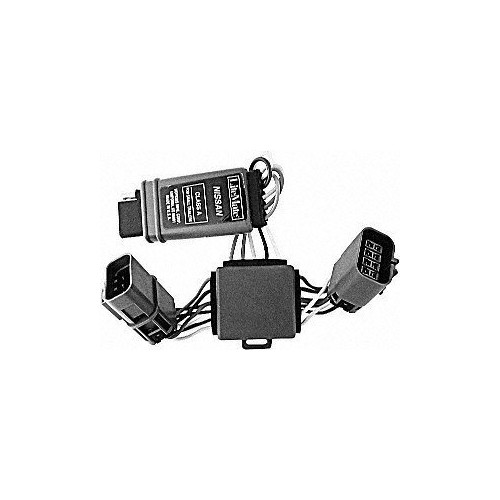 Representative Photo, actual item may vary

 Representative Photo, actual item may vary

 Representative Photo, actual item may vary


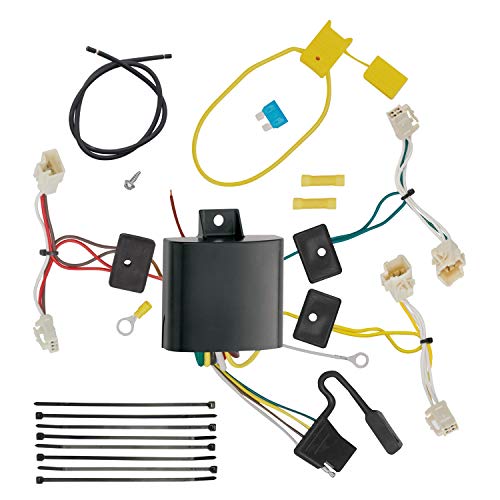 Representative Photo, actual item may vary

 Representative Photo, actual item may vary
 Representative Photo, actual item may vary
 Representative Photo, actual item may vary
 Representative Photo, actual item may vary
 Representative Photo, actual item may vary
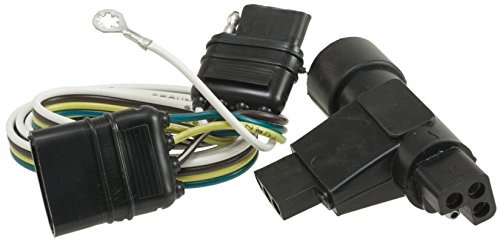 Representative Photo, actual item may vary



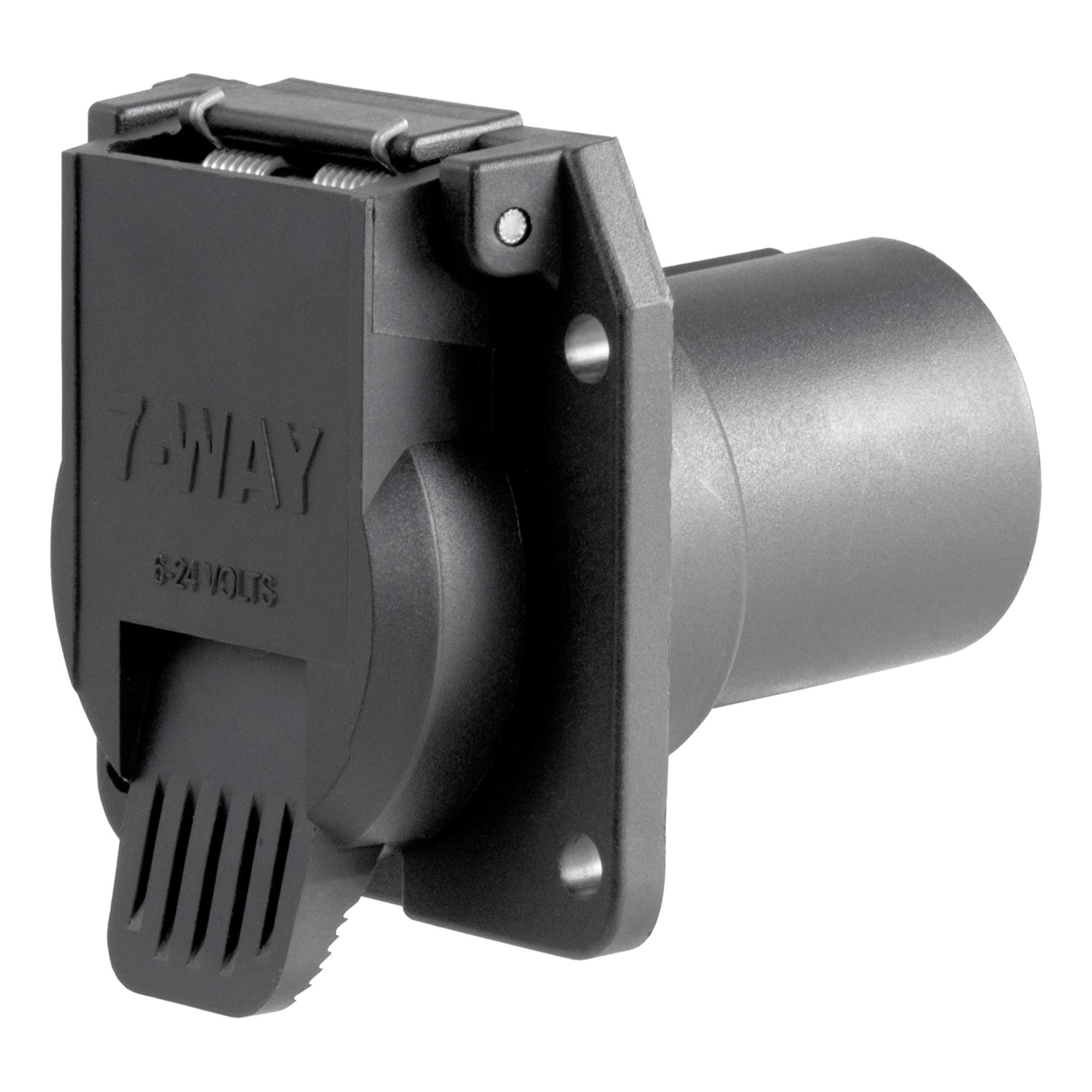 Representative Photo, actual item may vary


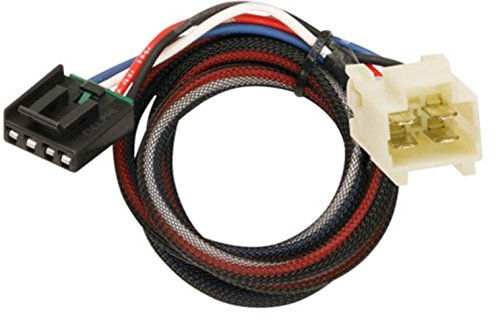 Representative Photo, actual item may vary
 Representative Photo, actual item may vary


Cequent Performance 18099-025 Tow Ready In-Line Fuse Holder Wire Taps 25 Pack

 Representative Photo, actual item may vary
 Representative Photo, actual item may vary



 Representative Photo, actual item may vary
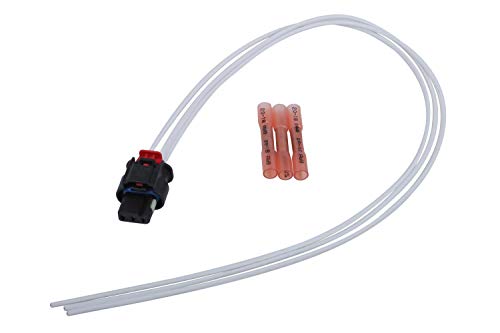 Representative Photo, actual item may vary


What Is a Trailer Wiring Harness Connector?
A trailer wiring harness connector is what links your vehicle's electrical system to the trailer, allowing other drivers to see your lights even with the trailer blocking the rear of your vehicle. This is not only a safety measure — it's also the law, and requirements vary from state to state. Whether you're towing a small utility trailer, a boat, a fifth-wheel camper, or a heavy commercial load, the right connector ensures that brake lights, turn signals, running lights, and auxiliary systems communicate properly between your tow vehicle and trailer.
Understanding Connector Pin Configurations
The most common trailer connectors have four, five, six, or seven pins, and the more pins in the connector, the greater the number of functions it can handle. Here's a quick breakdown:
- 4-Pin Flat: The 4-way flat connector is the simplest standard, found on most small utility, boat, and ATV trailers, carrying power for the two turn signals, brake lights, taillights, and ground.
- 5-Pin: Adds one additional wire, typically for reverse lights or an auxiliary power feed, beyond the standard 4-pin functions.
- 6-Pin: Adds a dedicated circuit for electric brakes and sometimes a charge line for a trailer's battery, common on mid-size trailers with brakes.
- 7-Pin: The most comprehensive type, widely used in RVs and commercial trailers, providing a full range of functions including lighting, electric brakes, and auxiliary power.
The shapes of the plugs and sockets also vary, with the most common types being flat, round, and RV blade. A trailer wiring harness adapter can convert between different pin connectors — for example, if the towing vehicle has a 7-pin connector and the trailer only has a 4-pin connector — greatly increasing the flexibility and versatility of the wiring setup.
Choosing the Right Trailer Wiring Harness Connector
If you've ever plugged a trailer into a truck and had a turn signal not work, there's a good chance the connector type — not the trailer itself — was the problem. Always match your connector type to the number of functions your trailer requires, and inspect pins regularly: a quick visual check of the pins for corrosion or bent contacts solves more problems than people expect. Prolonged use or exposure to harsh environments may cause wear and tear on the trailer wiring harness, leading to poor contact, so it should be inspected regularly and replaced if necessary.
Custom fit harnesses offer another advantage: a custom wiring harness has multiple plugs that are used to 'T' into the vehicle's taillight assembly, drawing power directly from the taillights or from a direct battery connection and providing a standard trailer light wiring connector. While custom wiring harnesses usually require two or more connection points, splicing and soldering are still not needed.
Top Brands for Trailer Wiring Harness Connectors
When shopping for trailer wiring harness connectors, choosing a reputable brand ensures safety, durability, and a proper fit. Pollak is a leading name in towing electrical components, offering connectors across all major configurations. Pollak trailer wiring connectors are available for the most popular wiring connection types: 4-Way Flat, 4-Pole Round, 5-Way Flat, 6-Pole Round, and 7-Way Blade. Pollak's 7-pole connectors are crafted from high-impact nylon, offering impressive resistance against corrosion and moisture.
ACDelco brings OEM-grade engineering to trailer connectivity, making their connectors a trusted choice for drivers who want factory-level reliability in a replacement or upgrade part. Hopkins is well known in the towing accessories space for vehicle-specific fit harnesses and adapter solutions that simplify the installation process for a wide range of trucks, SUVs, and crossovers. Standard Motor Products rounds out the selection with their deep expertise in OE-quality electrical components, providing connectors built to precise fit and performance standards.