


V-Belts
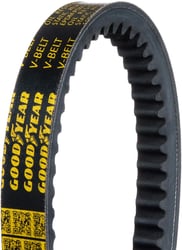
Goodyear Belts & Hoses 28616 V-Belt 28/32" x 61.6" Industrial Power Transmission Belt



 Representative Photo, actual item may vary








 Representative Photo, actual item may vary

 Representative Photo, actual item may vary
 Representative Photo, actual item may vary
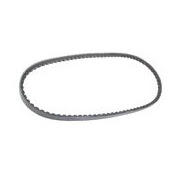 Representative Photo, actual item may vary

 Representative Photo, actual item may vary
 Representative Photo, actual item may vary

 Representative Photo, actual item may vary
 Representative Photo, actual item may vary
 Representative Photo, actual item may vary
 Representative Photo, actual item may vary


 Representative Photo, actual item may vary
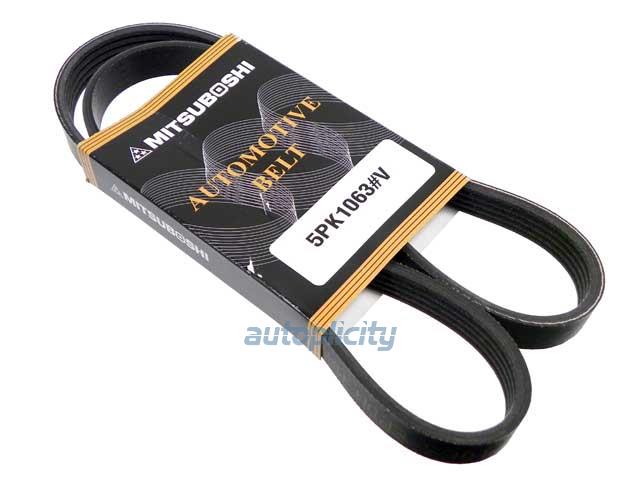 Representative Photo, actual item may vary


 Representative Photo, actual item may vary

 Representative Photo, actual item may vary
Briggs & Stratton 7023282YP V-Belt for Lawn Mowers and Outdoor Power Equipment V-Belts
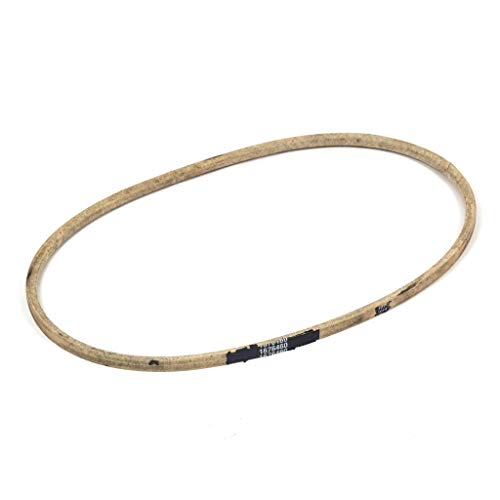 Representative Photo, actual item may vary
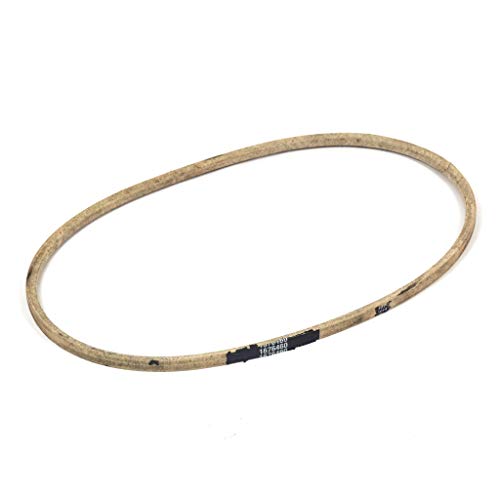 Representative Photo, actual item may vary
 Representative Photo, actual item may vary


 Representative Photo, actual item may vary
 Representative Photo, actual item may vary

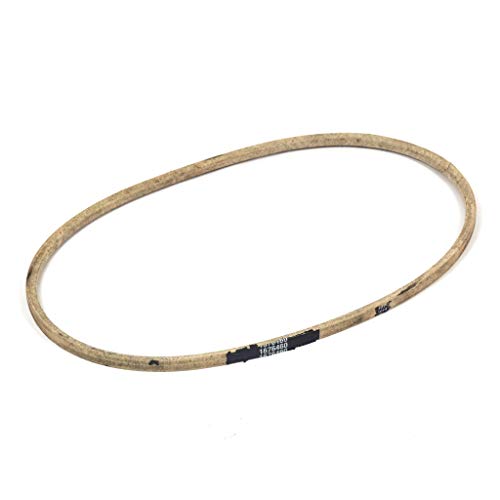 Representative Photo, actual item may vary

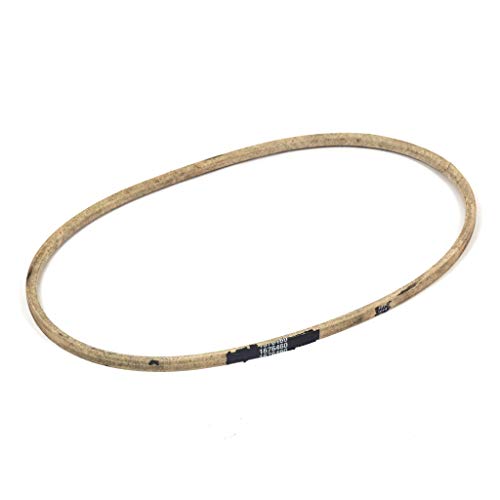 Representative Photo, actual item may vary

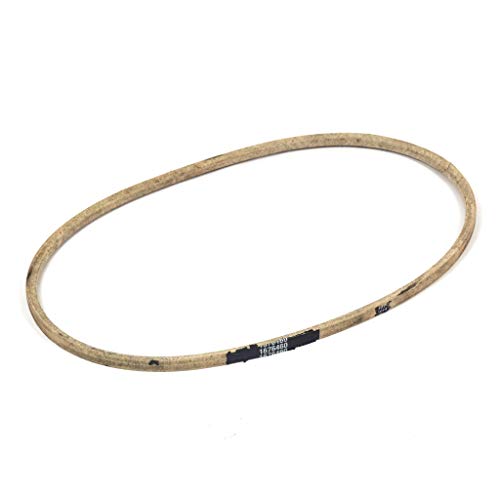 Representative Photo, actual item may vary
 Representative Photo, actual item may vary
Briggs & Stratton 771388 V-Belt for Lawn Mowers and Outdoor Power Equipment V-Belts


 Representative Photo, actual item may vary

What Are V-Belts and Why Do They Matter?
V-belts are among the most fundamental power transmission components found under the hood of a vehicle and inside countless machines. Named for their distinctive trapezoidal cross-section, these belts wedge snugly into matching grooves on pulleys, creating the frictional grip needed to transfer rotational force efficiently from one shaft to another. That wedging geometry is the key to their effectiveness — it allows a V-belt to transmit more force than a flat belt while keeping drive systems compact.
In automotive applications, V-belts have historically been the workhorses of the accessory drive system. They transfer power from the engine's crankshaft to critical components such as the alternator, power steering pump, air conditioning compressor, and water pump. While many modern vehicles have transitioned to a single serpentine belt for accessory drives, countless older vehicles, industrial machines, agricultural equipment, and HVAC systems continue to rely on dedicated V-belts every day.
Types of V-Belts: Choosing the Right One
Not all V-belts are created equal. Understanding the key categories helps ensure the right fit and performance for your application:
- Classical V-Belts — The most common type, available in cross-section designations A, B, C, D, E, and Z. These are versatile, highly tolerant of imperfect operating conditions, and can handle load ranges from under 1 HP to 500 HP.
- Narrow/Wedge V-Belts — Feature a deeper profile relative to their width, enhancing the wedging effect and load-carrying capacity. Narrow belts are ideal for high-speed, high-power applications and more compact drive layouts.
- Cogged (Notched) V-Belts — Have molded cogs on the inner surface, which increase flexibility, improve heat dissipation, and allow the belt to run efficiently on smaller-diameter pulleys. A popular choice for modern engines with tighter engine bays.
- Banded V-Belts — Two or more V-belts joined by a common top band, functioning as a single unit. This design eliminates belt whip and turnover in heavy-duty or high-vibration applications.
- Fractional Horsepower (FHP) V-Belts — Designed for light-duty applications where the power requirement is typically one horsepower or less, such as household appliances and small equipment.
Key Considerations When Shopping for V-Belts
Selecting the right V-belt goes beyond simply matching the belt length. You'll also need to consider the cross-section type, the operating environment (temperature extremes, oil or ozone exposure), pulley diameter, and the power demands of the drive system. Using the wrong belt type can lead to reduced efficiency, premature wear, or even component damage. When replacing a belt, note the part number printed on the old belt or consult your vehicle or equipment manual to identify the correct specification.
Top V-Belt Brands
Our catalog features over 440 V-belt products from the industry's most trusted names. Gates is the undisputed leader in this category — the company's founder literally invented the modern V-belt in 1917, and Gates has since grown into the world's largest V-belt manufacturer. Their automotive V-belts are engineered for wear, corrosion, and heat resistance, delivering OE-quality fit and maintenance-free operation.
Dayco offers a comprehensive lineup spanning classical, raw edge, banded, and wedge V-belt designs, engineered for strength and reliability across light- and heavy-duty applications. ContiTech, the industrial products division of Continental AG, brings European precision engineering to the V-belt market and carries a strong reputation especially in European vehicle applications. Browning is a widely respected name in industrial power transmission, offering a broad range of V-belts suited to demanding machinery and equipment. Rounding out the top brands, Pix Belts delivers reliable, high-value V-belts with wide cross-reference coverage, making them a practical choice for a broad range of replacement applications.