


Japanese
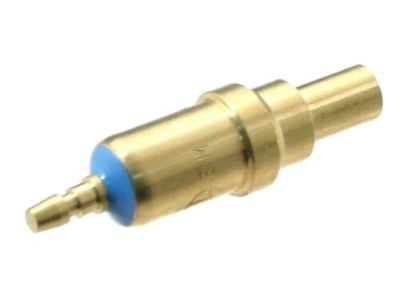 Representative Photo, actual item may vary


 Representative Photo, actual item may vary
Why Japanese Auto Parts Set the Global Standard
When it comes to reliability, precision, and longevity, Japanese-engineered auto parts have earned a reputation that spans decades and continents. From the post-war industrial renaissance of the 1960s onward, Japan's automotive manufacturing sector transformed itself into one of the most respected in the world, producing components that consistently meet or exceed OEM specifications across a vast range of vehicle makes and models.
Major Japanese automotive suppliers such as Denso, Aisin, NSK, and Bridgestone are among the most recognized names globally, supplying parts not only to Japanese vehicle brands like Toyota, Honda, Nissan, Mazda, Subaru, and Mitsubishi, but also to international automakers who depend on the rigorous quality standards Japan's parts industry is known for. Whether you're sourcing ignition components, drivetrain parts, suspension hardware, or filtration systems, Japanese-origin parts are a benchmark choice for professional technicians and DIY enthusiasts alike.
Engineering Excellence Behind Every Component
What distinguishes Japanese auto parts from the competition is a deeply ingrained culture of kaizen — the philosophy of continuous improvement. This principle permeates design, manufacturing, and quality control at every level. Parts are engineered to tight tolerances, rigorously tested, and manufactured using premium-grade materials designed to withstand the thermal, mechanical, and chemical stresses of real-world driving conditions.
Japan's automotive parts ecosystem is also notable for its interconnectedness. Tier-1 suppliers work in close collaboration with vehicle manufacturers, meaning that many aftermarket Japanese components are functionally identical to the original equipment installed at the factory. This gives buyers confidence that a replacement part will restore — or even enhance — the original performance of their vehicle.
A Wide Range of Categories
Japanese auto parts cover virtually every system in a modern vehicle. Commonly sought categories include:
- Engine components – timing kits, gaskets, valve parts, and oil filters engineered for precise fit and extended service intervals
- Ignition systems – spark plugs and ignition coils from brands like NGK and Denso, widely regarded as the gold standard for Japanese and many domestic vehicles
- Drivetrain & transmission parts – clutch kits, bearings, and CV axle assemblies built for smooth power transfer and long service life
- Suspension & steering – struts, control arms, and bushings engineered for precise handling and ride comfort
- Braking systems – rotors, pads, and calipers meeting stringent stopping-power requirements
- Cooling & filtration – radiators, thermostats, and air/oil/fuel filters designed to keep engines running clean and at optimal temperature
Choosing the Right Japanese Auto Part
When shopping for Japanese auto parts, it's important to verify OEM part numbers and cross-reference fitment data for your specific year, make, and model. Look for parts that carry recognized quality certifications and are sourced from established manufacturers or their authorized distributors. Whether you're performing routine maintenance or a more involved repair, the right Japanese-made component can make a meaningful difference in both the outcome of the job and the long-term health of your vehicle.