


Manual Transmission Cluster Gear



Crown Automotive A739 Cluster Gear for 1941-1945 Jeep MB T84 Transmission


Yukon Gear & Axle ZMNV22608 Manual Transmission Cluster Gear

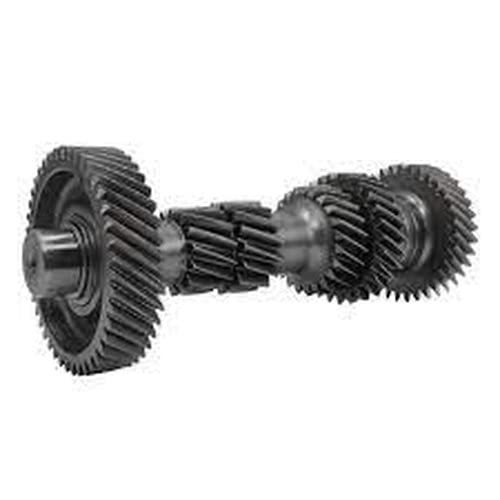 Representative Photo, actual item may vary
USA Standard Gear ZMZF1317-303-011 ZF Manual Transmission Cluster Gear 1st, 2nd & Reverse

USA Standard Gear ZMT561386-077-008 T56 Cluster Gear 2.66 First Gear Ratio


USA Standard Gear ZMZFS6-8 ZF S6-650 6-Speed Manual Transmission Cluster Gear

USA Standard Gear ZMNV26166 Manual Transmission NV5600 Cluster Gear for 1998-2005 Dodge Ram

USA Standard Gear ZM535-8A NP535 Manual Transmission Cluster Shaft with 5th Gear and Keyway

USA Standard Gear ZM833WT294-8C A833 Manual Transmission Cluster Gear 18-Spline 1966-1970 Chrysler


USA Standard Gear ZMNIS-8 Manual Transmission Gear Cluster for 1986+ Nissan Hardbody 4-Cyl

USA Standard Gear ZMMUNWT297-8D Muncie M21 Countershaft Cluster Gear 2.20 Ratio

USA Standard Gear ZMT51352-077-068 T5 Manual Transmission Gear Cluster for Ford V8

USA Standard Gear ZMT51352-077-060 T5 Manual Transmission Gear Cluster for Camaro V8

USA Standard Gear ZMTOYW59-8 Manual Transmission Cluster Shaft for Toyota W59
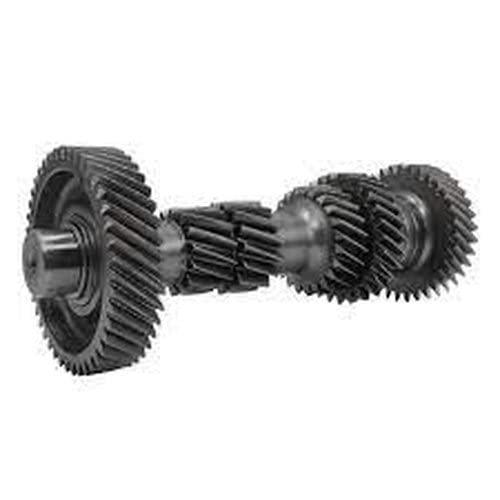 Representative Photo, actual item may vary
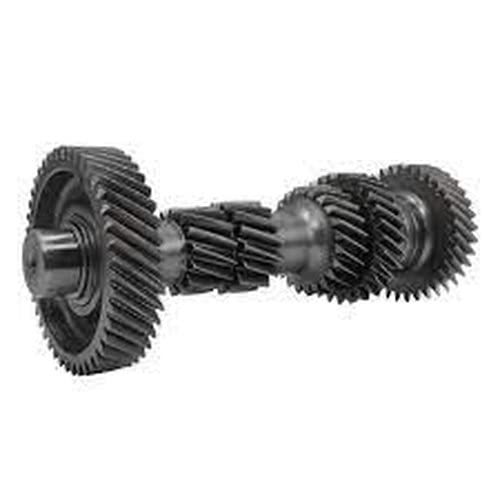 Representative Photo, actual item may vary
What Is a Manual Transmission Cluster Gear?
The manual transmission cluster gear — also known as the countershaft gear or counter gear — is one of the most fundamental components inside a manual gearbox. This tightly grouped assembly of gears shares a common shaft and meshes continuously with the input shaft gear. As engine power enters the transmission, the cluster gear rotates in sync, transferring torque to the output shaft at the gear ratio selected by the driver. Without a properly functioning cluster gear, smooth, accurate power delivery through every gear range simply isn't possible.
Why the Cluster Gear Matters
The cluster gear is in near-constant motion any time the engine is running and the transmission is in gear. This means it endures significant load, heat, and friction over the life of the vehicle. Over time — especially in high-mileage vehicles, trucks used for towing, or performance applications — the gear teeth can wear, chip, or develop excessive play. Symptoms of a failing cluster gear include grinding or whining noises during acceleration, difficulty engaging certain gear positions, and vibration felt through the shifter or floorboard.
Replacing a worn cluster gear restores the precise gear mesh tolerances the transmission was designed around, which directly translates to smoother shifts, reduced drivetrain noise, and long-term protection of surrounding transmission components like the input shaft, output shaft, and synchronizers.
What to Consider When Shopping for a Cluster Gear
Because the cluster gear must mesh precisely with the input shaft gear and the output shaft gears, fitment accuracy is critical. When selecting a replacement, always verify compatibility with your specific vehicle year, make, model, and transmission code or serial number. Key factors to evaluate include:
- Material and heat treatment: Quality cluster gears are manufactured from high-strength steel and undergo heat-treating or case-hardening processes to resist wear under sustained load.
- OEM-equivalent specifications: The best replacement parts mirror original equipment tooth count, pitch, and geometry for a drop-in fit.
- Application specificity: Cluster gears vary considerably between transmission families (e.g., NV3500, T5, Muncie, Saginaw), so confirming the exact transmission model is essential before ordering.
- Complete kits vs. individual gears: Some rebuilders prefer purchasing a complete gear set to ensure all meshing components wear evenly together.
Top Brands for Manual Transmission Cluster Gears
When it comes to sourcing a reliable cluster gear, brand reputation and manufacturing standards matter enormously. USA Standard Gear is a well-respected name in the drivetrain parts industry, known for producing transmission and differential components that meet or exceed OEM specifications. Their manual transmission parts are engineered to exacting tolerances, making them a trusted choice for professional rebuilders and do-it-yourself mechanics alike who demand a precise, durable fit.
Maintaining Your Manual Transmission
A cluster gear replacement is often performed as part of a broader transmission rebuild. While the gearbox is open, it is wise to inspect related components — synchronizer rings, bearings, seals, and the transmission case itself — for wear. Using quality fluid and ensuring proper torque specs during reassembly will extend the life of the new cluster gear significantly. With the right part and careful installation, a rebuilt manual transmission can deliver thousands of additional miles of reliable, engaging driving.