


Starter Housing


 Representative Photo, actual item may vary
Generac 10000026957 Recoil with Blower Housing Assembly OEM Replacement

 Representative Photo, actual item may vary

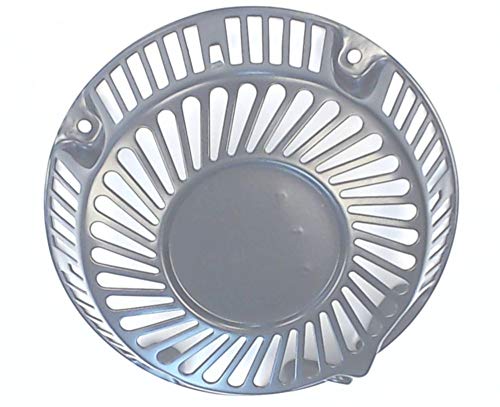 Representative Photo, actual item may vary
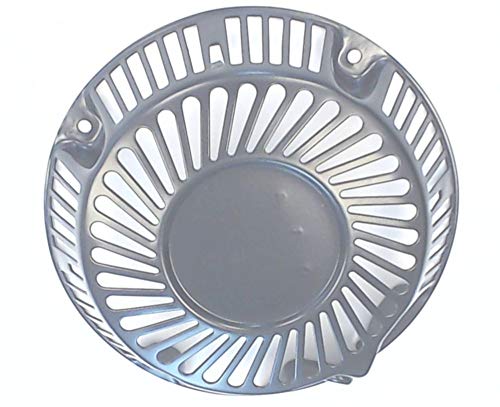 Representative Photo, actual item may vary
Briggs & Stratton 84007507 Housing Rewind Starter OEM Recoil Pull Start Assembly
What Is a Starter Housing?
The starter housing is a foundational structural component of any starter motor assembly. It is the outermost enclosure of the starter motor, responsible for holding every internal component together and shielding them from the harsh conditions found in engine bays and outdoor power equipment environments. Whether you're working on a riding lawn mower, a portable generator, or a walk-behind trimmer, the starter housing is the part that gives the entire starting system its shape, rigidity, and protection.
Inside a typical starter motor, you'll find field coils, an armature, carbon brushes, a commutator, and a drive pinion — all of which depend on the housing to keep them properly aligned and secured. The housing also serves as part of the magnetic circuit, holding coils and pole shoes in their correct positions so the motor can efficiently convert electrical energy into the mechanical rotation needed to crank an engine. Without a sound housing, even new internal components can underperform or fail prematurely.
Why the Starter Housing Matters
A damaged or worn starter housing can cause a cascade of problems throughout the starting system. Because the housing acts as the primary structural anchor for the armature, brushes, and commutator, any cracks, warping, or corrosion in the casing can allow dust, moisture, and debris to reach the sensitive internal components. This contamination leads to accelerated wear, poor electrical contact, and ultimately a no-start condition. Replacing a compromised housing before these secondary failures occur is a far more cost-effective repair strategy than replacing the entire starter assembly.
For small engine applications — lawn mowers, snow blowers, pressure washers, and generators — starter housings take on additional significance because these machines are regularly exposed to the elements. Mud, grass clippings, rain, and temperature extremes all put constant stress on the housing's materials and mounting points. Choosing a properly matched, OEM-specification housing ensures the correct fit, mounting geometry, and material durability for your specific engine model.
Key Considerations When Shopping for a Starter Housing
- Engine model compatibility: Starter housings are highly application-specific. Always verify the part number against your engine's model and type number before ordering.
- OEM vs. aftermarket: Genuine OEM housings are manufactured to the exact tolerances of the original part, ensuring a precise fit and reliable longevity.
- Material quality: Look for housings constructed from durable metals that resist corrosion and can withstand repeated starting cycles and vibration.
- Rewind vs. electric start: Some housings are designed for recoil (pull-cord) starter systems, while others house electric starter motors. Confirm which type your equipment uses.
Top Brands in Starter Housing
When it comes to starter housings for small engines and outdoor power equipment, Briggs & Stratton stands out as the leading OEM source. As one of the world's largest producers of gasoline engines for outdoor power equipment, Briggs & Stratton manufactures genuine replacement starter housings — including rewind starter housings and electric starter housings — engineered to meet the exact specifications of their vast engine lineup. Choosing a genuine Briggs & Stratton part guarantees correct fitment and preserves the performance integrity of your equipment.