


Ground Cable






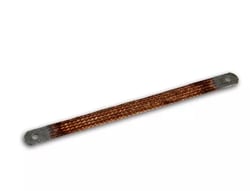

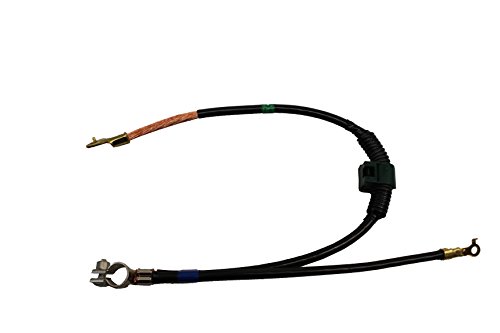 Representative Photo, actual item may vary

 Representative Photo, actual item may vary


 Representative Photo, actual item may vary

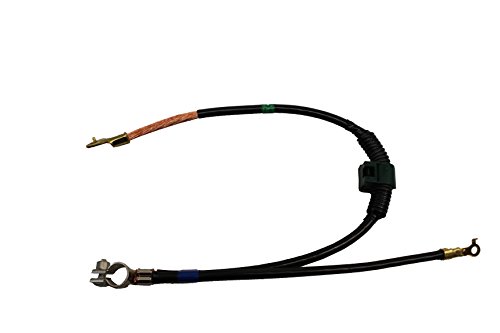 Representative Photo, actual item may vary
 Representative Photo, actual item may vary


OE Pro 99961192020 Transmission Ground Strap for Porsche Manual Transmission


 Representative Photo, actual item may vary


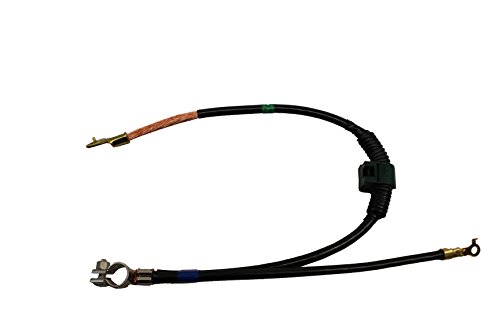 Representative Photo, actual item may vary
What Is a Ground Cable and Why Does It Matter?
In an automotive electrical system, every circuit requires a complete loop — power must travel from the battery's positive terminal to the electrical component and then return to the battery's negative terminal. The ground cable (also called an earth wire or ground strap) is responsible for providing a direct path for this return current. Without it, no circuit can complete, and no component can function.
The ground serves as the return path for electrical current flowing from the component back to the battery or power source. Without a proper ground connection, electrical circuits cannot be completed, leading to malfunctioning components, erratic behavior, and potential safety hazards. Grounds are essential for powering everything from lights, sensors, and ignition systems to electronic control units (ECUs) and stereos.
Types of Ground Cables in Your Vehicle
The most important ground wire is the thick cable connecting the negative battery terminal to the chassis — a critical connection that any DIY mechanic should periodically inspect to ensure both ends have tight and clean connections. The engine ground wire is the second-most-important type, usually taking the form of a thick cable or a flat copper braid, and is commonly located near the bottom of the engine.
It's important to inspect and test "the big 3" wires under the hood — the starter/alternator positive cable, the negative cable from the battery to ground, and the ground between the engine block and frame/body. Using an appropriately sized wire for ground connections is critical to handle the current flow without overheating or voltage drop — when in doubt, bigger is better.
Symptoms of a Failing Ground Cable
Many drivers assume a failing battery or alternator is to blame when, in reality, a faulty or corroded ground wire is the root cause of their electrical problems. Common warning signs include:
- Dim or flickering lights — poor ground connections can cause headlights, taillights, and interior lighting to appear dim, flicker, or fail altogether.
- Erratic behavior or intermittent operation of electrical components such as power windows, door locks, and the radio.
- A failing ground wire can prevent the starter motor from receiving enough current, leading to slow cranking or clicking sounds when turning the key.
- Modern cars rely on numerous sensors that may start malfunctioning or giving inaccurate readings without a solid ground connection.
What to Look for When Replacing a Ground Cable
Ground connections must be clean, free of corrosion, and securely fastened. Use a wire brush or sandpaper to remove any rust or debris from the contact surfaces, and tighten connections snugly to prevent loosening over time. It's good practice to inspect ground wires every 6–12 months, especially if you drive in areas with high humidity or road salt exposure.
For BMW owners in particular, an OEM replacement ground cable is often the smartest choice. Genuine BMW ground cables are engineered to the exact specifications of the factory original, ensuring correct fit and long-term reliability across a wide range of models and chassis generations.
Top Brands for Ground Cables
Genuine BMW — Genuine BMW battery ground cables deliver OEM quality and perfect factory fitment, making them especially valuable on classic E-chassis models where the original ground strap often corrodes with age. Genuine Original BMW Parts are subject to the same standards of quality as BMW vehicles — from construction planning to quality assurance — and BMW includes a full 2-year warranty on Genuine Original BMW Parts, regardless of mileage.