


Fuel Injection Fuel Rail Crossover Tube

Grams Performance G50-04-1114 Crossover Fuel Lines for G50-04-10XX Fuel Rails

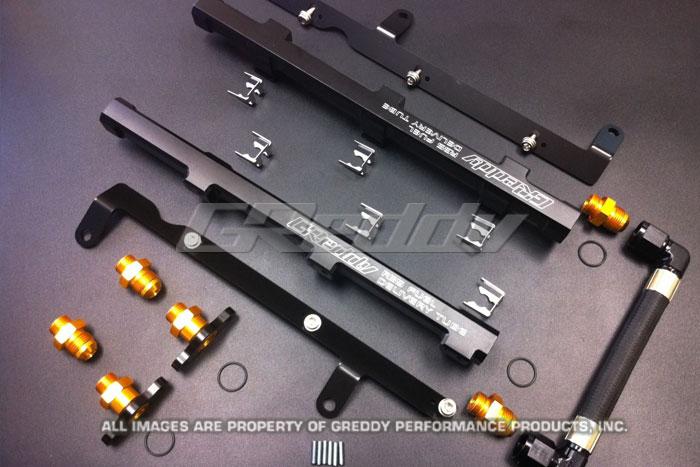 Representative Photo, actual item may vary



On a V-style engine, fuel has to reach two separate banks of cylinders at the same pressure. The fuel injection fuel rail crossover tube is the small but critical link that makes this possible. It connects the fuel rail on one side of the engine to the rail on the other, so both banks are fed from a shared supply and every injector sees consistent pressure.
What a Fuel Rail Crossover Tube Does
Most V6 and V8 engines use two fuel rail segments, one for each cylinder bank. A crossover tube or hose joins the two segments, usually near the rear of the engine where it arches across the intake manifold. Fuel enters one rail, travels through the crossover, and fills the opposite rail. Because the injectors are fed from these rails, the crossover plays a direct role in how evenly fuel is metered to each cylinder.
Crossover tubes come in several forms. Some designs use a rigid metal tube with brazed or clipped ends, while others use a hose connected to barbed fittings on each rail. Retaining clips, O-rings and quick-connect ends are common, and the specific design varies by engine family.
Why It Matters for Vehicle Maintenance
The crossover tube operates under constant fuel pressure, engine heat and vibration. Over time, seals can harden, clips can loosen, and tubes can crack or corrode. Because the tube sits above the intake manifold, a leak is also a safety concern, since fuel vapor near hot engine components should never be ignored. Watch for these common symptoms:
- A raw fuel smell around the engine bay, especially after shutdown
- Visible fuel seepage or wet residue near the rail connections
- Rough idle, misfires or hard starting caused by pressure loss
- A fuel pressure or lean-condition fault code
What to Consider When Shopping
Fuel system parts are very application-specific, so confirm fitment carefully before ordering. Consider the following:
- Engine and model year: Crossover tubes differ by engine family, rail design and connector style, so match the part number to your vehicle.
- Connection type: Check whether your engine uses quick-connect fittings, clip-retained ends or hose barbs.
- Seals and hardware: Replace O-rings and retaining clips whenever the tube is removed, since they are cheap compared with a repeat repair.
- Material: Corrosion-resistant metal construction helps the tube stand up to heat and fuel exposure.
Brands in This Category
OE Aftermarket is the brand represented in this category. Its parts are intended as replacements that match the form and fit of original equipment, which makes them a practical option for owners and technicians who want a direct-fit repair without altering the factory fuel rail layout.
Installation Notes
Always relieve fuel system pressure before disconnecting any fuel rail component, work in a well-ventilated area, and keep ignition sources away. After installing a new crossover tube, cycle the ignition a few times to pressurize the system and inspect every connection for leaks before starting the engine. If you are unsure about working on a pressurized fuel system, have the job done by a qualified technician.