


Wheel Housing Side Panel

Sherman 852-29R Right Rear Wheel Housing Outer Panel for 1968-1969 GTO/LeMans/Tempest




Sherman 465-29R Right Hand Outer Wheel Housing Panel 1964-1966 Ford Mustang (Convertible Modify)

Sherman 467-29R Right Hand Wheel Housing Outer Panel for 1969-1970 Mustang

Sherman 708-24L Left Hand Rear Wheelhouse Inner Panel for 1970-72 Chevelle Convertible

Keystone RRP3979 Rear Driver Side Outer Wheel Housing Patch Panel

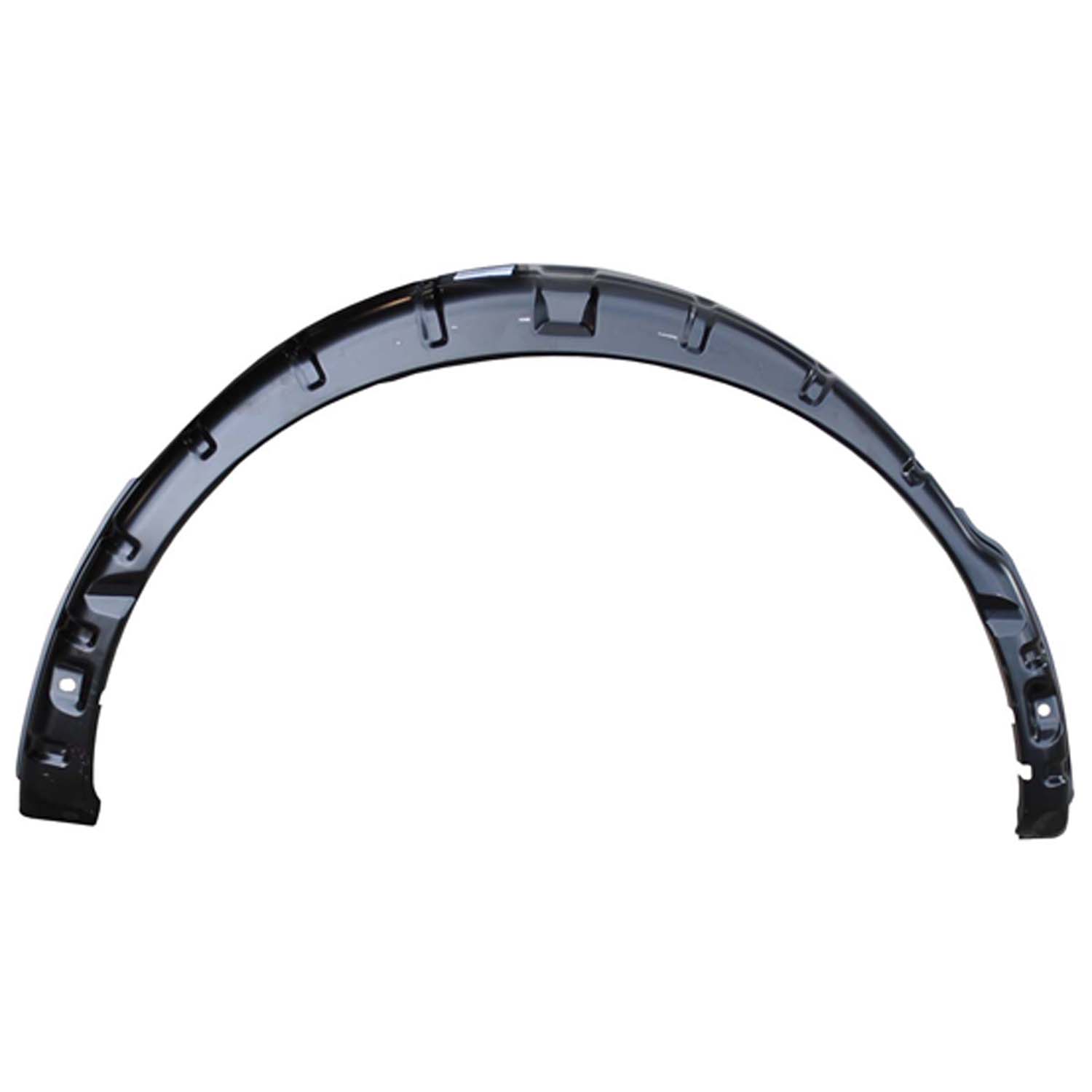 Representative Photo, actual item may vary


What Is a Wheel Housing Side Panel?
The wheel housing side panel — sometimes called the wheelhouse or wheelhouse panel — is one of the most structurally important body components on your vehicle. It is the stamped sheet metal section located above and around each tire, forming the top and sides of the wheel well. On unibody vehicles, it is a load-bearing component that connects to the fender, the rocker panel, the floor pan, and the strut assembly mount. Because of this, a compromised wheelhouse does not just look bad — it can affect suspension geometry and weaken strut mount integrity.
Wheel housing side panels come in two orientations: the outer panel, which faces the tire, and the inner panel, which faces the engine bay at the front or the cargo area at the rear. In pickup trucks, rear wheelhouses appear as the raised humps inside the truck bed. On sedans and hatchbacks, they form the rounded bulges on each side of the trunk floor or behind the back seat.
Why Wheel Housing Side Panels Need Replacement
Because these panels are constantly exposed to water, road salt, gravel, and debris thrown off by the tires, they are among the first structural components to suffer from rust and corrosion. A damaged wheelhouse also creates entry points for moisture that can accelerate rust in surrounding panels, including the rocker panels, quarter panels, and floor pan. Catching and replacing a deteriorated wheel housing side panel early is a smart investment — both to preserve the structural integrity of the body and to protect adjacent components from further damage.
Whether you are performing a full classic car restoration or repairing a daily driver after collision damage, getting the right-fit replacement panel is critical. Poorly fitted panels require excessive prep work, can misalign with adjacent sheet metal, and may cause long-term fitment issues with suspension components.
Top Brands for Wheel Housing Side Panels
Sherman is one of the most recognized names in OEM-quality body panels, and wheel housings are a particular specialty. Sherman is noted as one of a few non-OEM sources for rare, hard-to-find structural sheet metal parts like wheel houses, and backs its panels with a limited lifetime warranty against defects and rust-through perforation.
Goodmark has been a go-to brand for classic car enthusiasts since 1991, offering a wide range of replacement sheet metal panels engineered to OEM dimensions. Most Goodmark panels feature an Electro Deposit Primer (EDP) coating applied to every surface — including hard-to-reach areas — to deliver excellent rust resistance right out of the box.
ACDelco brings the trusted standards of General Motors engineering to its body replacement components, making ACDelco panels a natural choice for owners of GM vehicles who want confidence in OEM-level fit and finish.
Keystone is a well-established supplier in the collision repair industry, known for providing a broad inventory of body replacement parts that meet the needs of professional body shops and independent mechanics alike.
What to Look for When Shopping
- Inner vs. outer panel: Confirm whether you need the inner wheelhouse panel (structural, often welded) or the outer facing panel before ordering.
- Driver vs. passenger side: Wheel housing panels are side-specific — always verify left vs. right fitment.
- Corrosion coating: Look for panels with EDP or e-coat primer applied at the factory for maximum rust protection prior to painting.
- Vehicle-specific fitment: These panels vary widely by year, make, and model. Use your vehicle's full specifications to confirm compatibility.
- Patch panels vs. full panels: For localized rust damage, a patch section may be sufficient; extensive damage often calls for a full replacement panel.