


Clutch Spring
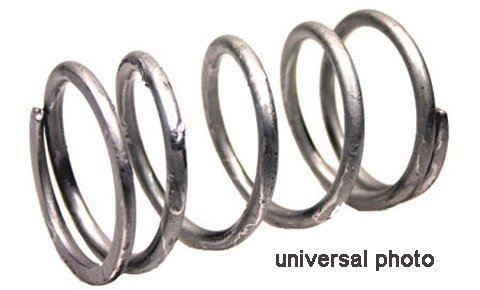 Representative Photo, actual item may vary

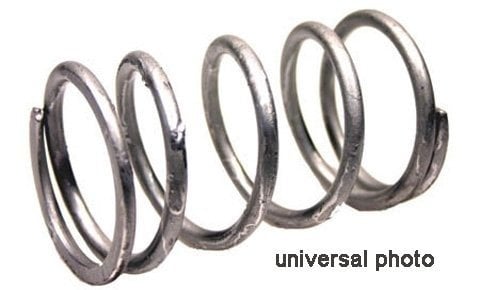 Representative Photo, actual item may vary

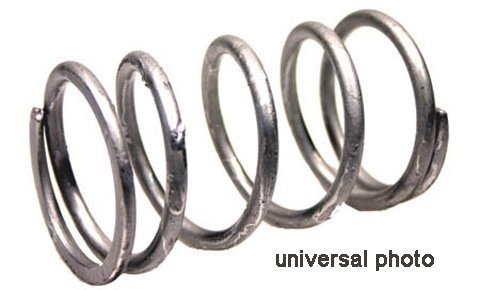 Representative Photo, actual item may vary
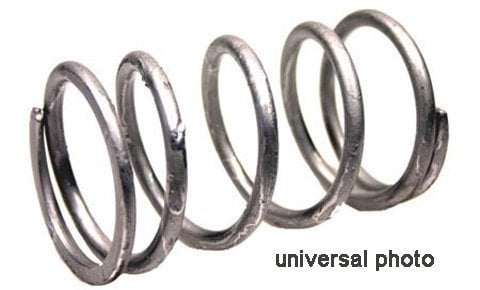 Representative Photo, actual item may vary
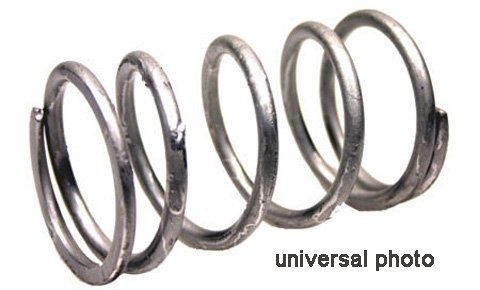 Representative Photo, actual item may vary
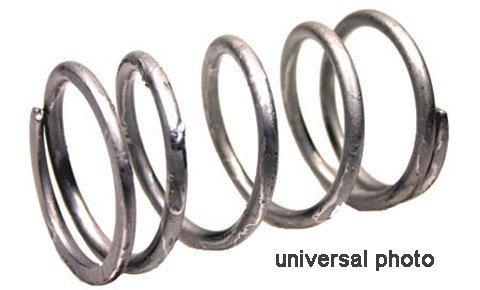 Representative Photo, actual item may vary


 Representative Photo, actual item may vary





 Representative Photo, actual item may vary
Speedmaster PCE731.1001.02 TH400 Direct Drum Heavy Duty Clutch Spring Kit


 Representative Photo, actual item may vary



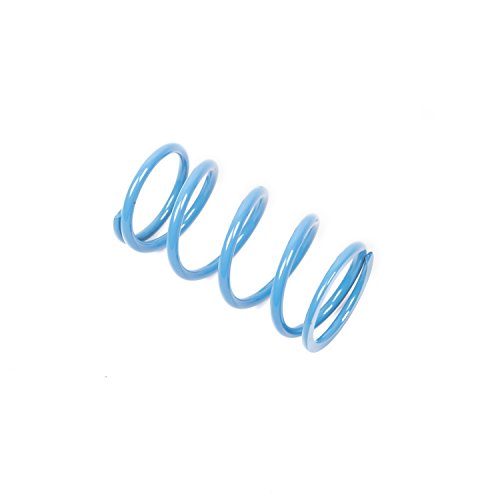 Representative Photo, actual item may vary





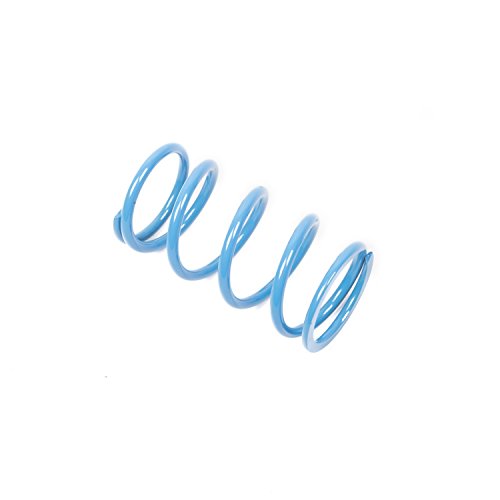 Representative Photo, actual item may vary

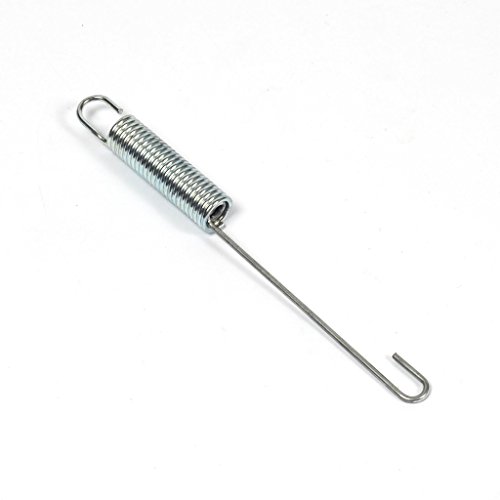 Representative Photo, actual item may vary
 Representative Photo, actual item may vary
 Representative Photo, actual item may vary

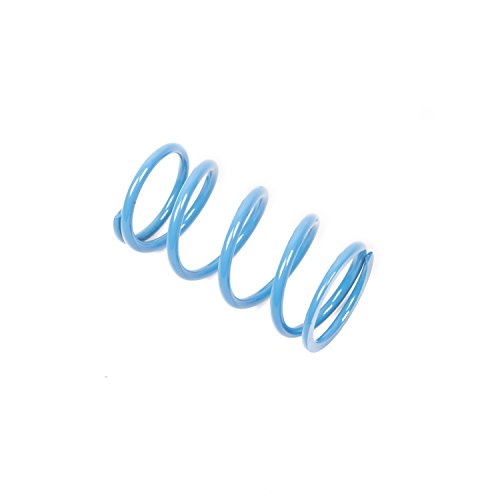 Representative Photo, actual item may vary
 Representative Photo, actual item may vary


 Representative Photo, actual item may vary


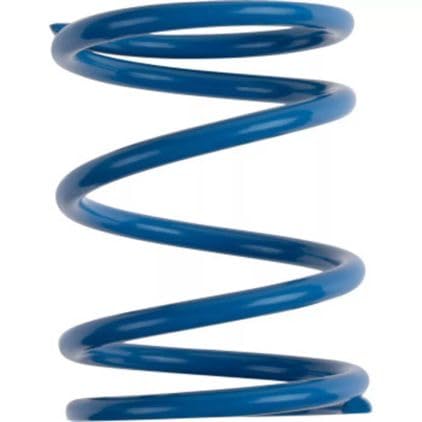 Representative Photo, actual item may vary
Moose Racing MHDS27-5 Clutch Springs High-Performance Chrome Silicone
 Representative Photo, actual item may vary
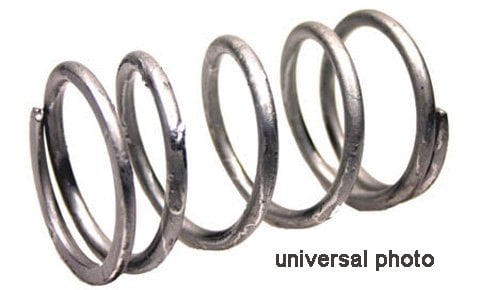 Representative Photo, actual item may vary


What Are Clutch Springs and Why Do They Matter?
Clutch springs are small but critical components tucked inside your clutch assembly, yet they have an outsized influence on how your vehicle feels to drive. In a manual transmission system, clutch springs serve two essential roles: they generate the clamping force that keeps the clutch firmly engaged during power delivery, and they act as torsional vibration dampers that absorb the shock of engagement and disengagement.
When a driver lets out the clutch pedal, the springs mounted on the inner hub of the clutch plate cushion the engagement, working as torsional vibration dampers to absorb fluctuations in the engine's power delivery. This makes power transfer smoother and more linear than it would be without springs. When the pedal is pressed, the springs compress to allow the clutch plates to separate cleanly, enabling crisp gear changes. Without properly functioning springs, drivers can experience gear rattle, harsh engagement, clutch slip under load, and accelerated wear across the entire drivetrain.
In motorcycle wet clutches — where a stack of alternating friction plates and steel plates is held together by a set of coil springs or a diaphragm spring — the springs are equally vital. They maintain the clamping load between plates to prevent slippage under high-torque acceleration. Over time, repeated cycles of heat and compression cause springs to lose tension, which is why replacing clutch springs as a complete set during any clutch service is considered best practice.
Types of Clutch Springs
- Coil Springs: Spiral-wound cylindrical springs used in many motorcycle and ATV wet clutch designs. They are typically sold in sets of four to eight pieces matched to the specific engine.
- Diaphragm Springs: A circular, dish-shaped spring commonly found in modern automotive dry clutch pressure plates and many sport bikes. They provide a progressive feel and are compact by design.
What to Consider When Shopping for Clutch Springs
Choosing the right clutch spring means thinking about your application and riding or driving style. Spring rate matters: a stiffer spring increases clamping force and reduces slip, which is ideal for performance builds or vehicles running higher-than-stock power. However, a spring that is too stiff can make the clutch lever noticeably heavier. Always replace springs as a complete engine set — mixing old and new springs creates uneven clamping load. If your vehicle has been slipping before replacement, upgrading to heavier-duty springs at the same time as new friction plates is a worthwhile investment that prevents premature wear on your new components.
Top Brands for Clutch Springs
When it comes to clutch springs, EBC Brakes stands out as the leading name in the category. Known worldwide for friction products, EBC's CSK Series heavy-duty clutch springs are engineered to deliver 10–15% more clamping force than standard OEM springs, helping to reduce slippage and improve engagement consistency without dramatically increasing lever effort. For sportbike diaphragm spring applications, EBC manufactures upgrade replacements from precision-tempered, specially rolled high-carbon steel — with each spring load individually tested by hand. Their range covers motorcycles, ATVs, and motocross machines across virtually every major brand.