


Clutch Slave Cylinder
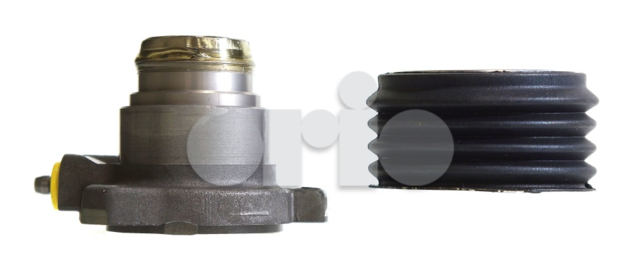 Representative Photo, actual item may vary

 Representative Photo, actual item may vary
OE Aftermarket 306A0JA60D Concentric Slave Cylinder Release Bearing Assembly



 Representative Photo, actual item may vary



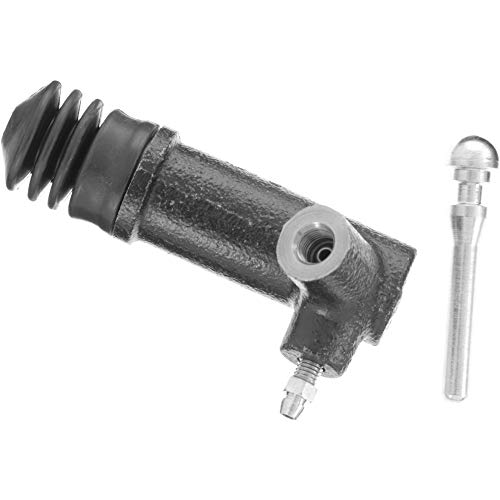 Representative Photo, actual item may vary
 Representative Photo, actual item may vary

 Representative Photo, actual item may vary
 Representative Photo, actual item may vary
 Representative Photo, actual item may vary
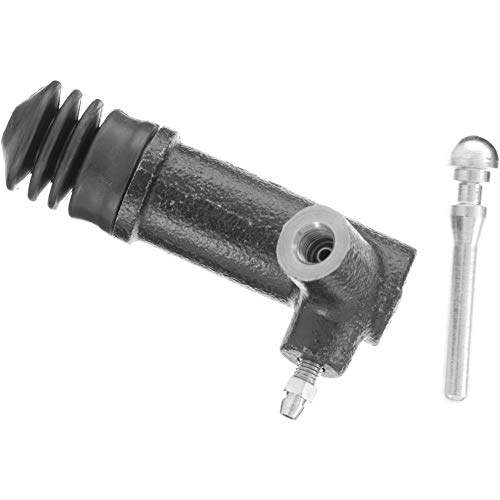 Representative Photo, actual item may vary
 Representative Photo, actual item may vary




Brute Power 900140 Clutch Slave Cylinder Cast Iron External Flange Mount


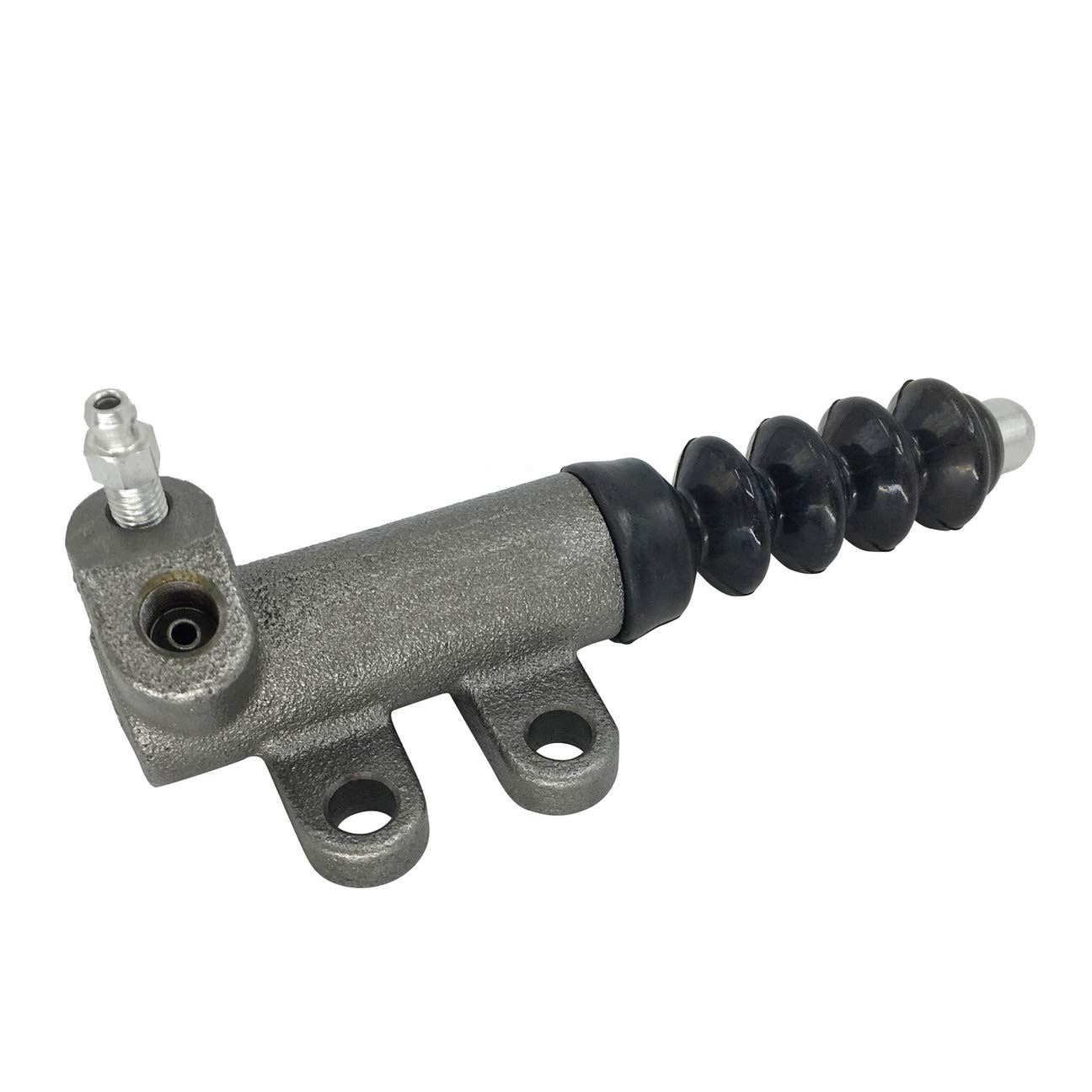 Representative Photo, actual item may vary


 Representative Photo, actual item may vary
 Representative Photo, actual item may vary

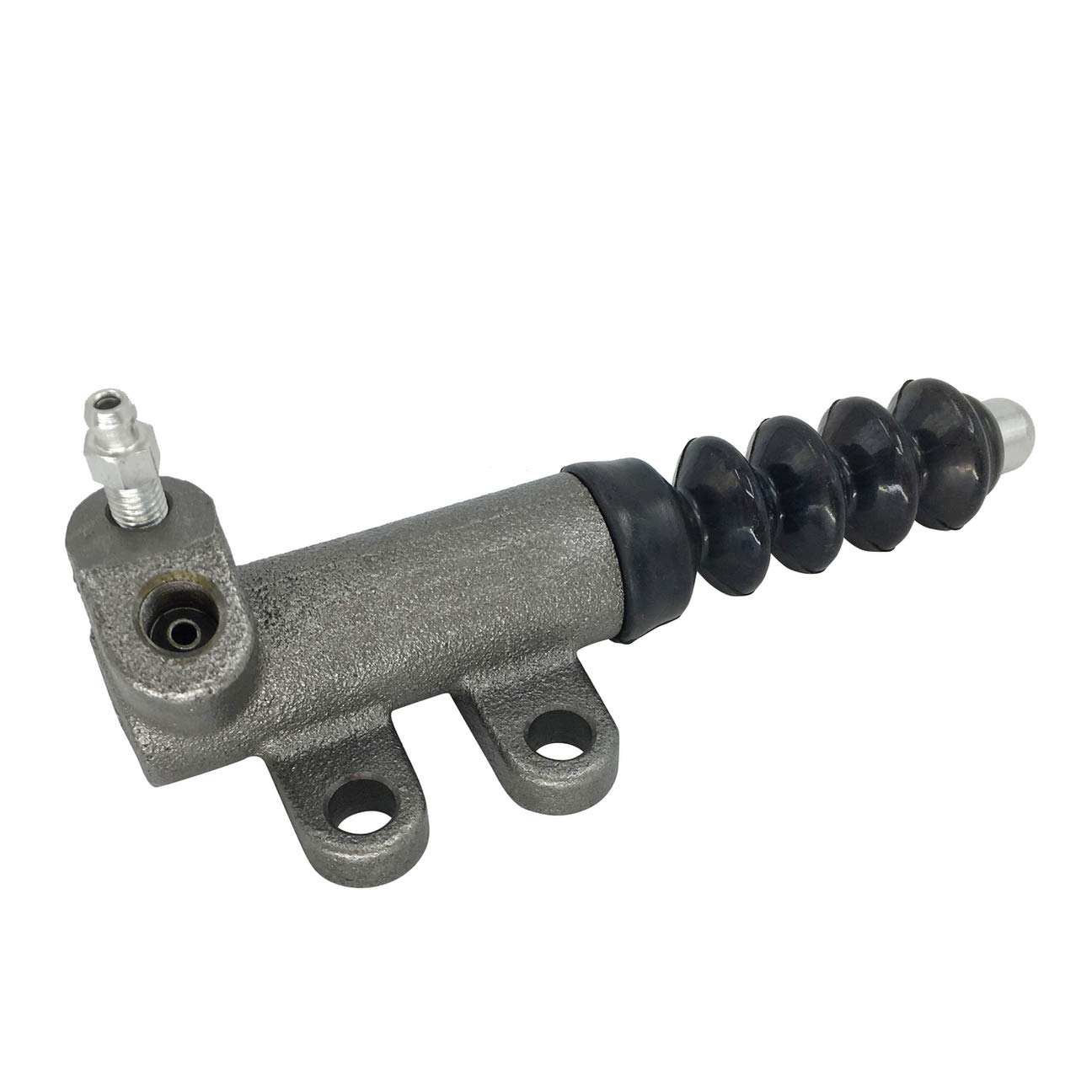 Representative Photo, actual item may vary
 Representative Photo, actual item may vary




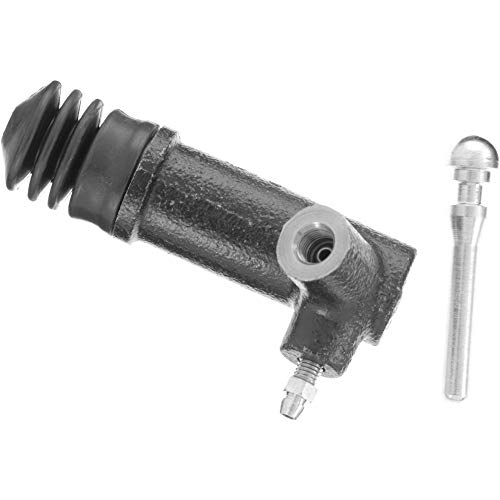 Representative Photo, actual item may vary
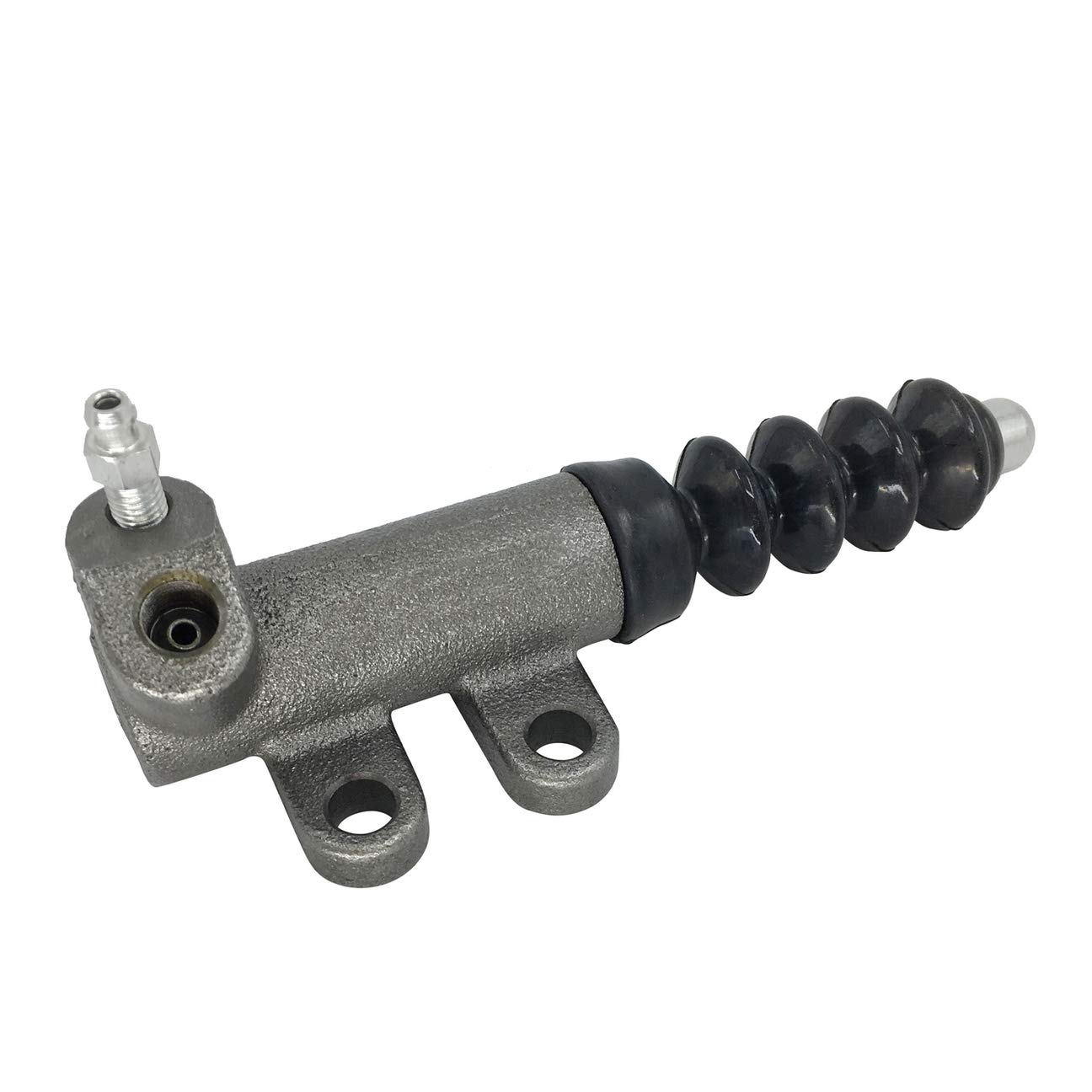 Representative Photo, actual item may vary


What Is a Clutch Slave Cylinder?
The clutch slave cylinder is one of the most critical — and often overlooked — components in any manual transmission vehicle. Its core job is deceptively simple: convert hydraulic pressure into mechanical movement to disengage the clutch. When you press the clutch pedal, the master cylinder builds pressure, which travels through the hydraulic line and causes the slave cylinder's piston to extend, pushing the release fork or bearing and separating the clutch disc from the flywheel. This brief disconnection is what allows you to shift gears cleanly, without grinding the synchronizers or stressing the gearbox.
There are two main designs in modern vehicles. The external slave cylinder mounts outside the transmission bell housing and drives the release fork via a push rod — it is generally easier to access and replace. The concentric slave cylinder (CSC), by contrast, is mounted directly on the transmission input shaft inside the bell housing, combining the slave cylinder and release bearing into a single integrated unit. While the CSC is more compact and increasingly common in newer vehicles, servicing it typically requires transmission removal.
Why It Matters
Despite being a small hydraulic component, the slave cylinder has an outsized influence on drivability, pedal feel, and the long-term health of the entire clutch system. A worn or leaking slave cylinder can cause a spongy or unresponsive clutch pedal, difficulty engaging gears, inconsistent clutch engagement, or — in severe cases — complete clutch failure. Because the slave cylinder works as a pair with the master cylinder, many experienced technicians recommend inspecting or replacing both components together during any clutch service to prevent a cascading failure.
Common causes of slave cylinder failure include degraded rubber seals, hydraulic fluid contamination, corrosion inside the bore, and simply the cumulative wear of thousands of clutch engagements. When symptoms appear — spongy pedal, fluid leaks near the bell housing, or gears that grind when shifting — prompt replacement protects the clutch disc, pressure plate, and transmission synchronizers from secondary damage.
Top Clutch Slave Cylinder Brands
LuK is one of the most respected names in hydraulic clutch actuation technology. Operating under the Schaeffler Group umbrella, LuK has been instrumental in the evolution from mechanical to fully hydraulic clutch release systems. Their slave cylinders meet or exceed OE specifications and are engineered for application-specific fitment across a wide range of cars, trucks, and SUVs. Select LuK units even feature an integrated travel sensor to support modern driver-assist functions like hill-start assist and start-stop systems.
Sachs brings deep OE heritage to its clutch slave cylinder lineup. A subsidiary of ZF Friedrichshafen AG, Sachs is a longtime supplier to global automakers and applies engineering insights drawn from motorsport — including Formula 1 programs — to its production components. Their concentric slave cylinders (CSC) are designed to be self-centering to compensate for alignment tolerances, reducing noise and wear throughout the service life of the clutch.
Exedy Clutch is a global leader in clutch system engineering, supplying OEM-grade components to major automakers worldwide. Known for their precision manufacturing standards, Exedy slave cylinders are a trusted choice for drivers who want factory-level performance from an aftermarket part.
Platinum Driveline offers a focused selection of clutch slave cylinders designed to provide reliable, direct-fit replacements at a practical value — a solid option for DIY mechanics and professional installers looking to source dependable components across a variety of domestic and import applications.
What to Consider When Shopping
- External vs. Concentric (CSC): Verify which style your vehicle uses before ordering — these are not interchangeable.
- OE-match fitment: Always confirm the part is engineered for your specific year, make, and model to ensure correct bore diameter, stroke, and mounting points.
- Replace as a system: Because the master and slave cylinders share the same hydraulic fluid and seals age at similar rates, replacing both together during a clutch job is widely recommended by professional technicians.
- Bleed the system after installation: Air trapped in the hydraulic line after a replacement will cause a spongy pedal — proper bleeding is essential for restoring crisp, consistent clutch feel.