


Catalytic Converter and Resonator Assembly
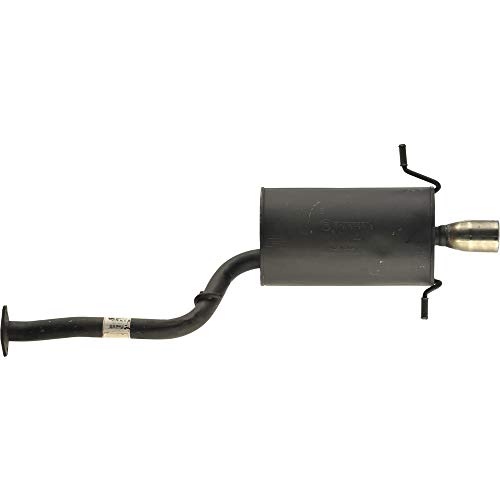 Representative Photo, actual item may vary
Autopart International 2101-428254 Catalytic Converter and Resonator Assembly

A catalytic converter and resonator assembly combines two key exhaust components into one bolt-in unit. The catalytic converter reduces harmful emissions, while the resonator tunes the exhaust note by cancelling unwanted sound frequencies. Because the two parts are often joined by a section of pipe, replacing them together as an assembly can simplify installation and reduce the number of joints that might leak.
What a Catalytic Converter and Resonator Assembly Does
Inside the converter, a ceramic or metallic substrate coated with precious metals such as platinum, palladium and rhodium turns hydrocarbons, carbon monoxide and nitrogen oxides into less harmful compounds such as carbon dioxide, water vapor and nitrogen. The resonator sits in the exhaust path to reduce drone and harsh tones, giving the vehicle a more refined sound at cruising speeds. Together they sit between the engine and the muffler, and they play a major role in both emissions compliance and driving comfort.
Why This Part Matters
A failing converter can trigger a check engine light, often with catalyst efficiency codes. It can also cause reduced power, poor fuel economy, a sulfur or rotten-egg smell, or rattling from a broken internal substrate. A clogged converter restricts exhaust flow and can lead to overheating and performance problems. Since the converter is an emissions control device, a failed one can also mean a failed emissions inspection.
Key Considerations When Shopping
- Emissions compliance: Some converters are built to meet federal EPA requirements, while others are designed for CARB-compliant states. Check which standard applies where the vehicle is registered.
- Direct-fit design: An assembly made to match the original configuration should line up with factory mounting points, flanges and oxygen sensor bungs without cutting or welding.
- Vehicle-specific fitment: Engine size, model year, and the number of oxygen sensors all affect which assembly is correct. Confirm these details against your vehicle before ordering.
- Underlying causes: Converters often fail because of another problem, such as misfires, oil burning or a coolant leak. Resolve the root cause first, or the new unit may fail early.
- Hardware and gaskets: Replacing gaskets, studs and any worn oxygen sensors during installation helps keep the system sealed and the readings accurate.
Featured Brand
The Autopart International catalytic converter and resonator assembly is a replacement option from a brand known for exhaust and emissions components. Autopart International offers direct-fit converters positioned as original-equipment-specification replacements, which suits owners who want an assembly that bolts in the way the factory part did.
Installation and Maintenance Tips
Allow the exhaust to cool completely before starting work, and apply penetrating oil to rusted fasteners ahead of time. Support the exhaust system while sections are separated so hangers and adjoining pipes are not stressed. After installation, check for leaks at every joint and clear any stored codes. Keeping the engine properly tuned, with healthy spark plugs, ignition components and fuel trim, is the best way to extend the life of the new converter.
Choosing the right catalytic converter and resonator assembly comes down to matching the correct emissions standard, fit and configuration to your vehicle, then addressing whatever caused the original failure.