


Smoke Detector


 Representative Photo, actual item may vary


 Representative Photo, actual item may vary
Lennox 21Z11 Duct Smoke Detector Kit Supply or Return Air with Power Board and Single Sensor

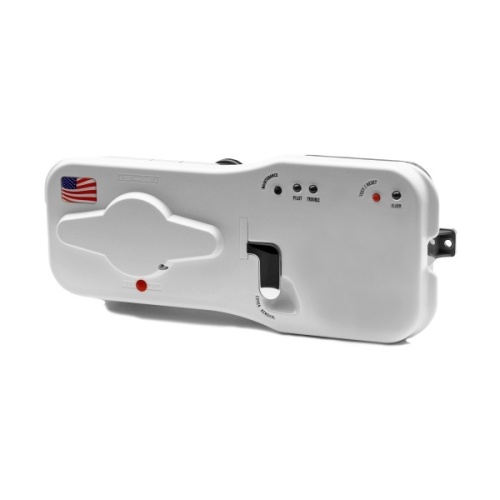 Representative Photo, actual item may vary


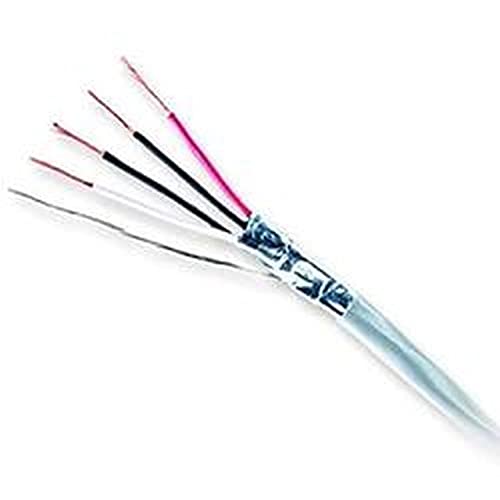 Representative Photo, actual item may vary

 Representative Photo, actual item may vary
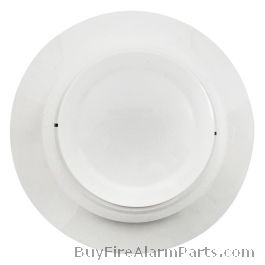 Representative Photo, actual item may vary
 Representative Photo, actual item may vary
 Representative Photo, actual item may vary
 Representative Photo, actual item may vary

 Representative Photo, actual item may vary

Carrier P271-APA151 Remote Annunciator with Piezo Alarm for Duct Smoke Detectors

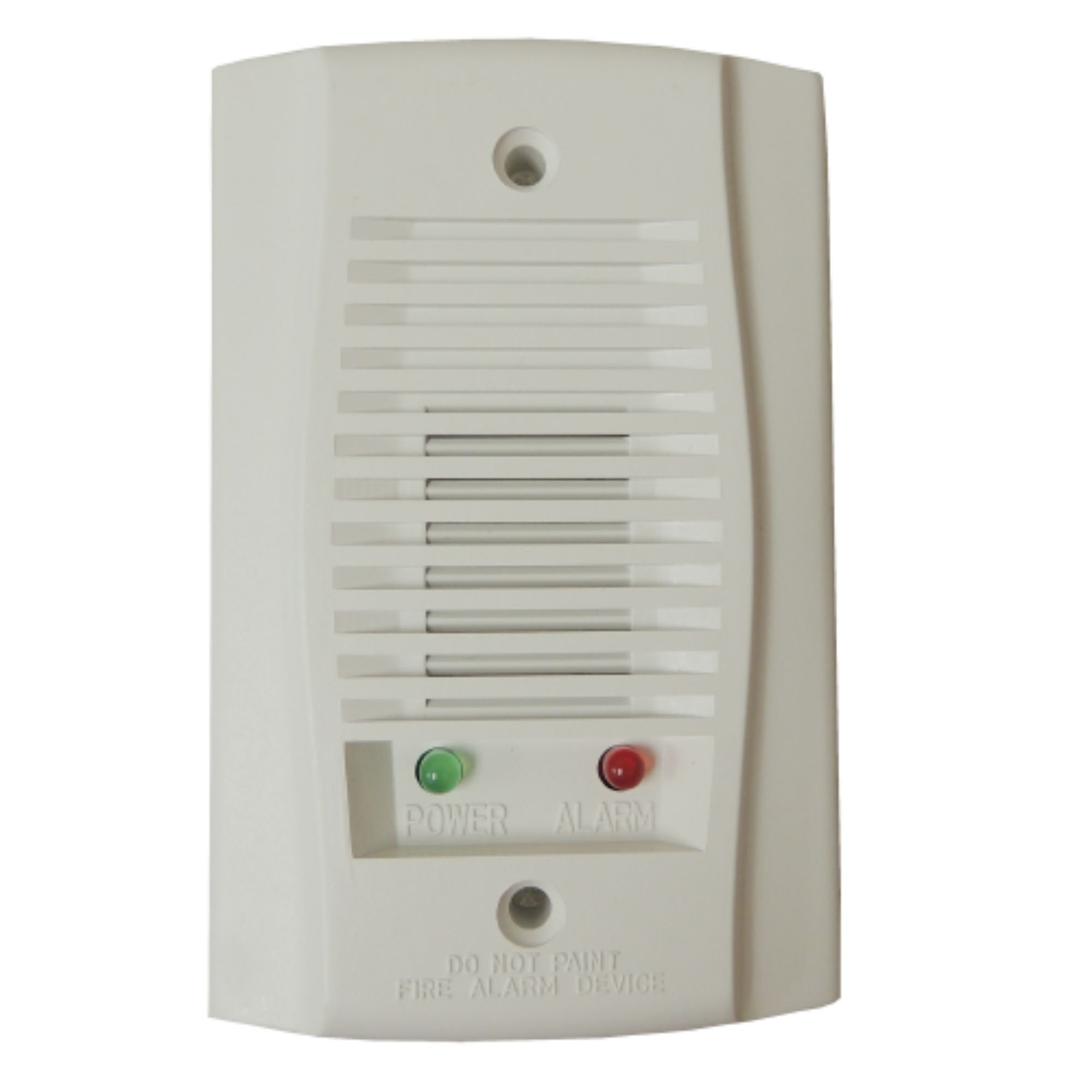 Representative Photo, actual item may vary

 Representative Photo, actual item may vary
 Representative Photo, actual item may vary
Why Smoke Detectors Matter
A smoke detector is one of the most important safety devices you can install in a home, workshop, office, or commercial building. Early warning of a developing fire gives occupants precious time to evacuate and emergency responders time to act — often making the difference between a close call and a catastrophe. Whether you're replacing an aging unit, expanding a hardwired alarm system, or outfitting HVAC ductwork with detection capability, choosing the right smoke detector for your specific environment is critical.
Understanding Smoke Detection Technology
Not all smoke detectors work the same way, and understanding the underlying technology helps you choose the right product for your application. The two primary detection methods are ionization and photoelectric sensing. Ionization detectors respond quickly to fast-flaming fires, while photoelectric detectors use a light-scatter principle and excel at detecting slow-burning, smoldering fires. Many modern detectors combine both technologies — or add heat sensing — to provide broader coverage across a wide range of combustion sources.
For commercial buildings and HVAC systems, duct smoke detectors serve an additional critical role: they monitor air moving through ductwork and can trigger system shutdowns before smoke is distributed throughout an entire building. Features like drift compensation, digital signal processing, and smoothing algorithms further improve detector reliability by reducing nuisance alarms caused by dust or transient interference.
Key Considerations When Shopping
- Wiring type: Two-wire detectors are common in modern alarm systems, while four-wire detectors offer broader compatibility with older panels.
- Detection method: Photoelectric, ionization, combination, or heat-sensing models each suit different fire risk profiles.
- Application: Residential, commercial, or HVAC duct installation each have specific product requirements and code considerations.
- Integration: Look for detectors that are compatible with your existing alarm panel or building automation system.
- Certifications: UL listings and NFPA 72 compliance are important benchmarks for safety and code acceptance.
Top Smoke Detector Brands
System Sensor is a leading name in professional fire detection, with a comprehensive lineup spanning spot detectors, HVAC duct smoke detectors, and combination CO/smoke devices. Founded in 1984, the brand has built a reputation for innovation in commercial detection — its i3™ series, for example, is built around the principles of installation ease, intelligence, and instant inspection, while its InnovairFlex™ duct smoke detectors are UL listed and engineered to simplify HVAC system monitoring.
Honeywell brings decades of building safety expertise to its smoke detector lineup, offering everything from wireless photoelectric detectors for residential alarm systems to addressable intelligent detectors for large commercial installations. Honeywell's detectors are designed to integrate seamlessly with their broader family of fire alarm control panels and receivers, making them a strong choice when building out or expanding an existing Honeywell-based safety system.
Carrier rounds out the category with smoke detection solutions purpose-built for HVAC applications. Carrier's duct-mounted detectors use photoelectric technology to sample air passing through the system and can trigger HVAC shutdowns to prevent toxic smoke from circulating throughout a building — an important layer of protection in larger commercial and residential structures.