


Racing Seat


Recaro 414.00.2351 Sportster CS Cross Tuning Seat, Flat Cushion, Low Bolsters




NRG Innovations DF-100BR-S Defender Suspension Bucket Seat Brown with Gray Trim & Side Mount Bracket

 Representative Photo, actual item may vary
NRG Innovations FRP-304PP-PRISMA Fixed-Back Bucket Seat Prisma Iridescent
 Representative Photo, actual item may vary


 Representative Photo, actual item may vary
OMP Racing HA0-0815-A01-071-L HTC One Carbon Fiber Racing Seat Large

 Representative Photo, actual item may vary
 Representative Photo, actual item may vary


 Representative Photo, actual item may vary
Butlerbuilt BBP-2462-4001 Large Left-Side Leg Support Black Velour Cover
What Is a Racing Seat?
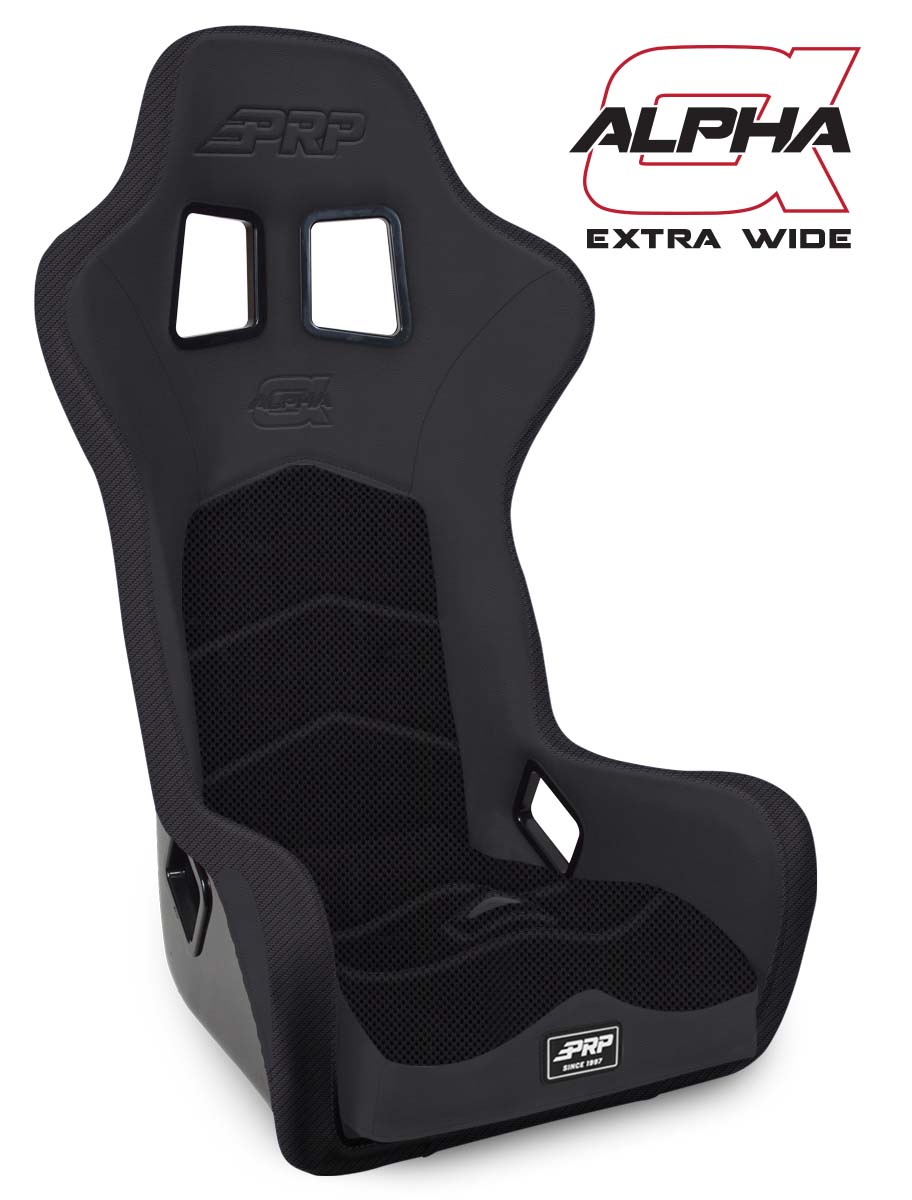
A racing seat is a purpose-built shell seat designed to hold a driver firmly in place under hard cornering, braking, and acceleration. Unlike a factory seat, which is engineered around everyday comfort and adjustability, a racing seat prioritizes rigid lateral support, low weight, and crash protection. Most are fixed-back designs with a molded shell, deep shoulder and thigh bolsters, and openings for multi-point racing harnesses.
Why Racing Seats Matter
When a car is generating high cornering loads, a driver who is sliding around in the seat loses precision and feedback from the chassis. A well-fitted racing seat locks the body in position so the driver can focus on steering, pedal modulation, and reading the car. Just as importantly, a quality racing seat is a safety component. Rigid shells and properly designed head and shoulder supports help manage forces in an impact, and many seats are developed to work alongside head and neck restraint systems such as the HANS device.
Key Considerations When Choosing a Racing Seat
- Homologation: Many sanctioning bodies require seats certified to an FIA standard, such as FIA 8855-1999 or the Advanced Racing Seat standard FIA 8862-2009. Check your series rulebook, and note that homologations expire, so confirm the seat is still valid for your event.
- Shell material: Fiberglass-reinforced shells are a durable, cost-effective choice, while carbon fiber and Kevlar composites reduce weight further.
- Size and fit: Seats are commonly offered in different widths and heights. A proper fit should feel snug through the hips and torso without pinching, with the shoulders supported and the harness slots lining up correctly.
- Mounting: Most racing seats require side mounts or a bracket system that suits your vehicle and meets the relevant standard. Mounting hardware is typically sold separately and is critical to overall safety.
- Harness and head-restraint compatibility: Make sure the seat has the correct harness slot layout and shoulder clearance for your belts and any head and neck system.
- Road legality: Competition-only seats generally are not approved for public roads. If you want one seat for both street and track, look specifically for designs that carry road-use approval.
Top Brand in Racing Seats
Recaro is one of the most recognized names in performance seating, with a motorsport heritage that stretches back decades. The company introduced its first double-shell racing seat in 1974 and has since pioneered features like head protection in racing shells, designs optimized for HANS devices, and lightweight composite construction. Its Podium seat was introduced as a street-legal, FIA-homologated performance seat, bridging the gap between track-day capability and daily driving. Recaro racing seats also commonly feature ergonomic backrest shaping intended to support the spine during high-load driving.
Installing and Maintaining a Racing Seat
Proper installation matters as much as the seat itself. Use the specified bolts, mounting points, and torque values, and make sure the seat sits as low and as rigidly attached to the chassis as possible. Inspect the shell, mounts, and upholstery regularly for cracks, deformation, or wear, and replace any seat that has been involved in a significant impact. Keeping the harness and seat certifications current helps you stay compliant at the track and ensures the protection you expect.