


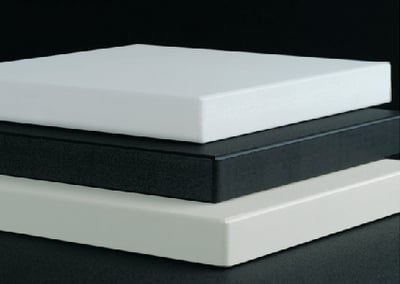
 Representative Photo, actual item may vary
 Representative Photo, actual item may vary



Five Star Fabricating 30001-93151-CB MD3 High-Impact Plastic Flat Sheet 3.5ft x 9.5ft Chevron Blue


 Representative Photo, actual item may vary
Dr. Shrink DS-204100C 20ft x 100ft Clear Polyethylene Plastic Sheeting 4 Mil

The Unsung Heroes of Every Repair: Adhesives, Sealants & Tape
Every vehicle on the road — from a daily commuter to a weekend project car — relies on far more than nuts and bolts to stay together. Adhesives, sealants, and tape quietly hold trim in place, keep fluids from leaking, protect wiring, and seal out wind, water, and road noise. This broad category covers dozens of product types, each engineered for a specific material, environment, or level of stress. Choosing the right one can mean the difference between a lasting repair and a comeback job.
Why Automotive Adhesives, Sealants & Tape Matter
A water-tight or air-tight seal is crucial for the performance of multiple vehicle systems, from the manifold to the muffler and the windows to the tires. Modern vehicles also place higher demands on bonding solutions than ever before. High-performance bonding tapes are now used for cell-to-cell attachment in electric vehicle batteries, and the rapid growth of the EV industry has led to advancements in battery pack designs and materials, causing more demand for innovative adhesive solutions.
Ranging from body panel adhesives and trim adhesives to windscreen bonding and anti-flutter adhesives, these materials are designed to enhance product performance and increase vehicle durability. There are different types of adhesives, each created for different parts of the vehicle — for example, the adhesive used to bond glass cannot be used to attach a rearview mirror or any other component.
Key Product Types in This Category
- RTV Silicone Sealants & Gasket Makers: When gaskets fail under heat or vibration, RTV silicone sealant steps in, curing at room temperature to a flexible, temperature-stable bond that holds where other sealants crack. Depending on the type of fluid that will contact the gasket maker, more specific options may be appropriate, including sealants that are more resistant to oil, coolant, or transmission fluid.
- Structural & Epoxy Adhesives: Structural adhesives are mostly used for engineering applications and are widely applied on load-bearing joints. Two-component formulas can bond plastic, metal, and composites for repairs that demand maximum holding power.
- Silicone Adhesives: Silicone adhesives are renowned for their flexibility and high-temperature resistance, and their elasticity ensures that bonded materials can expand or contract without compromising the bond.
- Weatherstrip & Trim Adhesives: Purpose-formulated contact adhesives bond rubber weatherstripping, door seals, and interior trim to metal and painted surfaces, restoring noise and weather protection around doors, windows, and trunks.
- Automotive Tape: The primary types of adhesive tapes used in the automotive industry include assembly tapes, mounting tapes, masking and finishing tapes, wire harness and electrical tapes, and surface protection films. Masking tapes are essential for painting or refinishing, enabling clean lines and preventing paint bleed.
- Thread Sealants & Pipe Compounds: Applied to threaded fittings in fuel, coolant, and brake systems, these products lock fasteners in place and prevent fluid seepage through threaded connections.
- Electrical Sealants & Tapes: Electrical components like the battery and various wires should be sealed with electrical sealers such as battery no-corrode gel and liquid electrical tape.
What to Consider When Shopping
When selecting products in this category, there are several key factors to consider — first, it is essential to choose a product compatible with the specific materials of your vehicle's components, such as metal, rubber, or plastic. Pay attention to temperature and pressure ratings, as some applications may require high-performance sealants that can withstand extreme conditions. Always verify whether a product is designed for permanent bonding or allows for future disassembly, and follow manufacturer cure-time guidelines before putting a repaired component back into service.