


Brake Shim


 Representative Photo, actual item may vary

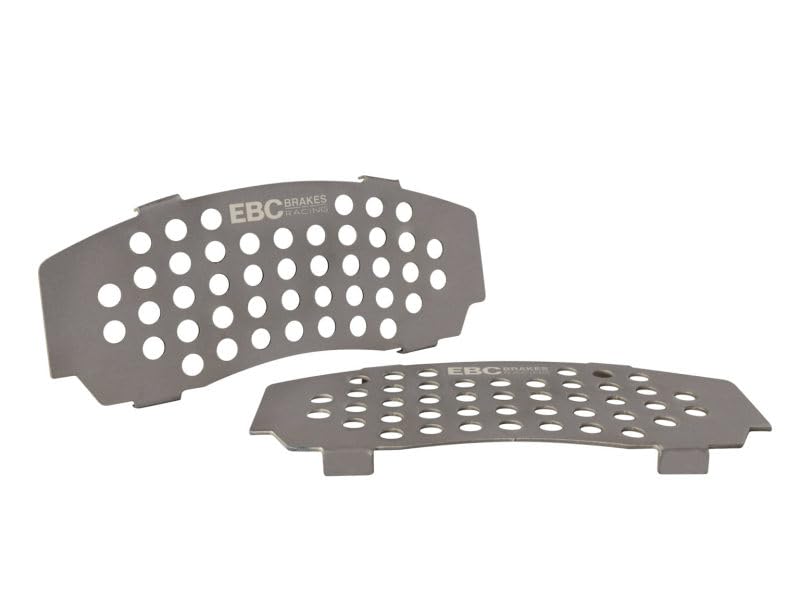 Representative Photo, actual item may vary



 Representative Photo, actual item may vary

 Representative Photo, actual item may vary
 Representative Photo, actual item may vary
 Representative Photo, actual item may vary


OE Aftermarket 987 351 088 01 Brake Pad Anti-Vibration Shim for 36/40mm Calipers


 Representative Photo, actual item may vary
 Representative Photo, actual item may vary

 Representative Photo, actual item may vary
 Representative Photo, actual item may vary
 Representative Photo, actual item may vary



 Representative Photo, actual item may vary
Genuine Porsche 96535209601 Disc Brake Pad Shim 34mm Anti-Vibration


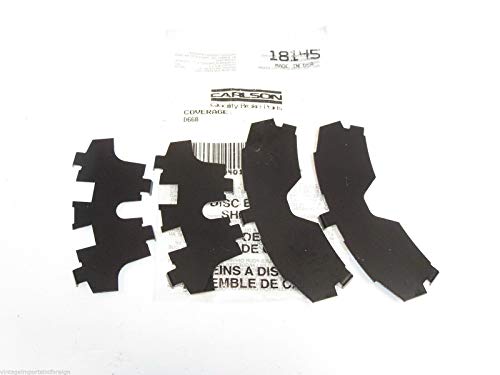 Representative Photo, actual item may vary

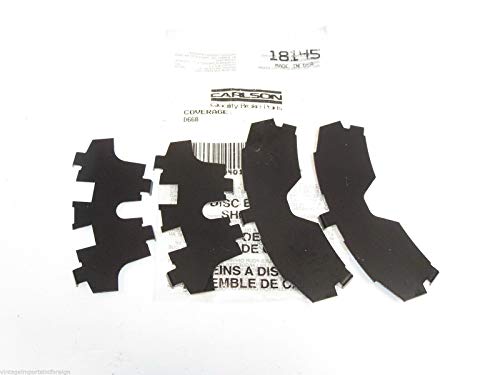 Representative Photo, actual item may vary
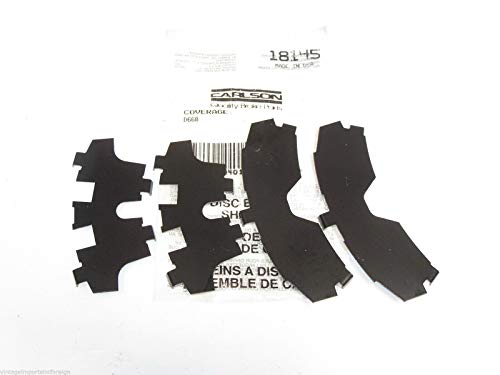 Representative Photo, actual item may vary

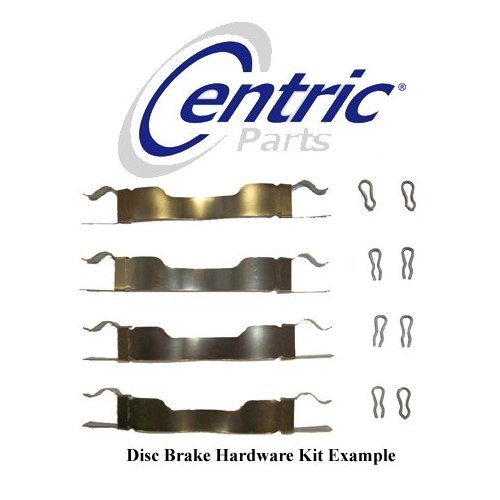 Representative Photo, actual item may vary

 Representative Photo, actual item may vary


 Representative Photo, actual item may vary
 Representative Photo, actual item may vary


 Representative Photo, actual item may vary
 Representative Photo, actual item may vary

 Representative Photo, actual item may vary


 Representative Photo, actual item may vary
What Are Brake Shims and Why Do They Matter?
Few brake system components are as underappreciated — or as impactful — as the humble brake shim. If you've ever walked away from a fresh pad replacement only to have your brakes announce every stop with a high-pitched squeal, a missing or deteriorated shim is often the culprit. Brake shims are thin plates or pads that sit between the brake pad backing plate and the caliper piston face, and their primary job is to interrupt the vibration transmission path that creates audible brake squeal. They're also sometimes called anti-squeal shims or anti-noise shims — and for good reason.
On a fundamental level, brake shims serve several interconnected purposes. First and foremost, they dampen vibration: when brake pads clamp against a spinning rotor, the frictional forces involved generate high-frequency vibrations that travel through the caliper and into the surrounding metal, producing that familiar squealing or chattering noise. The shim acts as a damping layer, absorbing these vibrations before they can amplify into audible noise. Beyond noise reduction, shims also help keep pads properly aligned within the caliper, compensating for small fitment variances that can lead to uneven wear or rattle. Additionally, many shims — particularly titanium variants — provide a degree of thermal insulation, reducing heat transfer from the hot brake pad to the caliper body and brake fluid, which can extend the service life of caliper components.
Types of Brake Shims
Not all brake shims are created equal. The most common types include:
- Rubber or elastomeric shims – Adhesive-backed or slip-on pads that excel at noise dampening and are standard on most OEM and premium aftermarket pads.
- Rubber-bonded steel shims – A composite construction that combines the rigidity of steel with a rubber damping layer, offering both structural support and vibration absorption.
- Titanium shims – Found on high-performance applications, these prioritize heat shielding over noise dampening, protecting caliper pistons and brake fluid from extreme temperatures.
- Rotor shims – A distinct category used between the rotor hat and the wheel hub to correct lateral runout, eliminating pedal pulsation caused by minor rotor or hub imperfections.
When Should You Replace Brake Shims?
Brake shims should be inspected — and typically replaced — every time brake pads are serviced. Over time, the damping material compresses, corrodes, or tears, losing its effectiveness. Reusing old shims with new pads is one of the most common reasons customers return to the shop complaining of brake noise shortly after a service. Most manufacturers supply replacement shims as individual components or as part of a hardware kit, making it straightforward to do the job right the first time.
Top Brake Shim Brands
Genuine parts are the gold standard for vehicle owners who want factory-correct fitment. OEM brake shims are engineered to the exact specifications of the original components, ensuring the precise geometry, material composition, and adhesive properties that the vehicle's brake system was designed around — with no guesswork about compatibility.
Raybestos has been a cornerstone of the brake parts aftermarket since 1902, and their brake shim lineup reflects that depth of expertise. Their pad shim kits are engineered to match OE form, fit, and function, while their R-Line and PG Plus rotor shims are available in multiple thicknesses to address a range of rotor runout conditions — making them a go-to for professional technicians.
Motorcraft is Ford's factory parts brand, and their brake hardware — including shims — is designed specifically for Ford and Lincoln vehicles. For owners of those platforms, Motorcraft shims offer the confidence of parts built to the original engineering specifications.
URO specializes in replacement parts for European vehicles, making their brake shims a practical choice for owners of European makes who want affordable, application-specific hardware that matches the geometry of OEM components.