


Tent


Overland Vehicle Systems 18199909 Nomadic HD Shower Tent - 42x42 Vehicle Mount Privacy Enclosure


Ironman 4x4 IENSUITEXT DeltaWing Ensuite Privacy Shower Tent Room XT 3.6ft x 3.6ft Black


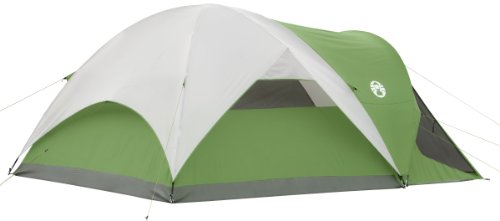 Representative Photo, actual item may vary


 Representative Photo, actual item may vary


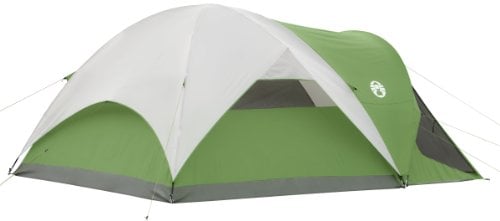 Representative Photo, actual item may vary
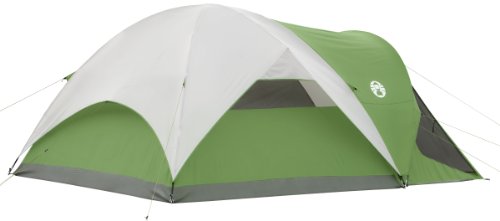 Representative Photo, actual item may vary
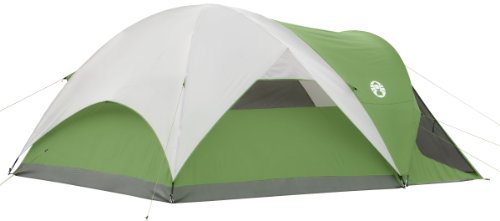 Representative Photo, actual item may vary
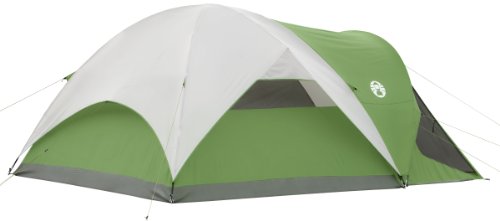 Representative Photo, actual item may vary

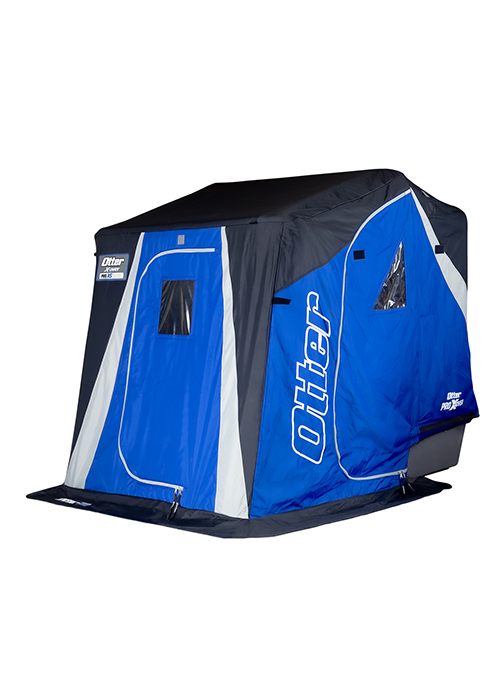 Representative Photo, actual item may vary

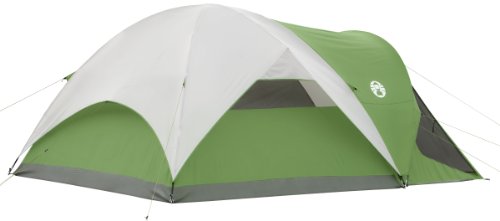 Representative Photo, actual item may vary

Your Shelter in the Wild: Choosing the Right Camping Tent
A great camping trip starts with a great tent. Whether you're pitching up at a busy campground with the family, heading into the backcountry solo, or setting up base camp for a weekend festival, your tent is far more than a place to sleep — it's your home away from home and your first line of defense against the elements. Choosing the right one makes the difference between waking up refreshed and ready to explore, or spending a soggy, sleepless night wishing you'd done more research.
Types of Camping Tents
Understanding tent styles is the first step to finding your perfect match. Each design comes with trade-offs in space, weight, weather resistance, and ease of setup:
- Dome Tents – A versatile and popular choice, dome tents are stable in wind and offer a good balance of interior space and packed size. They suit most casual campers well.
- Cabin Tents – Featuring near-vertical walls that maximize headroom, cabin tents are ideal for family camping or longer stays where comfort and the ability to move around freely matter most.
- Backpacking Tents – Designed to minimize weight and packed volume, these are the go-to for hikers and backcountry adventurers where every ounce counts.
- Pop-Up Tents – Spring into shape straight out of the bag, making them great for quick trips and beach days, though they typically trade weatherproofing for speed of setup.
- Geodesic Tents – Built with multiple intersecting poles, geodesic designs shed wind and snow from every angle, making them a favorite for exposed, high-altitude, or winter conditions.
- Tunnel Tents – Long and roomy, tunnel tents are well-suited for groups who need maximum interior living space and don't mind finding a flat pitch.
Season Ratings: 3-Season vs. 4-Season
Most campers will find a three-season tent covers the vast majority of their needs. Three-season tents balance airflow and weather resistance for typical spring, summer, and fall conditions, with features like mesh panels for ventilation, rainflies that extend over doors and walls, and welded floors to keep out rain. A four-season tent, on the other hand, is engineered for winter and alpine camping — featuring heavy-duty poles and fabric built to withstand strong winds, heavy snow, and cold temperatures, though these can feel overbuilt and overly warm during summer use.
Sizing: How Many People Does Your Tent Really Fit?
Tent capacity ratings are often optimistic. A tent marketed as sleeping four people will fit four people — but only if everyone is comfortable sleeping shoulder-to-shoulder with no gear inside. A good rule of thumb is to size up: a four-person tent realistically sleeps two or three people comfortably once you account for bags, boots, and a bit of room to move around. Look for adequate floor space per person and, for longer trips, a peak height that lets you stand or change clothes without crouching.
Key Features to Look For
- Poles: Aluminum poles are stronger and lighter than fiberglass, making them worth the upgrade for frequent campers.
- Rainfly: A full-coverage rainfly paired with waterproof fabric is essential for wet-weather protection.
- Ventilation: Mesh panels and adjustable vents improve airflow and reduce interior condensation on humid nights.
- Vestibules: A covered porch area outside the main sleeping compartment gives you a dry spot to store muddy boots and wet gear.
- Doors: Multiple doors are a big quality-of-life upgrade in larger tents, reducing the need to climb over tent-mates in the middle of the night.
- Fabric Denier: Higher denier fabrics offer greater abrasion and tear resistance, extending the life of the tent over many seasons of use.
Car Camping vs. Backpacking: Know Your Use Case
The single biggest factor in choosing a tent is how you plan to get to your campsite. Car camping means weight and packed size are largely a non-issue, opening the door to roomier, comfort-focused designs. Backpacking demands the opposite — a tent that packs down small and light enough to carry for miles without wearing you out before you've even arrived. Being honest about your camping style before you buy will save you money and frustration in the long run.