





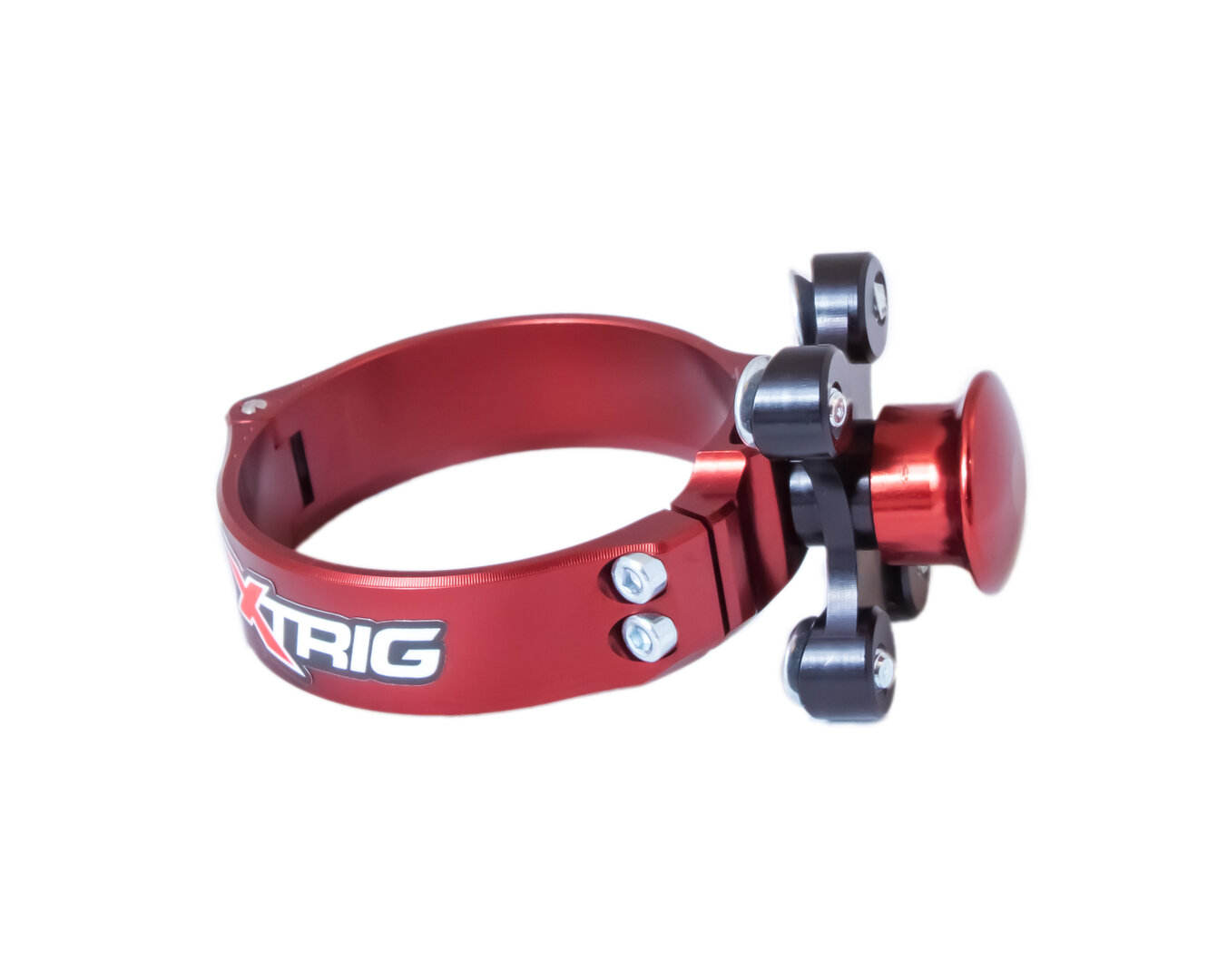
 Representative Photo, actual item may vary
XTRIG Holeshot Device Showa Fork


Works Connection 12-416 Pro Launch Start Device for Motocross Holeshot Gate


 Representative Photo, actual item may vary


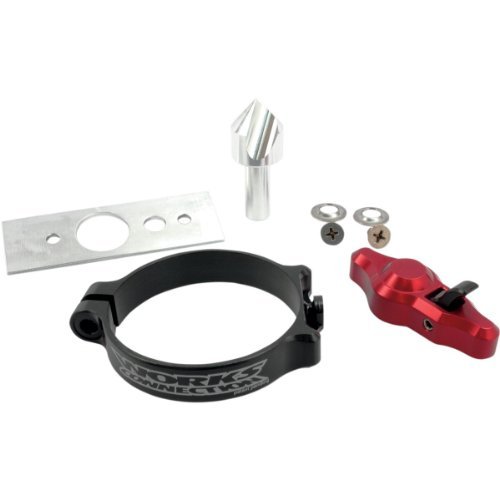 Representative Photo, actual item may vary
Works Connection 12-G222 Pro Launch Holeshot Device Kit Honda CRF250R CRF450R 2009-2018 Gray
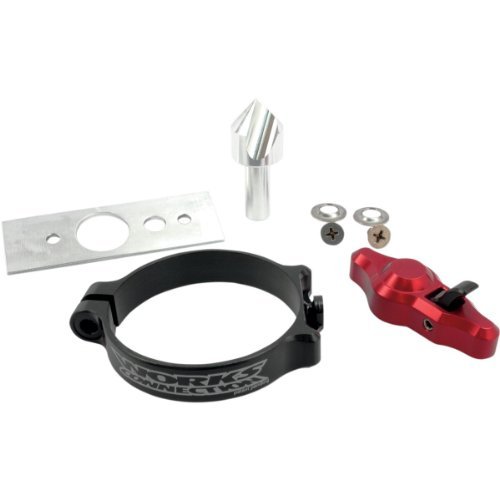 Representative Photo, actual item may vary
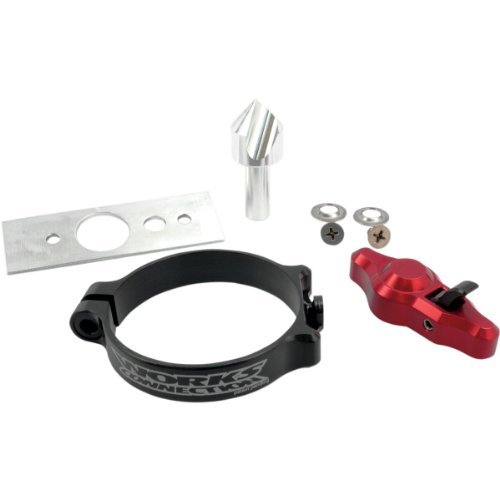 Representative Photo, actual item may vary

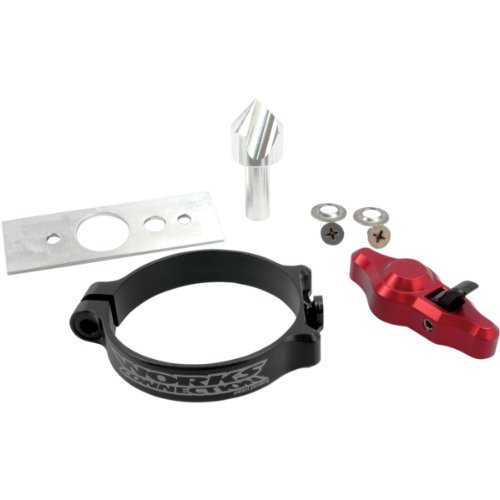 Representative Photo, actual item may vary


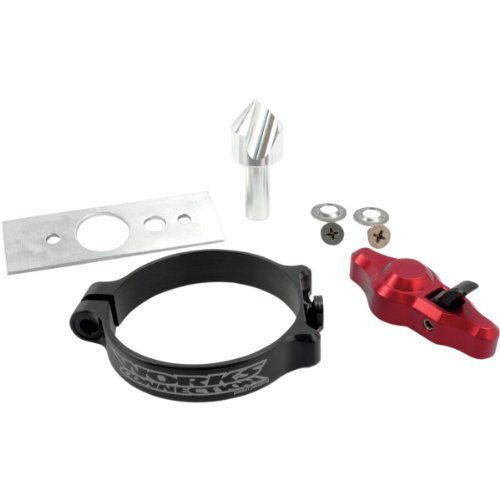 Representative Photo, actual item may vary


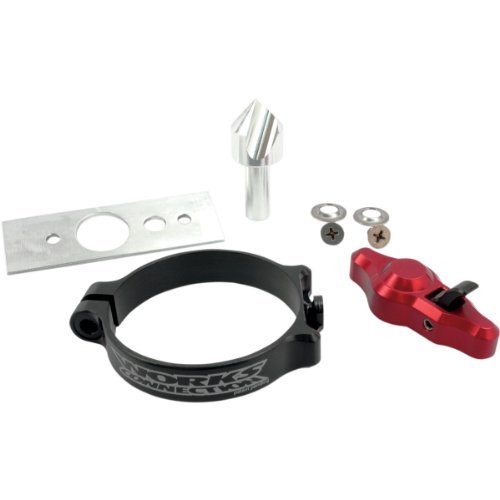 Representative Photo, actual item may vary
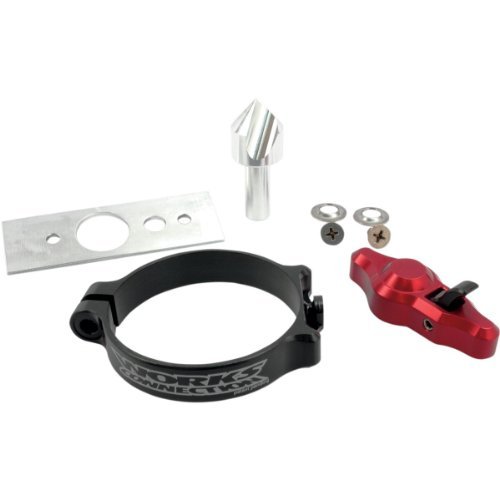 Representative Photo, actual item may vary

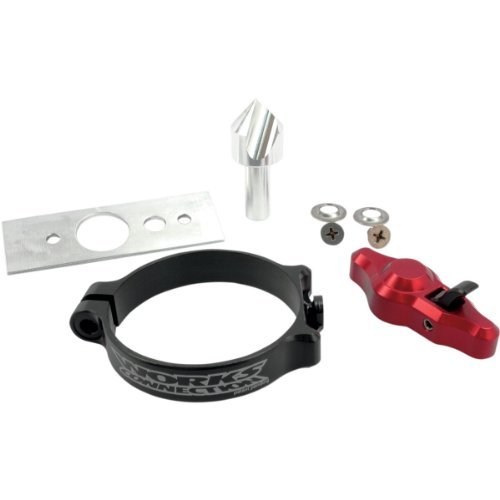 Representative Photo, actual item may vary
Works Connection 12-G722 Pro Launch Kit for GasGas/Husqvarna 85 Grey 2020-2025
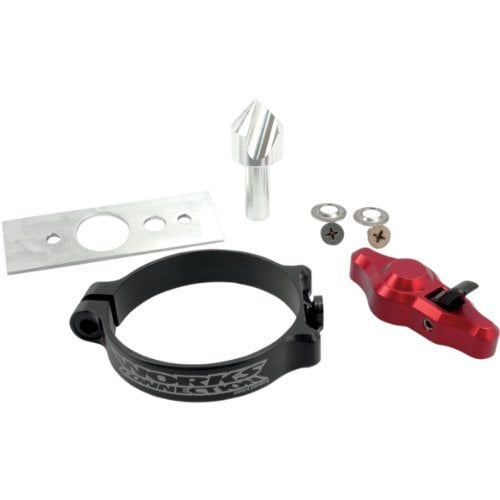 Representative Photo, actual item may vary
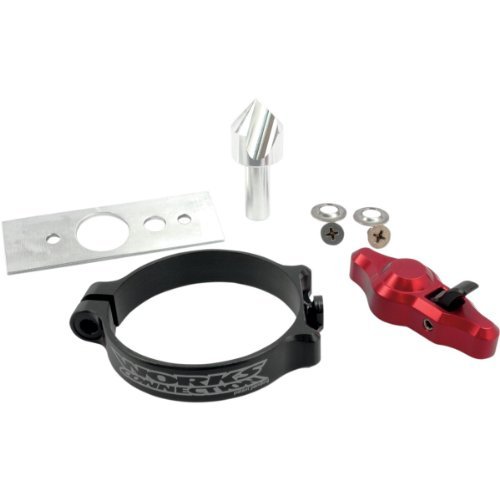 Representative Photo, actual item may vary
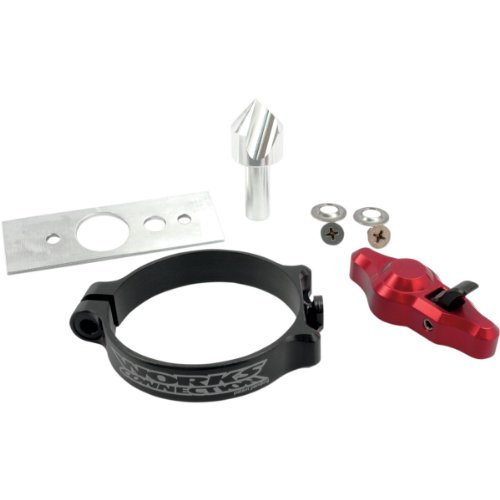 Representative Photo, actual item may vary
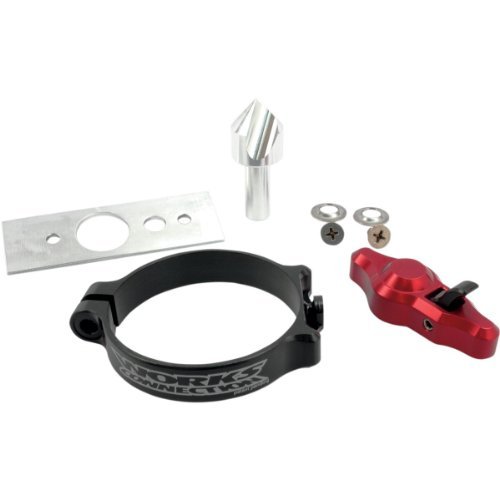 Representative Photo, actual item may vary

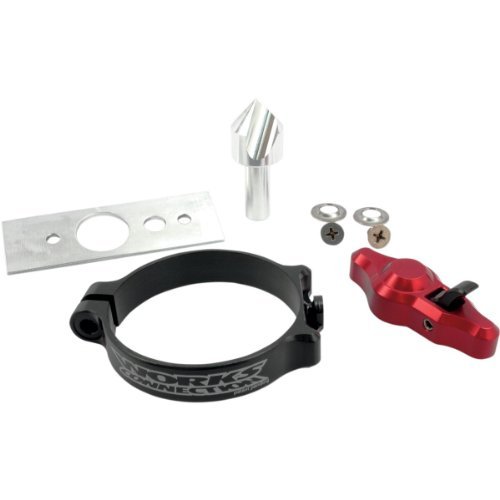 Representative Photo, actual item may vary


The Hidden Controllers Behind Every Vehicle Function
Modern vehicles are filled with dozens of systems that operate seamlessly behind the scenes — and at the heart of nearly all of them are switches, solenoids, and actuators. These components form the essential electrical and electromechanical backbone of your vehicle, translating small electrical signals into the physical actions that start your engine, shift your gears, lock your doors, and control your fuel delivery.
What Are Switches, Solenoids, and Actuators?
While the three terms are closely related, each plays a distinct role in a vehicle's operation:
- Switches are the input side of the equation — they open or close an electrical circuit in response to driver input or sensor feedback. From ignition switches and brake light switches to multi-function column stalks, they serve as the command layer for virtually every vehicle system.
- Solenoids are electromechanical devices that convert electrical energy into linear or rotational motion. A solenoid is an electrical switch often used where a high-current circuit — such as a starter motor circuit — is brought into operation with the aid of a low-current switch. Solenoids carry a current that generates a magnetic field when energized, providing a power source with high force and current for triggering devices used in electrical and vehicle applications.
- Actuators are the output devices — they physically move components in response to electrical commands. Common examples include door lock actuators, throttle body actuators, and HVAC blend door actuators.
Where You'll Find These Parts in Your Vehicle
Switches, solenoids, and actuators are spread throughout virtually every system in a modern car, truck, or SUV. Some of the most critical applications include:
- Engine Starting: In the automotive realm, solenoid switches are the bridge that ignites the vehicle's starting sequence. When the ignition key is turned, these switches engage, creating a magnetic field that latches onto the starter's drive pinion, effectively linking the battery to the starter motor — the catalyst for the engine's ignition.
- Transmission Control: For smooth gear shifting in automatic vehicles, solenoids regulate hydraulic pressure in the transmission, helping with seamless transitions between gears and a more comfortable driving experience.
- Fuel Systems: The actuation of valves may be achieved through solenoids, which are also used in numerous other automotive applications including fuel injection systems and automatic transmission systems.
- Convenience & Comfort: Solenoids also contribute to the convenience features in modern vehicles, controlling power windows, locks, and seat adjustments.
- Cruise Control: Cruise control systems rely on solenoids to control throttle position, adjusting the throttle to maintain the vehicle's speed for more comfortable long drives.
Why Proper Function Matters
Solenoids might seem small, but their role in modern vehicles is anything but minor — these components help manage key functions that affect both your vehicle's performance and your overall driving experience. A failed switch can leave an entire system unresponsive. Without a working solenoid switch, a vehicle may not start or operate key systems — and starter solenoids in particular often cause more starter failures than other components, making their reliability crucial for drivers.
Shopping for Switches, Solenoids & Actuators
When replacing any of these components, OE-equivalent fit and electrical specification are the top priorities. Look for parts that match your vehicle's original voltage ratings, connector type, and mounting configuration. Many solenoids and actuators are system-specific, so always verify compatibility with your year, make, model, and engine. Whether you're diagnosing a no-start condition, restoring a sluggish door lock, or rebuilding a transmission valve body, this category covers the full range of electrical control components your vehicle depends on.