


Relays & Fan Sequencers

IDEC SY4S-05C Finger-Safe 14-Pin Relay Socket 4-Pole DIN Rail Screw Terminal 300V 7A

 Representative Photo, actual item may vary

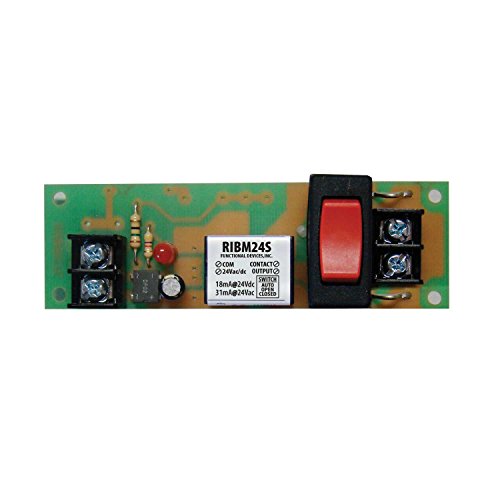 Representative Photo, actual item may vary
Functional Devices RIBU2C-OR 10A 2SPDT Enclosed Pilot Relay 10-30VAC/DC & 120VAC Coil

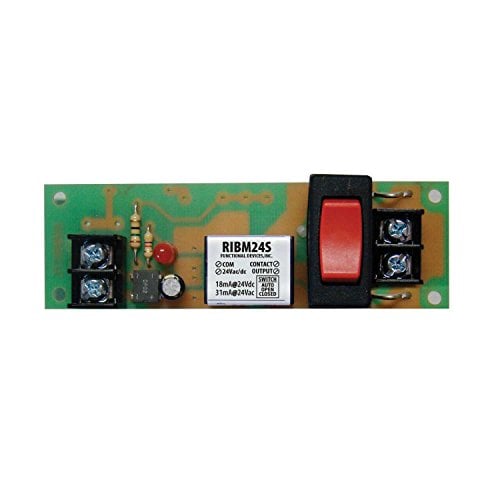 Representative Photo, actual item may vary
Functional Devices RIBU2C-AND Enclosed Pilot Relay 10A 2 SPDT 10-30 VAC/DC 120 VAC Coil
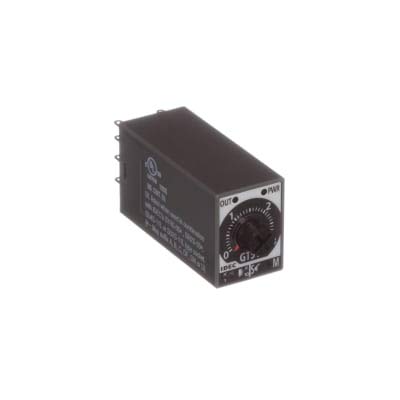 Representative Photo, actual item may vary
IDEC RH4B-ULAC240V Compact Power Relay 4PDT 10A 240VAC Blade Terminal with LED Indicator
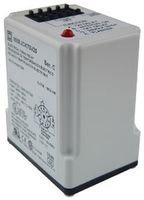 Representative Photo, actual item may vary
Square D by Schneider Electric RE17RAMU Harmony Timer Relay, On-Delay, 8A, 24-240V
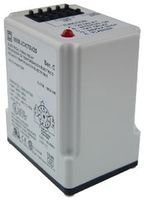 Representative Photo, actual item may vary
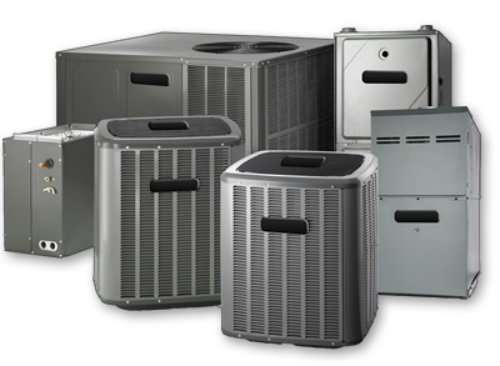 Representative Photo, actual item may vary
 Representative Photo, actual item may vary

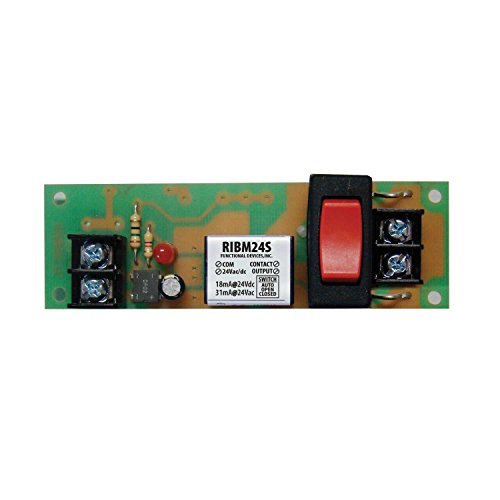 Representative Photo, actual item may vary
 Representative Photo, actual item may vary

What Are Relays & Fan Sequencers?
Relays and fan sequencers are the unsung heroes of any HVAC system. Relays & Fan Sequencers are the electromechanical switches and timing devices that keep heating, cooling, and ventilation equipment operating safely and efficiently. Without them, a system would have no reliable way to channel the right amount of power to the right component at the right time.
At their core, HVAC relays are electromechanical switches that control the flow of electricity to different components of an HVAC system. They utilize an electromagnet to control physical contacts, functioning as an intermediary between low-voltage control circuits and high-voltage load circuits. By regulating these circuits, relays control compressors, blower fans, and heating elements — ensuring proper temperature management and overall system functionality.
Fan sequencers take this concept a step further. Rather than simply switching a circuit on or off, a sequencer controls the timing of electrical circuits, ensuring components start and stop in a safe, efficient order. In electric furnaces and air handlers, sequencers stage the activation of heating elements gradually instead of all at once, which reduces electrical load, protects system components, and helps equipment operate more efficiently. Bypassing or ignoring a faulty sequencer can lead to electrical overloads and potential damage to your HVAC system.
Why These Components Matter
Fan relays help protect electrical components from overloads, enhance system responsiveness, and contribute to longer equipment life through precise fan control. A failing relay can prevent a blower motor from turning on, stop a condenser fan from running, or keep a compressor from cycling — symptoms that can leave occupants uncomfortable and accelerate wear on other parts of the system. Selecting the correct relay or sequencer for your system's voltage rating, contact configuration, and timing requirements is essential for reliable, long-term operation.
Top Brands in Relays & Fan Sequencers
Functional Devices is the category leader here, and for good reason. Founded in 1969, the company has decades of experience providing high-quality products for the HVAC industry, including enclosed pilot relays, BACnet-compatible relays, and current-sensing relays. Their relays are widely valued because they reduce installation costs and time, and feature designs that switch devices such as blower motors and condenser fans on or off with precision.
Tjernlund brings a legacy of mechanical ventilation expertise to the fan sequencer segment. Manufacturing high-quality HVAC equipment since 1938, Tjernlund is known for innovative fan center and sequencer solutions that pair naturally with their ventilation product lines, including their AireShare transfer fan systems and duct booster fans.
Square D by Schneider Electric is a globally recognized name in electrical control and distribution. Their relays bring industrial-grade build quality and broad voltage compatibility to HVAC control applications, making them a go-to choice for commercial and light-industrial installations.
IDEC is a trusted manufacturer of control components, offering relays known for compact form factors, wide coil voltage ranges, and multiple contact configurations including SPDT and DPDT — useful in complex HVAC and building automation wiring scenarios.
Resideo by Honeywell rounds out the lineup with relays backed by one of the most recognized names in home comfort technology. Resideo's products are designed to integrate seamlessly with thermostat control systems, making them a natural fit for both replacement and new-installation applications.
Buying Considerations
- Voltage Rating: Confirm the relay or sequencer matches your system's coil voltage — common options include 24V, 120V, and 240V.
- Contact Configuration: SPST, SPDT, and DPDT contacts serve different switching needs; verify the correct form for your application.
- Amperage Rating: Ensure the relay's amp rating meets or exceeds the load it will be switching.
- Time Delay Specs: For sequencers, select appropriate on/off timing delays to match your system's staged-heating requirements.
- Mounting & Enclosure: Consider whether an enclosed relay or a DIN-rail mount unit is needed for your installation environment.