


HVAC Replacement Motors


 Representative Photo, actual item may vary

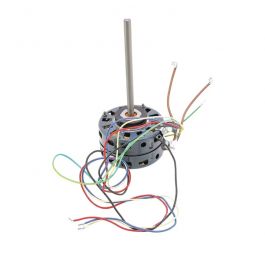 Representative Photo, actual item may vary
Daikin-McQuay 060704601 Motor HVAC Replacement Motors - 1/2HP 208-230V 1075RPM 2-Speed


International Comfort Products 1185247 Blower Motor 1/2 HP 120/240V 1400 RPM EON
 Representative Photo, actual item may vary

Regal Rexnord Century Motors OEV6016 1/6 HP OEM Replacement Motor 1000 RPM 115V




 Representative Photo, actual item may vary


 Representative Photo, actual item may vary



 Representative Photo, actual item may vary
 Representative Photo, actual item may vary

 Representative Photo, actual item may vary


Carrier HD56AK651 Multi-Voltage Three Phase Blower Motor 1140 RPM 56Y Frame
 Representative Photo, actual item may vary


Regal Rexnord Century D1056 1/2 HP Direct Drive Blower Motor 208-230V 1075 RPM 48 Frame

Rheem-Ruud SP12562 PowerVent 2 Blower Assembly with Integrated Pressure Switch


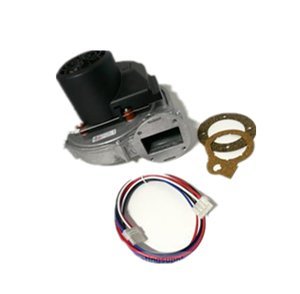 Representative Photo, actual item may vary
Laars Heating Systems RA2107500 Combustion Blower Assembly for NeoTherm Boilers


Broan-NuTone S97017703 Fan Assembly - Motor, Blower Wheel & Mounting Plate for Model 750


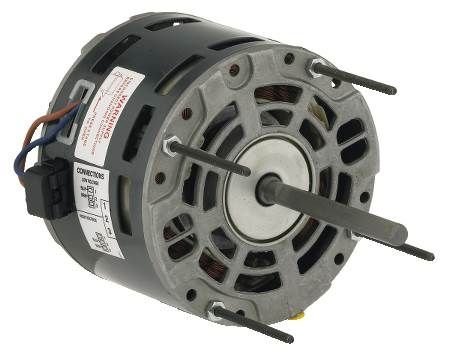 Representative Photo, actual item may vary

 Representative Photo, actual item may vary
 Representative Photo, actual item may vary
 Representative Photo, actual item may vary


 Representative Photo, actual item may vary

 Representative Photo, actual item may vary

 Representative Photo, actual item may vary


Trane MOT19008 Blower Motor RPM HVAC Replacement Motors - 2-Speed 460V 0.8HP 1075
 Representative Photo, actual item may vary
Trane MOT19000 Blower Motor RPM HVAC Replacement Motors - 208-230V 1Ph 0.6HP 850

Every furnace, air conditioner and heat pump relies on electric motors to move air and refrigerant-cooling airflow through the system. When one of those motors weakens or fails, comfort drops quickly, energy use climbs, and other components can be put at risk. HVAC replacement motors give homeowners, technicians and facility managers a way to restore a system to dependable operation without replacing the entire unit.
What HVAC Replacement Motors Do
Most heating and cooling systems use several motors, each with a distinct job:
- Blower motors push conditioned air through the ductwork and into living or working spaces.
- Condenser fan motors pull air across the outdoor coil so the system can reject heat.
- Draft inducer motors move combustion gases safely out of gas furnaces.
- Evaporator and air handler motors circulate air across indoor coils in split and packaged systems.
Because these motors often run for hours each day through peak seasons, bearings wear, capacitors weaken and windings can overheat. Warning signs include humming without spinning, squealing or grinding noises, weak airflow, frequent tripped breakers, and a motor housing that is too hot to touch.
Key Considerations When Choosing a Replacement Motor
Getting an exact match matters more than most people expect. Before choosing a motor, check the nameplate on the existing unit and compare these details:
- Horsepower and voltage: These must match the original specification for the system to perform as designed.
- Rotation and speed: Clockwise or counterclockwise rotation, along with RPM and the number of speeds, affects airflow and efficiency.
- Frame size and mounting: Shaft diameter, bracket style and housing dimensions determine whether the motor physically fits.
- Motor type: Permanent split capacitor (PSC) motors are common in standard systems, while electronically commutated motors (ECM) offer variable-speed operation in many newer, higher-efficiency units.
- Capacitor requirements: Many motors need a specific run capacitor, and replacing it at the same time is a common best practice.
Always disconnect power at the breaker before servicing any HVAC equipment, and consider professional installation if you are not comfortable working with high-voltage components or gas appliances.
Notable Brands in HVAC Replacement Motors
Original equipment manufacturer (OEM) motors are engineered to the exact specifications of the systems they were built for, which simplifies matching and helps preserve designed airflow and efficiency.
Lennox is among the most recognized names in residential and light commercial climate control. Founded in 1895 by Dave Lennox, the company has a long history of heating and cooling innovation, and its OEM motors are built to fit its furnaces, air conditioners and heat pumps.
International Comfort Products (ICP) is a familiar name in residential heating and cooling equipment, and its replacement motors support the many ICP-built systems that remain in service in homes across North America. Owners of these systems benefit from motors specified for their original equipment.
Aaon specializes in commercial and industrial rooftop units and other larger HVAC equipment, so its replacement motors are suited to the heavier-duty demands of commercial applications where reliable airflow is essential.
Extending Motor Life
Routine maintenance goes a long way toward preventing premature motor failure. Replace air filters on schedule, keep outdoor coils and fan blades clean, make sure the motor has proper ventilation, and have bearings and capacitors inspected during seasonal tune-ups. A properly matched replacement motor, installed correctly, can restore quiet, efficient operation for years to come.