


Humidity Sensors & Humidistats
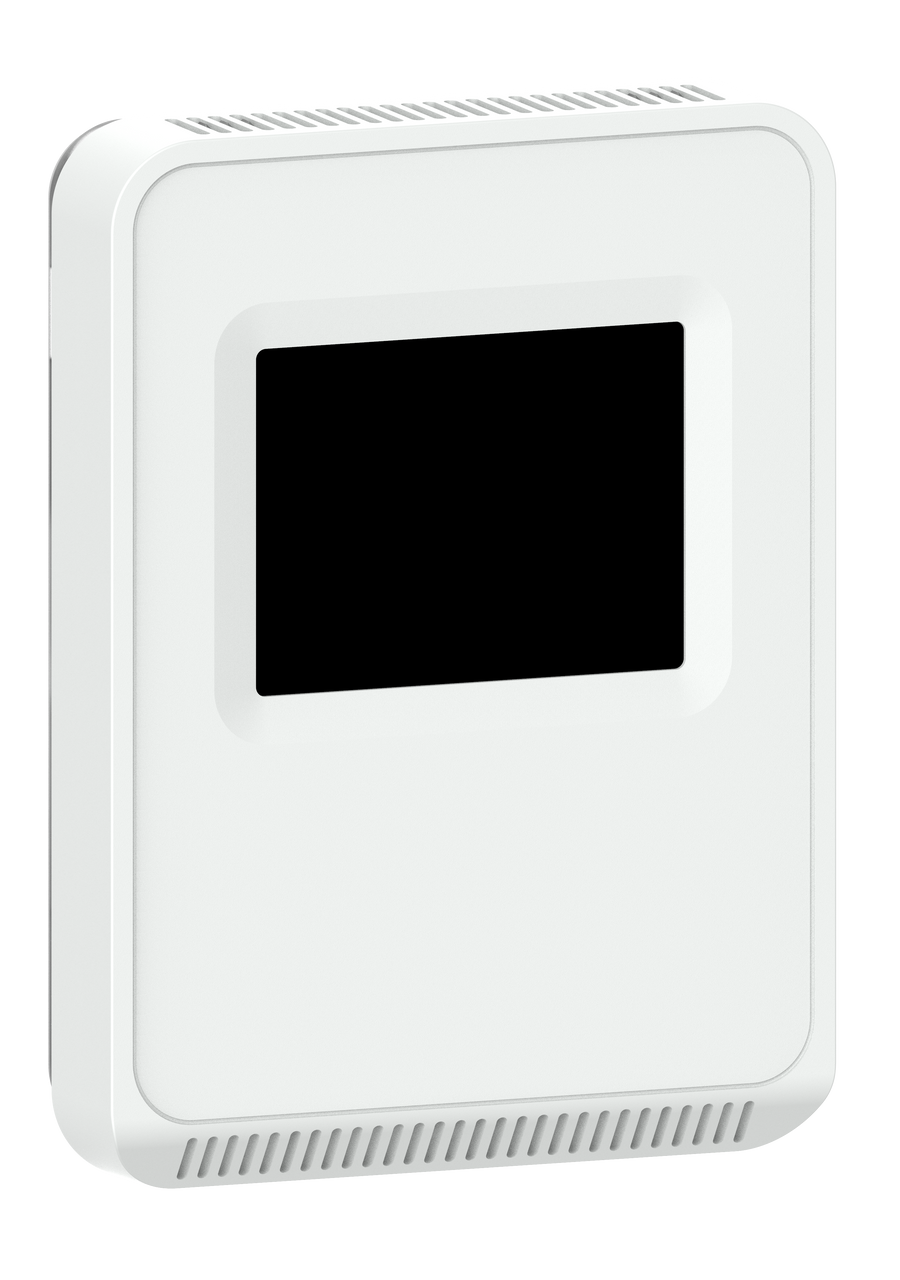 Representative Photo, actual item may vary


Field Controls 46281500 EDH-1 Dehumidistat Control for Eliminator Crawl Space Fan

 Representative Photo, actual item may vary
 Representative Photo, actual item may vary
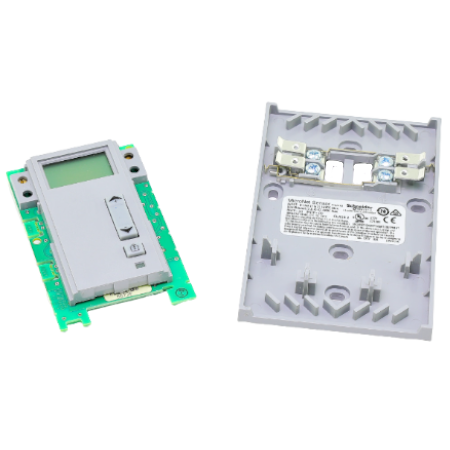 Representative Photo, actual item may vary
Schneider Electric VH7270K1000 Humidistat Controller with 0-10VDC and On/Off Output

Schneider Electric VH7270F1000 Digital Humidistat with 0-10V Output and Outdoor Reset


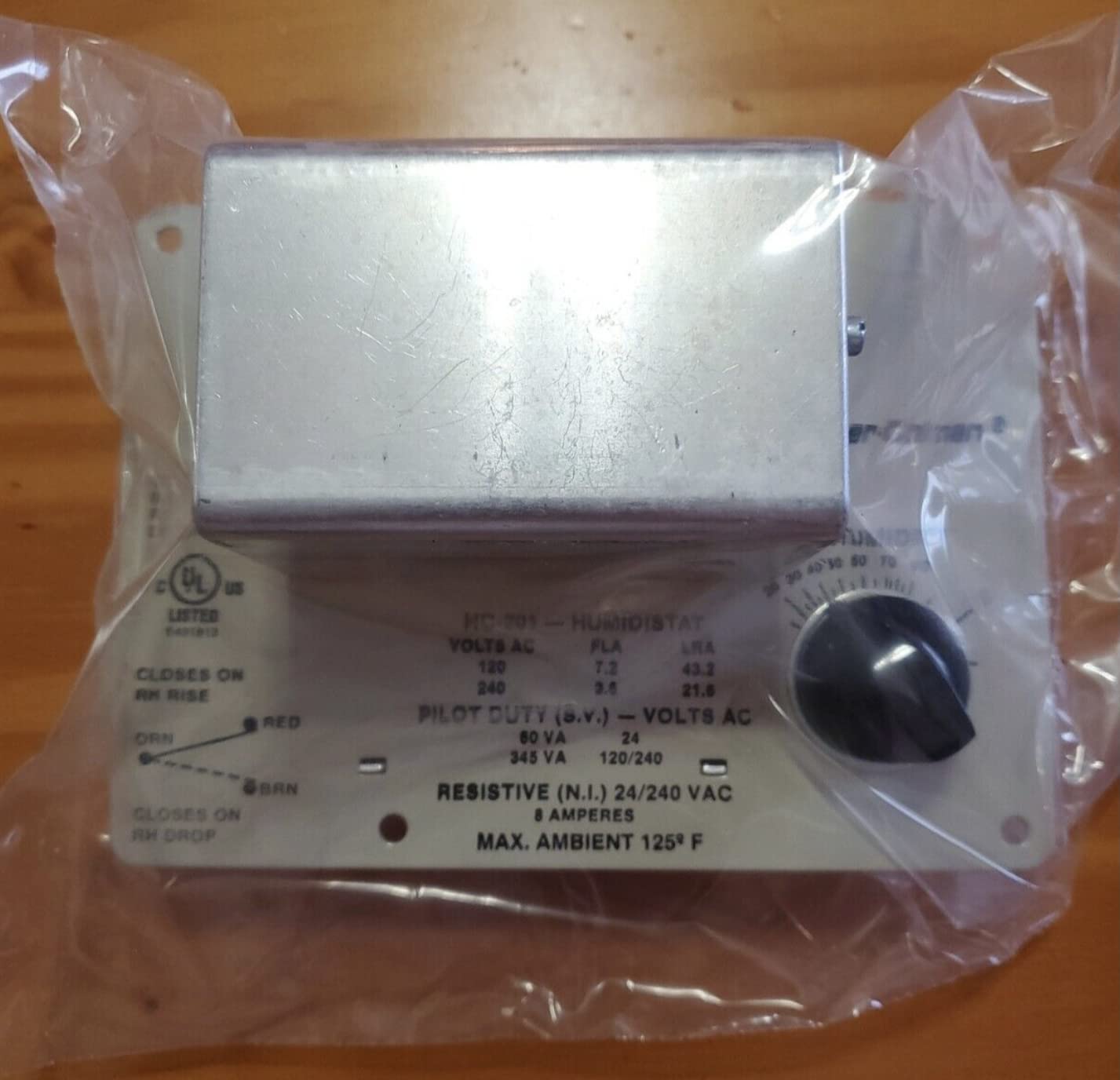 Representative Photo, actual item may vary

MAMAC Systems HU-224-2-VDC Duct Mount Humidity Sensor 2% Accuracy 0-10VDC Output


 Representative Photo, actual item may vary

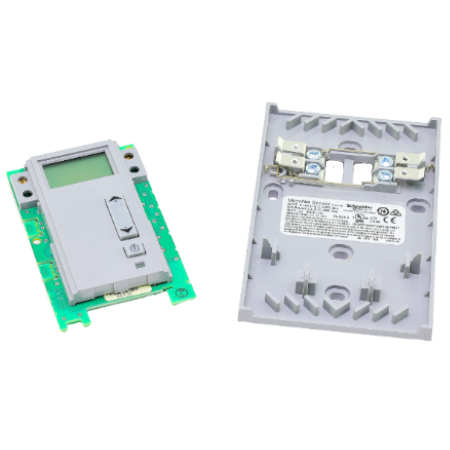 Representative Photo, actual item may vary


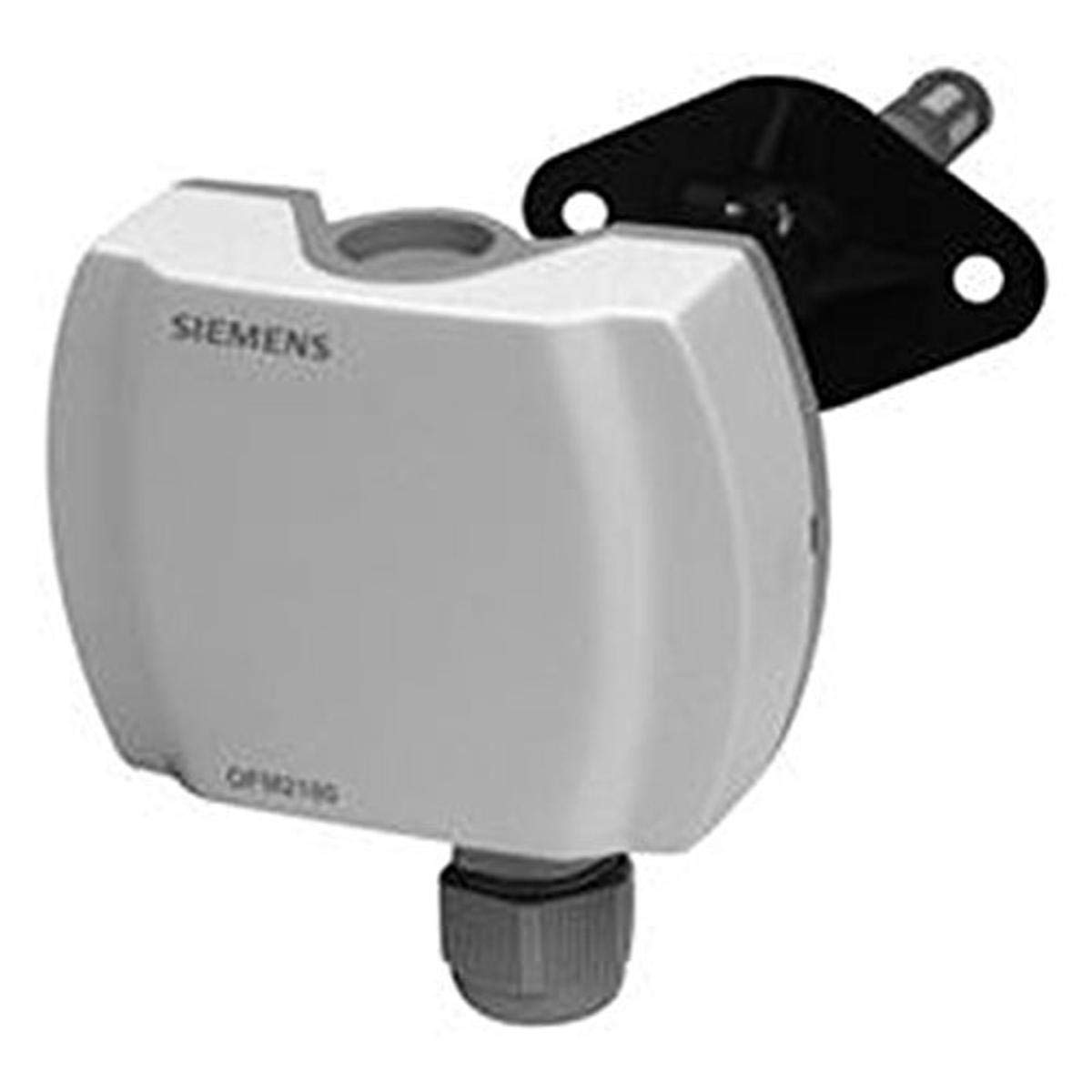 Representative Photo, actual item may vary




 Representative Photo, actual item may vary
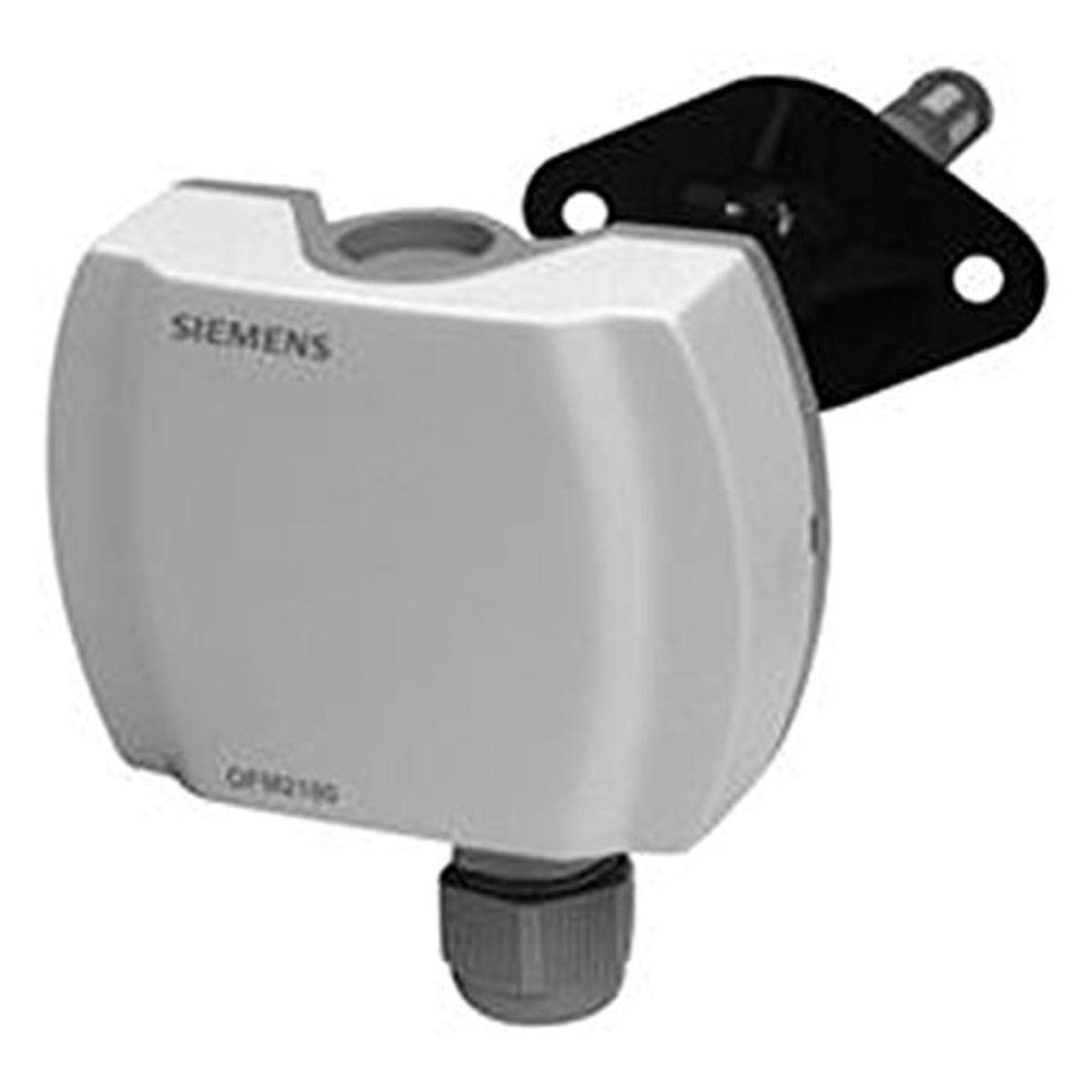 Representative Photo, actual item may vary
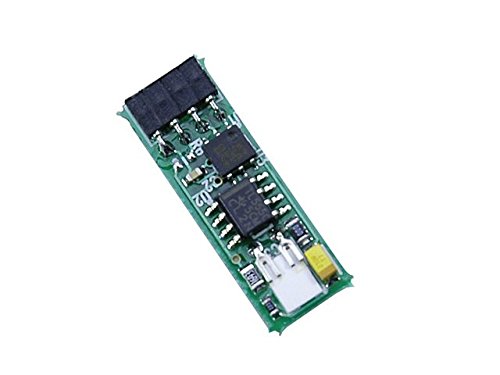 Representative Photo, actual item may vary


Schneider Electric MN-S3HT-500-R MicroNet Temperature Humidity Sensor LCD Display
 Representative Photo, actual item may vary


Veris HS2N HS Series Gen 2 Replaceable Humidity Sensor Element ±2% Accuracy with NIST Calibration Certificate

 Representative Photo, actual item may vary
MAMAC Systems HU-921-MA OEM Unit Mount Humidity Sensor 4-20mA Output 3% RH Accuracy
What Are Humidity Sensors & Humidistats?
Maintaining the right level of moisture in the air is just as critical as regulating temperature — and that's exactly what humidity sensors and humidistats are designed to do. A humidistat (also called a hygrostat) is an electronic device that monitors and controls the level of relative humidity (RH) in a space. It works much like a thermostat, but instead of reacting to temperature, it responds to moisture content in the air and signals connected equipment — humidifiers, dehumidifiers, or ventilation fans — to add or remove moisture as needed.
Why Humidity Control Matters
Indoor air quality experts generally recommend keeping humidity levels between 30% and 50% RH for comfort and health. When humidity strays outside this range, the consequences can be significant. Too little moisture leads to dry skin, irritated nasal passages, and static buildup, while excess humidity can encourage mold growth, damage woodwork, and accelerate corrosion in equipment and structures. In industrial and commercial settings — laboratories, food processing facilities, climate-controlled warehouses, and manufacturing floors — precise humidity control is not just a comfort issue but an operational necessity.
Humidity sensors serve as the intelligence layer in these systems. They detect and measure the moisture content in the air using capacitive, resistive, or thermal conductivity principles, then feed that data to control circuits or building automation systems. Whether integrated into a central HVAC system or installed as standalone wall-mount or duct-mount controllers, these devices form a critical link in any complete climate control solution.
Types of Humidity Sensors & Humidistats
- Wall-Mount Humidistats: Installed in living or work spaces to sample ambient air and trigger whole-house humidifiers or dehumidifiers.
- Duct-Mount Humidistats: Positioned directly in the HVAC ductwork for centralized humidity sensing and control across multiple zones.
- Automatic Digital Controls: Advanced units that factor in outdoor temperature readings to dynamically adjust indoor RH targets, preventing window condensation in cold weather.
- Manual/Mechanical Controls: Reliable mechanical-filament or nylon-sensing-element designs for straightforward, no-frills humidity switching in humidifiers and dehumidifiers.
Top Brands in Humidity Sensors & Humidistats
Ranco is a well-established name in precision humidity controls, best known for the J10 Series humidistats and dehumidistats. Their controls feature improved woven nylon sensing elements and are built for both portable appliances and central HVAC wall or duct mounting.
AprilAire has been a leader in indoor air quality solutions since 1954, offering a wide lineup of automatic and manual humidistats. Their digital automatic controls can factor in outdoor temperature data to continuously fine-tune indoor humidity levels, and many models include service indicator lights for easy maintenance tracking.
Siemens Building Technology brings enterprise-grade reliability to humidity sensing, offering sensors and humidistats suited for commercial building automation and large-scale HVAC integration where precise environmental control is paramount.
Robertshaw is a trusted name in HVAC controls with decades of experience producing reliable switching and sensing components, including humidistats designed for straightforward integration into residential and light commercial systems.
Honeywell is one of the most recognized names in building controls and HVAC automation, offering a broad portfolio of humidity sensing devices that integrate seamlessly with thermostats and building management systems for comprehensive environmental control.
What to Consider When Shopping
Before selecting a humidity sensor or humidistat, consider your voltage requirements (24 VAC vs. line voltage), mounting style (wall, duct, or internal component), and whether you need manual setpoint adjustment or fully automatic outdoor-temperature-compensating control. Also verify compatibility with your existing humidifier or dehumidifier brand and model, as some controls are optimized for specific equipment ecosystems. For larger or multi-zone spaces, look for models with remote sensor capability or dual-setpoint differentials to ensure accurate readings throughout the environment.