


Zone Valves & Hydronic Heating Parts
 Representative Photo, actual item may vary
Danfoss 015G-4042 Tamper Resistant Thermostatic Radiator Valve with Dial and Remote Sensor

 Representative Photo, actual item may vary

 Representative Photo, actual item may vary
Mitsubishi Electric Automotive R61058262 Accessory Heater Kit for Packaged Air Conditioners

 Representative Photo, actual item may vary

Siemens Building Technology 599-06170 Flowrite 2-1/2" Flanged 3-Way Globe Valve 63 Cv Bronze Trim ANSI Class 250

 Representative Photo, actual item may vary

 Representative Photo, actual item may vary
Resideo by Honeywell NK300S-100UP 1/2" Boiler Feed Combination Valve with Union Press Connections
 Representative Photo, actual item may vary
Advanced Distributor Products 76700740 3-Row Hot Water Coil Assembly No Pump B Series

Danfoss 065B-8963 ESBE Type F 4" 3-Way Flanged Mixing Valve 265 Cv Cast Iron
 Representative Photo, actual item may vary

 Representative Photo, actual item may vary

First Company 9-320-446 Hot Water Heating Coil 2-Row 18x16 for 18/24HDX Fan Coils
 Representative Photo, actual item may vary
 Representative Photo, actual item may vary

 Representative Photo, actual item may vary


 Representative Photo, actual item may vary


 Representative Photo, actual item may vary
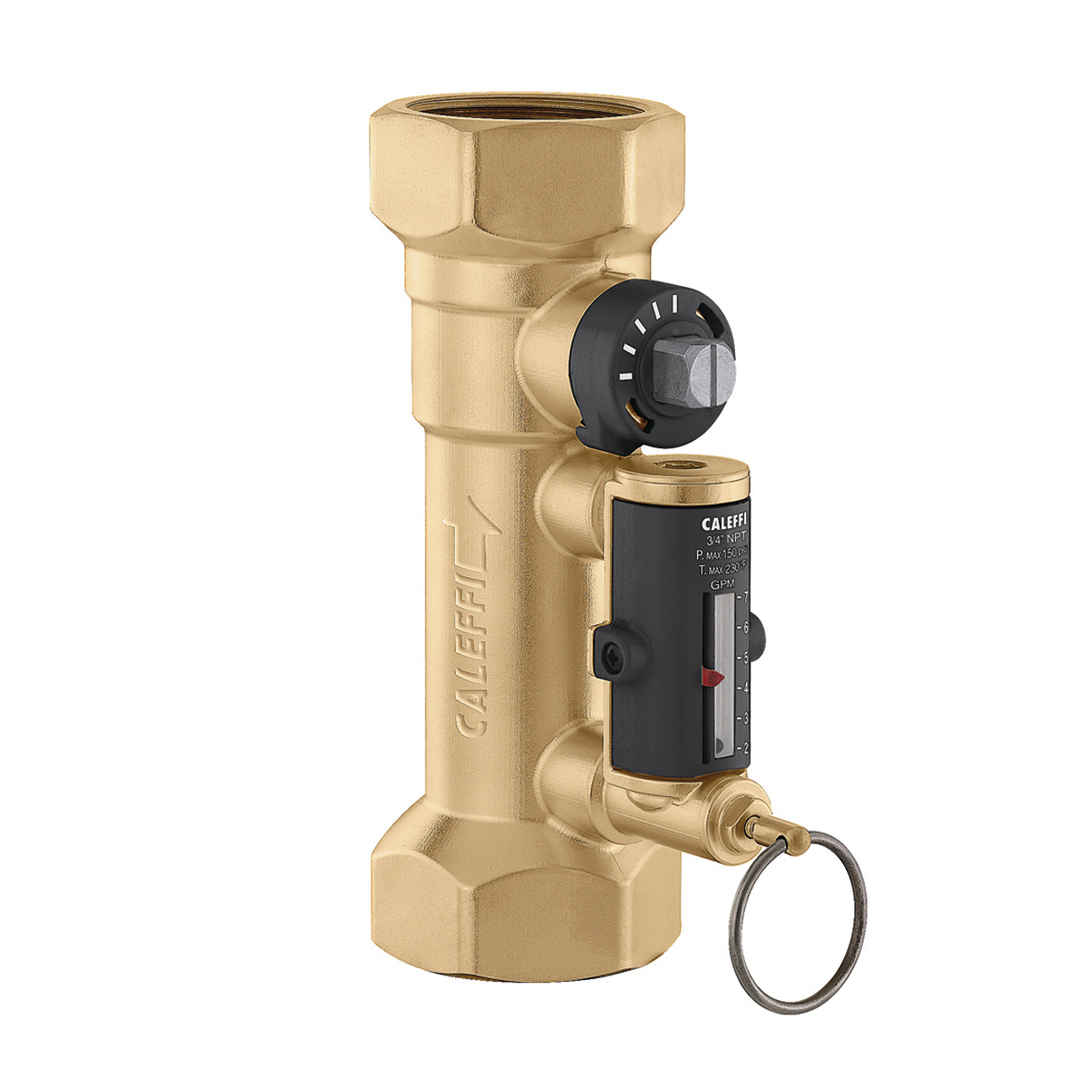 Representative Photo, actual item may vary
 Representative Photo, actual item may vary

 Representative Photo, actual item may vary
 Representative Photo, actual item may vary
Hydronic heating moves hot water from a boiler through baseboard, radiant floor, fan coil or panel radiator loops to warm a building. Zone valves and related hydronic parts are what turn that single heat source into a controlled, room-by-room system. When a thermostat calls for heat, a motorized valve opens only that zone's circuit, so you heat the spaces you're using rather than the whole building.
What Zone Valves Do and Why They Matter
A zone valve is a motorized valve paired with an actuator and controlled by a room thermostat, allowing automatic on/off control of a hydronic circuit. Most are two-way valves that open or close a loop. Three-way versions can divert flow. Because they cycle thousands of times over their service life, a worn actuator, a stuck stem or a weeping valve body can show up as a cold room, a boiler that short-cycles, or a zone that never shuts off.
Beyond the valves themselves, this category covers the parts that support them: replacement actuators and motors, valve bodies, zone control relays and the circulators and pump components that move water through each loop.
Key Considerations When Shopping
- Valve body and actuator compatibility: Many designs separate the body from the actuator, so you can often replace just the motor without draining the system. Confirm the series match before ordering.
- Connection type: Sweat, threaded NPT, press and PEX union connections are all common. Match the size and style already in your piping.
- Two-way or three-way: Two-way valves handle standard zoning. Three-way valves suit diverting or mixing applications.
- Flow capacity (Cv): Choose a Cv rating that suits the zone's flow requirement so the loop isn't starved or noisy.
- Voltage and control type: Most residential systems use 24V actuators. Check whether you need two-position or modulating control and whether an end switch is required to trigger the boiler or circulator.
- Close-off pressure: Higher differential pressure ratings help the valve seal reliably in larger systems.
Top Brands in Hydronic Zoning
Caleffi is an Italian manufacturer founded in 1961 that is known for precision hydronic components. Its Z-one series is a widely installed line of motorized zone valves, and its TwisTop thermo-electric valves offer union connections that make installation and servicing easier.
Erie by Schneider Electric is best known for its PopTop zone valves, whose actuators attach to and release from the valve body with one hand. The Erie line includes two-way and three-way bodies and a range of actuators for heating and cooling applications.
Resideo by Honeywell brings a familiar name in comfort controls to the category. Honeywell-style zone valves are so common in existing installations that other manufacturers publish wiring guides for replacing them, so these parts are often a straightforward swap.
Xylem-Bell & Gossett has served the hydronics trade for over a century, having been founded in Chicago in 1916. Its portfolio spans pumps, valves, heat exchangers and air removal equipment, which makes it a go-to source for the circulators and system components that work alongside zone valves.
Armstrong Fluid Technology is a respected name in hydronic pumping and flow equipment. Its components are a solid option when you need dependable circulation and system parts for residential and light commercial heating loops.
Keeping a Hydronic System Healthy
Clean, properly treated system water extends the life of every moving part in the loop. If a zone is slow to open or a valve is leaking at the stem, replacing the actuator or valve body early can prevent larger problems down the line. Matching the replacement to your existing brand and series is usually the quickest route to a clean, reliable repair.