


Furnace Heat Exchangers

Amana-Goodman 4821401S Primary Heat Exchanger Assembly 14" 3-Cell Stainless Steel


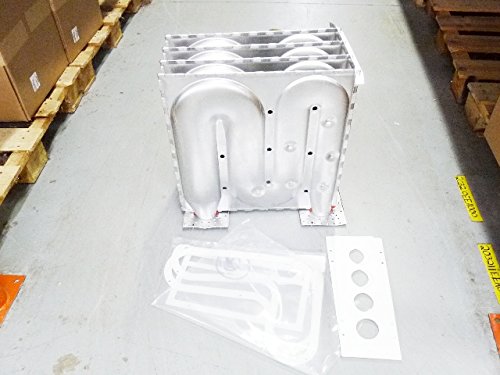 Representative Photo, actual item may vary

 Representative Photo, actual item may vary


International Comfort Products 1172643 Stainless Steel 4-Section Furnace Heat Exchanger with Burner Assembly
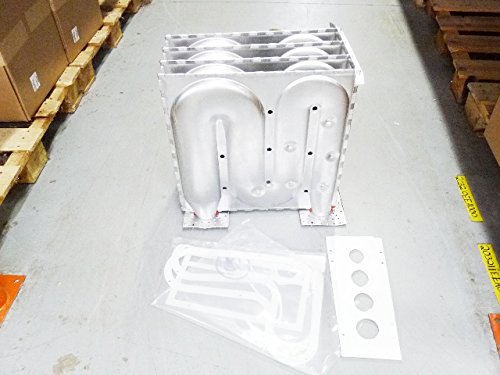 Representative Photo, actual item may vary
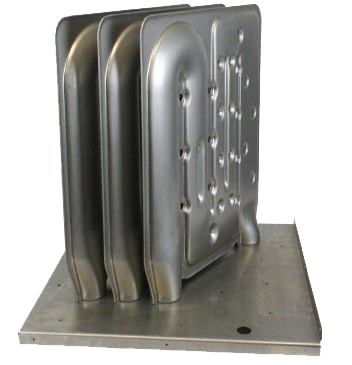 Representative Photo, actual item may vary

 Representative Photo, actual item may vary
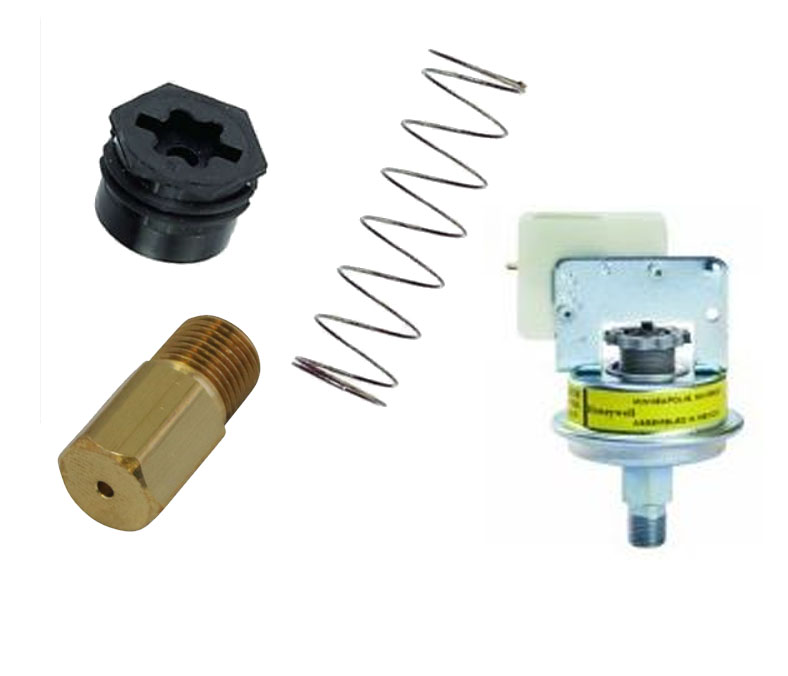 Representative Photo, actual item may vary


International Comfort Products 1171288 Heat Exchanger Assembly for PGE Series Furnaces
 Representative Photo, actual item may vary
 Representative Photo, actual item may vary
 Representative Photo, actual item may vary


 Representative Photo, actual item may vary
Amana-Goodman 4305020S 3-Cell Heat Exchanger for GMVM97 Gas Furnace OEM Replacement

Amana-Goodman 4021309S 4-Cell Furnace Secondary Heat Exchanger OEM Replacement


 Representative Photo, actual item may vary
 Representative Photo, actual item may vary
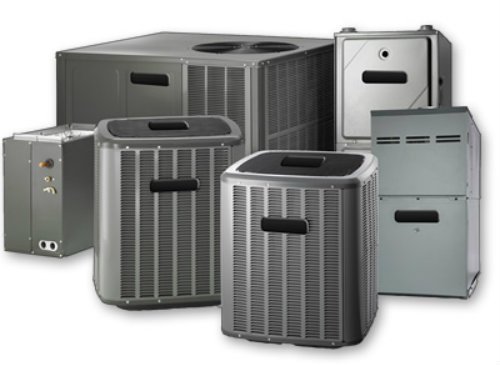 Representative Photo, actual item may vary
Carrier 48DJ660011 Heat Exchanger Kit with Gaskets and Baffles OEM Factory Authorized Part
 Representative Photo, actual item may vary


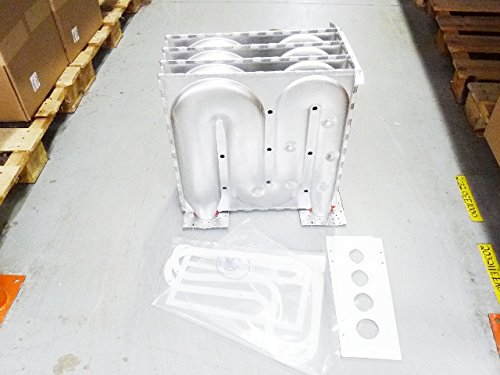 Representative Photo, actual item may vary
International Comfort Products 1172644 Heat Exchanger Tube 3-Section Stainless Steel with Burner Assembly
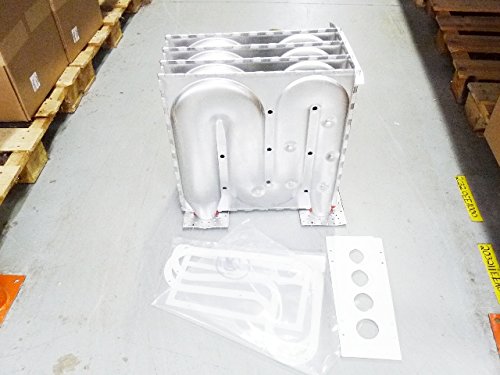 Representative Photo, actual item may vary
 Representative Photo, actual item may vary
Amana-Goodman 0257F20090S Heat Exchanger Assembly with 1/2" NPT Steel Construction
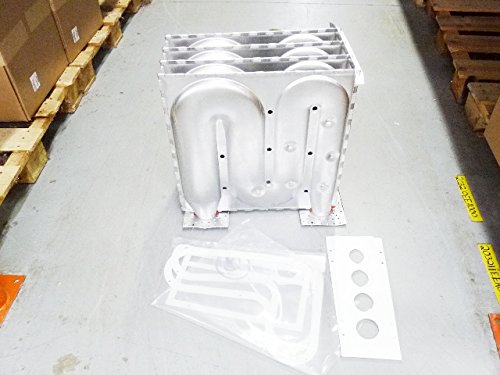 Representative Photo, actual item may vary
International Comfort Products 1193870 Secondary Condensing Heat Exchanger Kit
 Representative Photo, actual item may vary

 Representative Photo, actual item may vary

 Representative Photo, actual item may vary

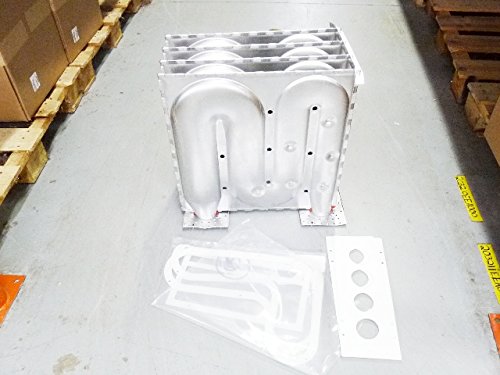 Representative Photo, actual item may vary


 Representative Photo, actual item may vary
 Representative Photo, actual item may vary


 Representative Photo, actual item may vary

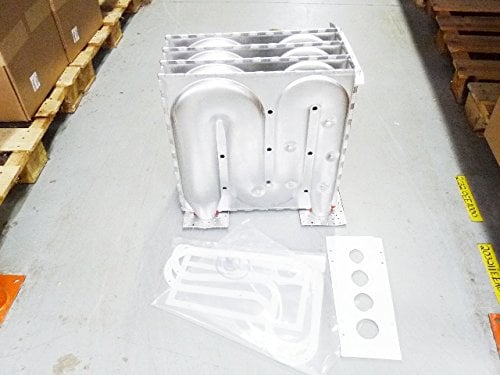 Representative Photo, actual item may vary
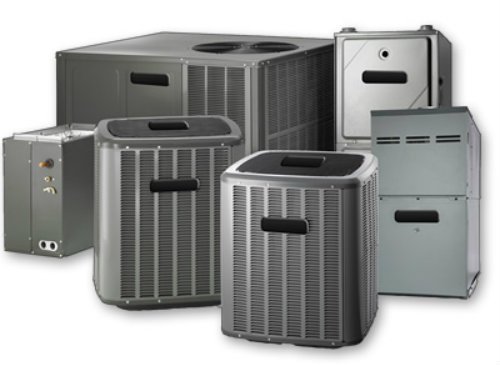 Representative Photo, actual item may vary
 Representative Photo, actual item may vary


Carrier 334357-755 Secondary Heat Exchanger for High-Efficiency Gas Furnaces
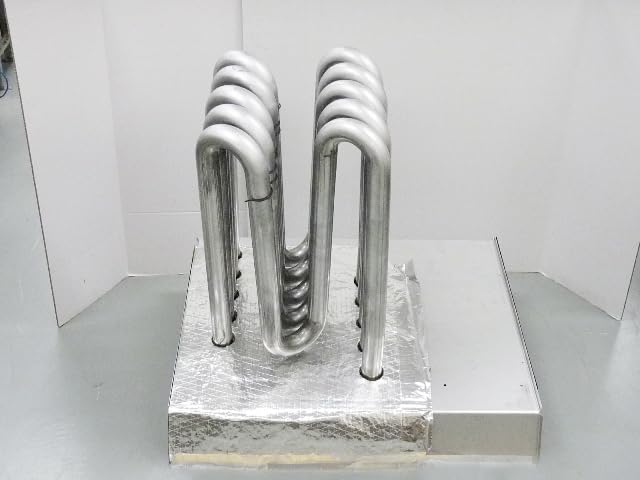 Representative Photo, actual item may vary

 Representative Photo, actual item may vary

 Representative Photo, actual item may vary
Amana-Goodman 4305008S 4-Cell Gas Furnace Heat Exchanger OEM Replacement Part
 Representative Photo, actual item may vary
What Is a Furnace Heat Exchanger?
The heat exchanger is the most safety-critical component inside your furnace. Furnace heat exchangers are sealed metal assemblies positioned between the combustion chamber and the blower. When the burner fires, combustion gases travel through the heat exchanger's metal walls, transferring their thermal energy outward. Meanwhile, your home's return air is pushed across the outside of those hot walls by the blower fan, picks up the heat, and is distributed through your ductwork — all without ever coming into direct contact with combustion byproducts.
That separation is what makes the heat exchanger so vital. It simultaneously delivers warm air to your living spaces and keeps toxic exhaust gases — including carbon monoxide — safely isolated and vented outside. A crack, hole, or failure in this component can allow combustion gases to mix with household air, creating a serious health and safety hazard.
Primary vs. Secondary Heat Exchangers
Not every furnace uses the same configuration. Standard, lower-efficiency furnaces rated at around 80% AFUE rely on a single primary heat exchanger. High-efficiency condensing furnaces rated at 90% AFUE or above add a secondary heat exchanger that captures additional heat from the exhaust gases before they are vented — extracting so much heat that water vapor condenses out of the flue gases, releasing even more thermal energy in the process. This dual-exchanger design is a key reason why high-efficiency furnaces deliver dramatically lower fuel bills compared to standard models.
Signs You Need a Replacement Heat Exchanger
- Visible cracks or corrosion on the exchanger surface
- Unusual rattling or banging when the furnace cycles on, caused by metal expanding and contracting around a crack
- A yellow or orange burner flame instead of a steady blue flame, which can indicate combustion gas contamination
- Carbon monoxide detector alerts near the furnace room
- Soot buildup around the heat exchanger or burner assembly
- Frequent unexpected shutdowns or erratic furnace behavior
When any of these warning signs appear, a qualified HVAC technician should inspect the system before further operation. In many cases, a cracked heat exchanger is not repairable and the component must be replaced.
Choosing the Right Replacement Heat Exchanger
Furnace heat exchangers are highly model-specific. Before ordering, confirm your furnace's brand, full model number, serial number, and fuel type (natural gas, propane, or oil). The shape, size, tube configuration, and venting path of an exchanger are engineered for a narrow range of compatible furnace models, so always match the OEM part number to your equipment documentation. Condensing furnaces may require both a primary and secondary exchanger assembly.
Top Furnace Heat Exchanger Brands
Lennox is one of the HVAC industry's most recognized names, offering furnace lines spanning from 80% to 98.7% AFUE efficiency. Lennox engineers proprietary heat exchanger designs — including their Duralok™ and Duralok Plus™ assemblies — crafted from specialized steel alloys for long-term durability in both standard and high-efficiency condensing applications.
Trane has been innovating in the heating industry since the late 1800s and is widely respected for the durability and performance of its furnace components. Trane heat exchangers are purpose-built to match the combustion and airflow design of specific Trane furnace models, making genuine OEM replacement parts critical for maintaining system efficiency and safety.
Rheem-Ruud represents two complementary brands under the same manufacturing umbrella. Rheem Manufacturing is one of the largest HVAC producers in North America, and their heat exchangers — sold under both the Rheem and Ruud labels — are engineered to support the company's wide range of gas furnace platforms, with a strong focus on energy efficiency and system reliability.
International Comfort Products (ICP) is an American HVAC manufacturer with roots going back to 1900, now part of Carrier Global. ICP produces heat exchangers for a broad portfolio of residential and commercial furnace models sold under multiple brand names, making their OEM replacement parts essential for a wide range of installed equipment in the field.