


Radiators & Components







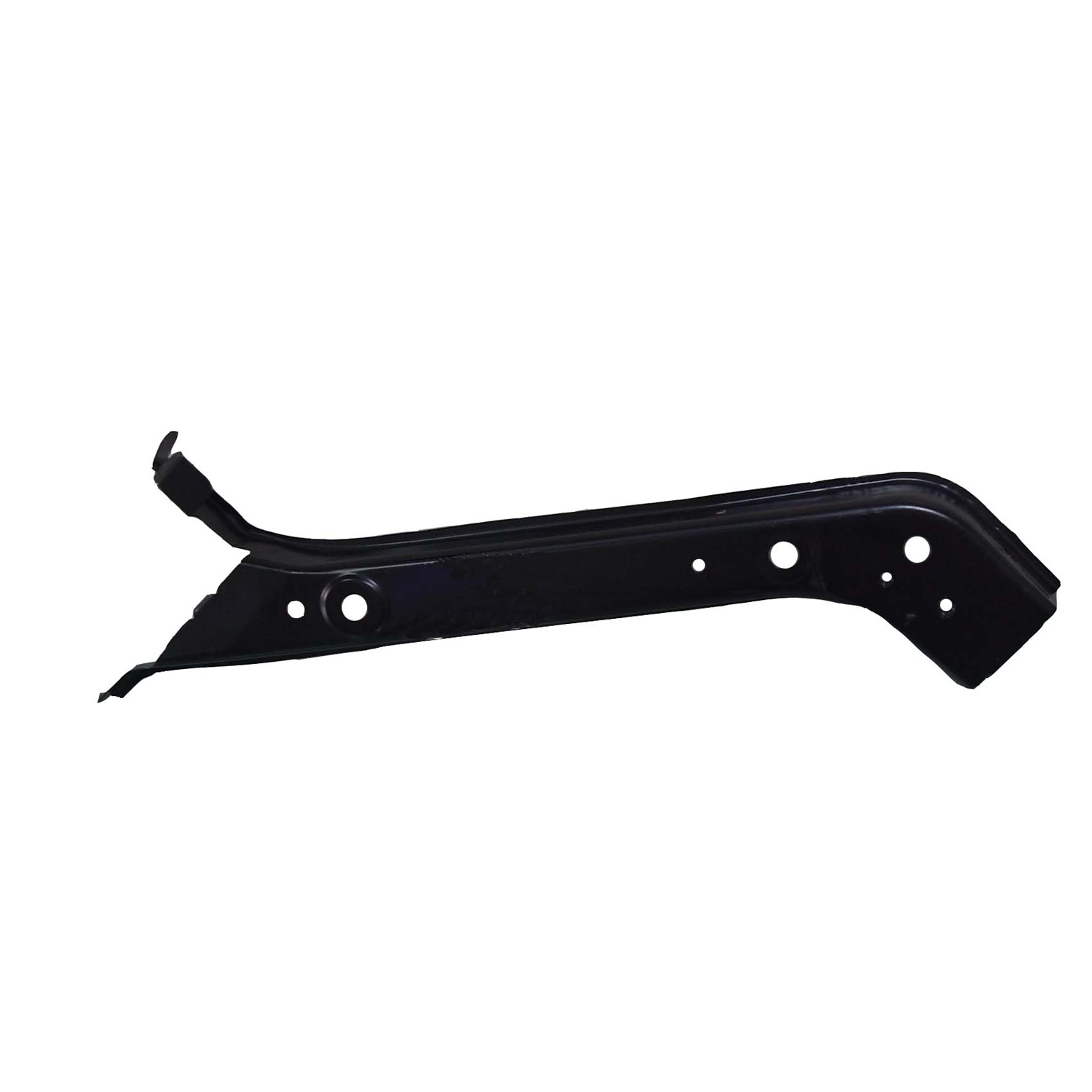 Representative Photo, actual item may vary



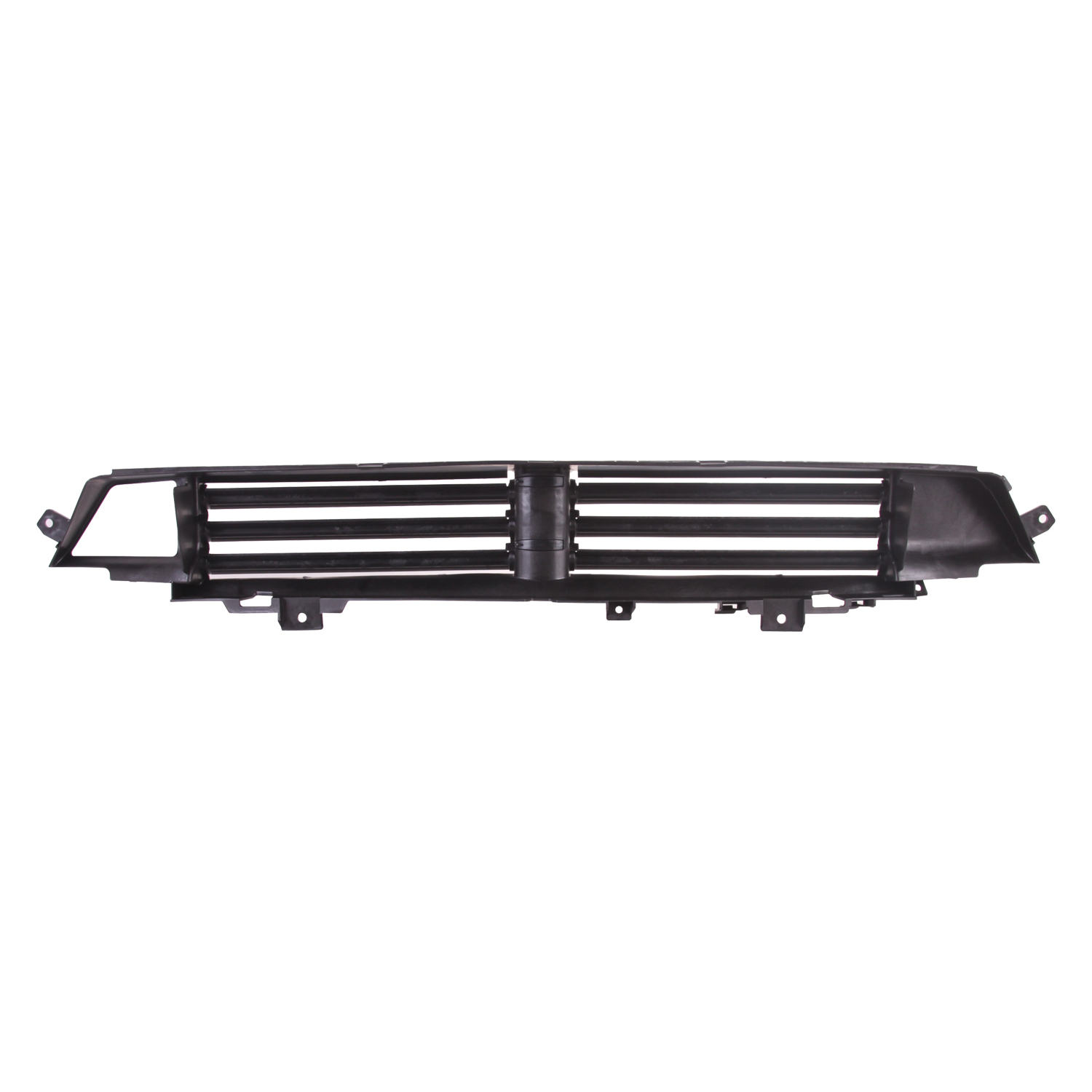 Representative Photo, actual item may vary
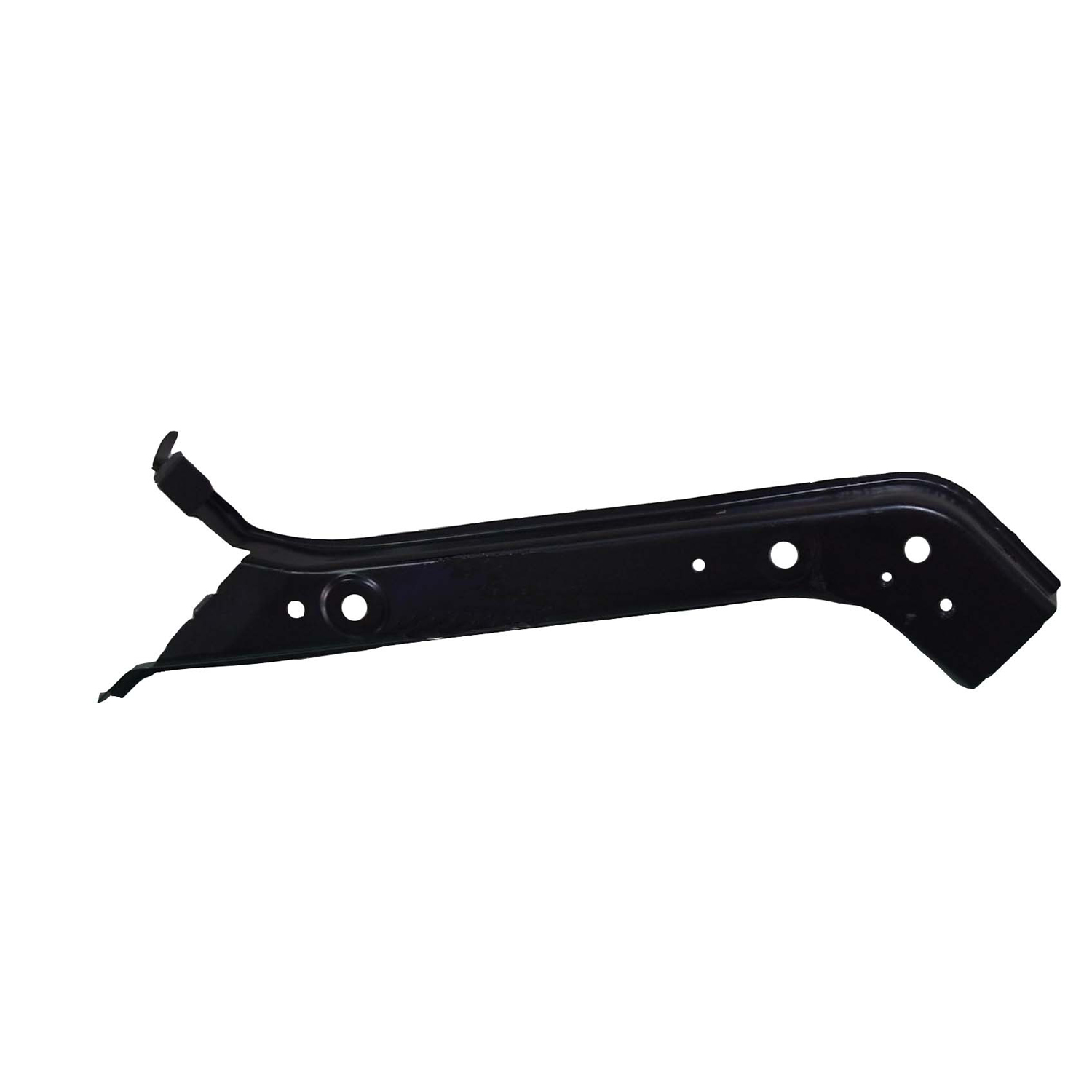 Representative Photo, actual item may vary
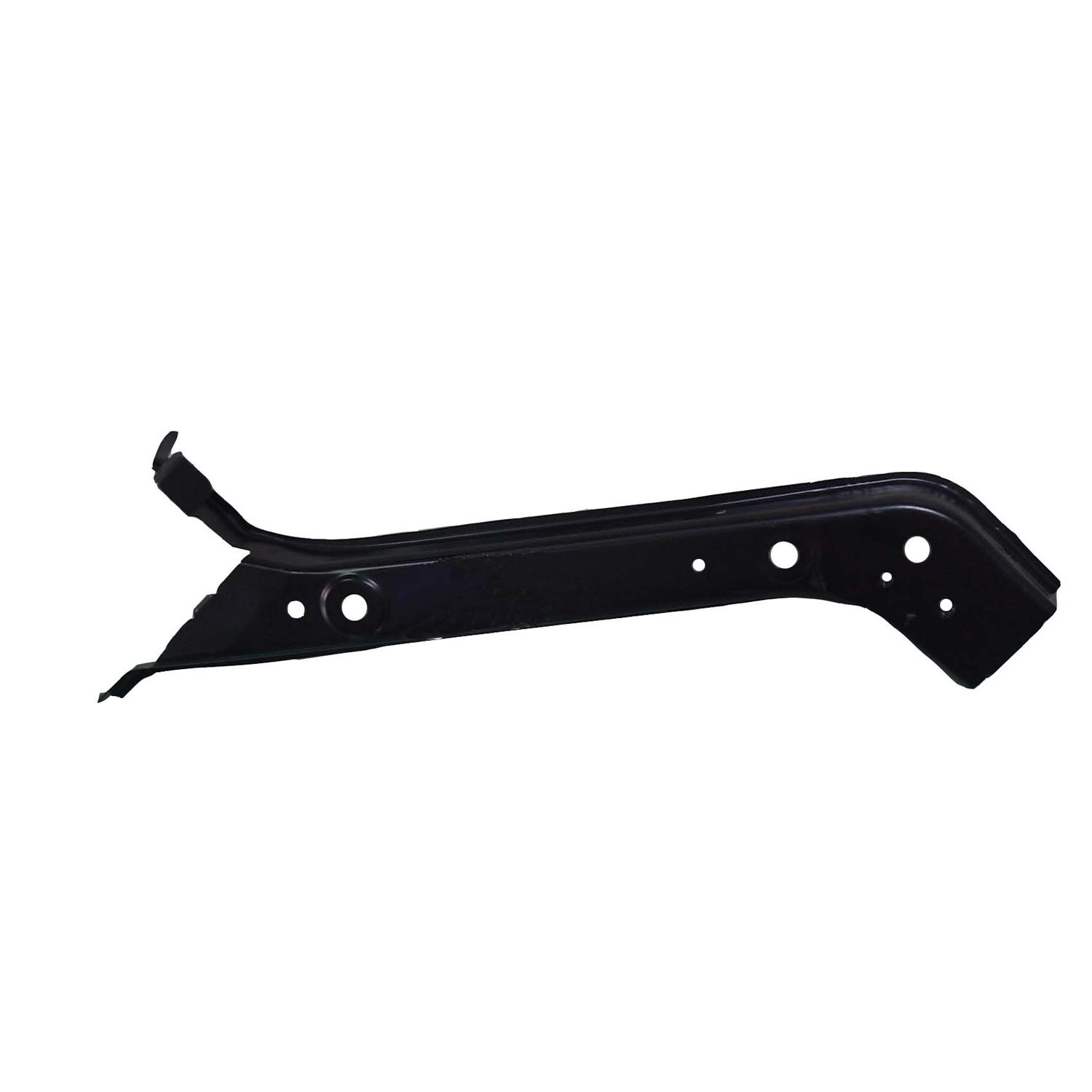
Keystone BM1225132 Radiator Support Upper Panel - Aluminum Construction

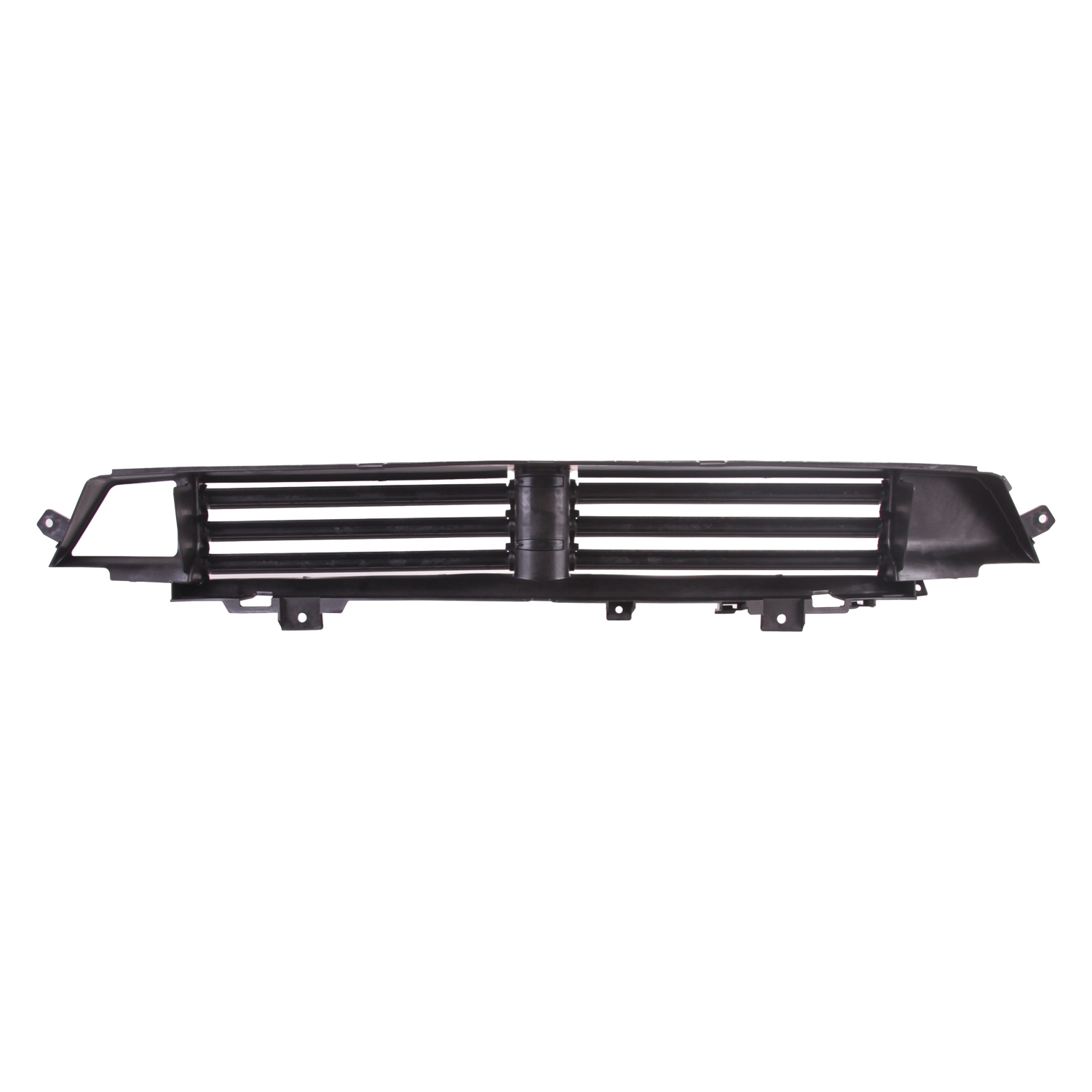 Representative Photo, actual item may vary


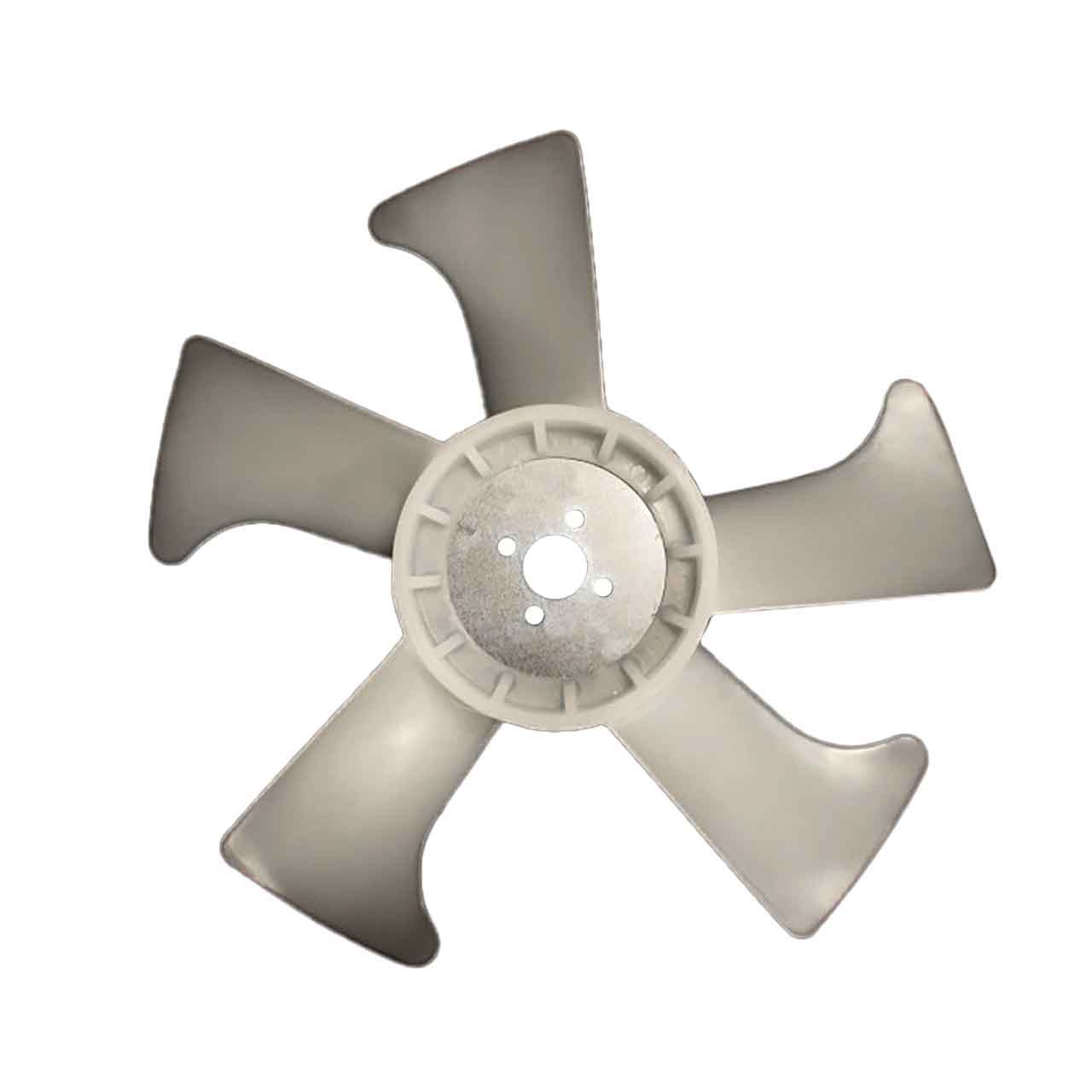 Representative Photo, actual item may vary
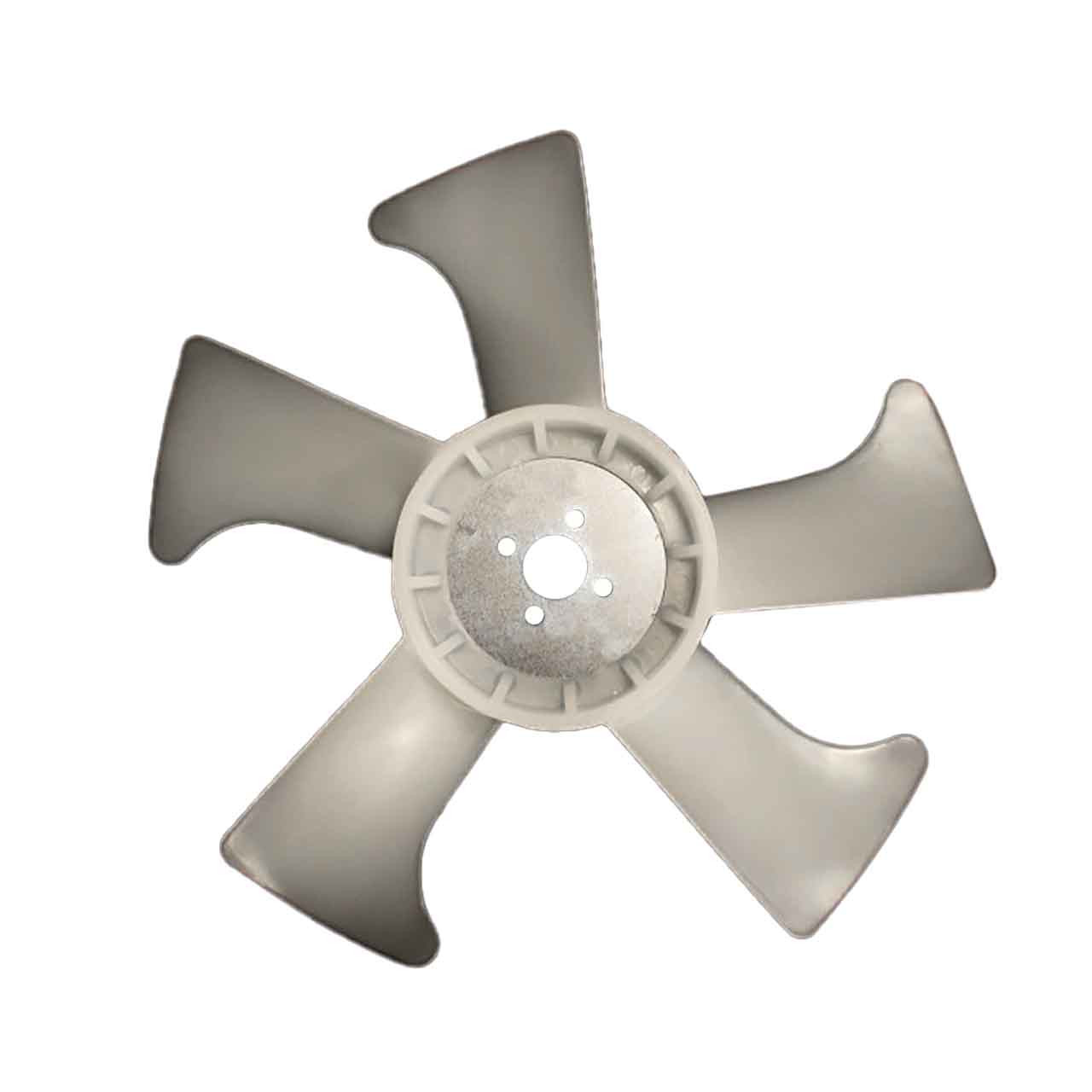 Representative Photo, actual item may vary
 Representative Photo, actual item may vary

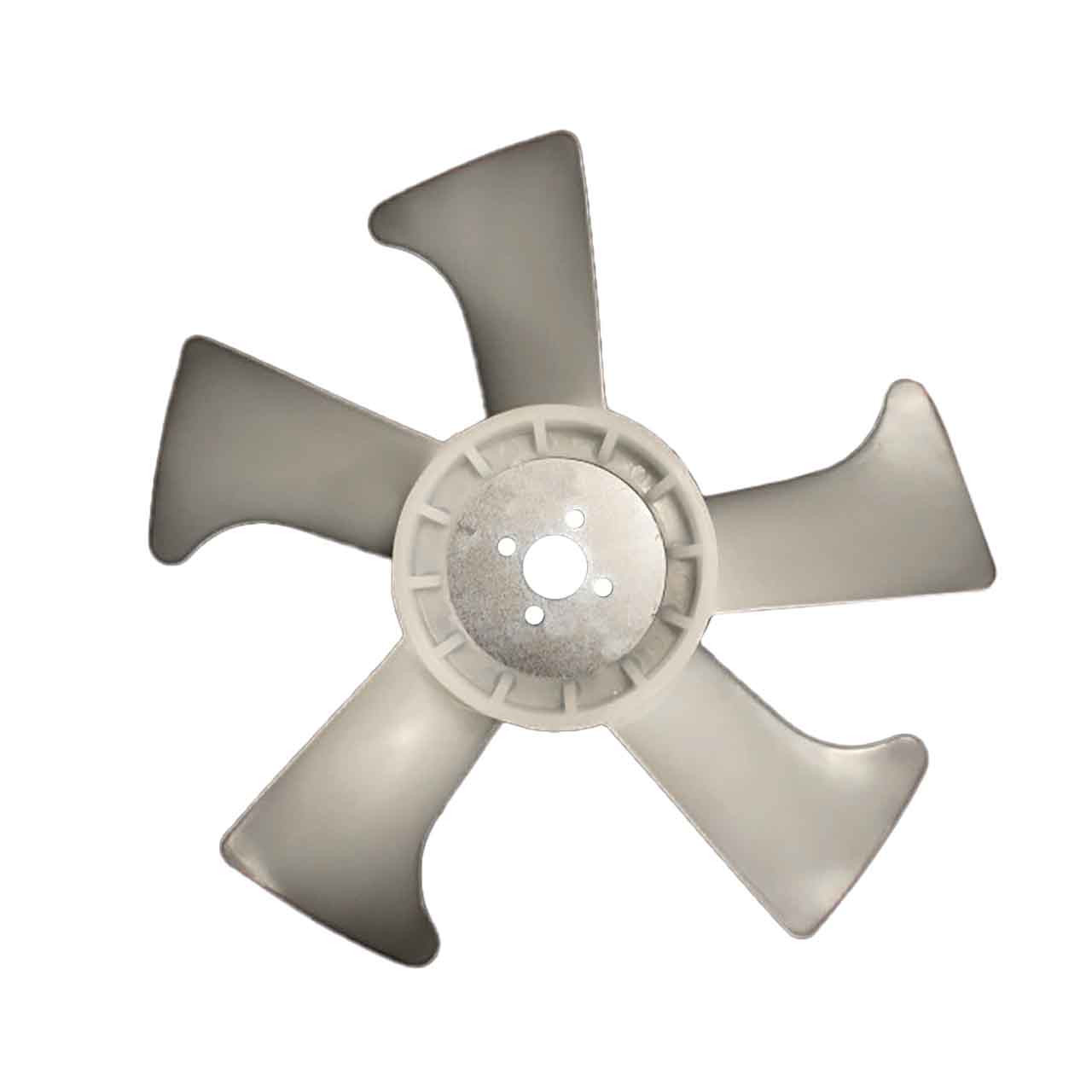 Representative Photo, actual item may vary
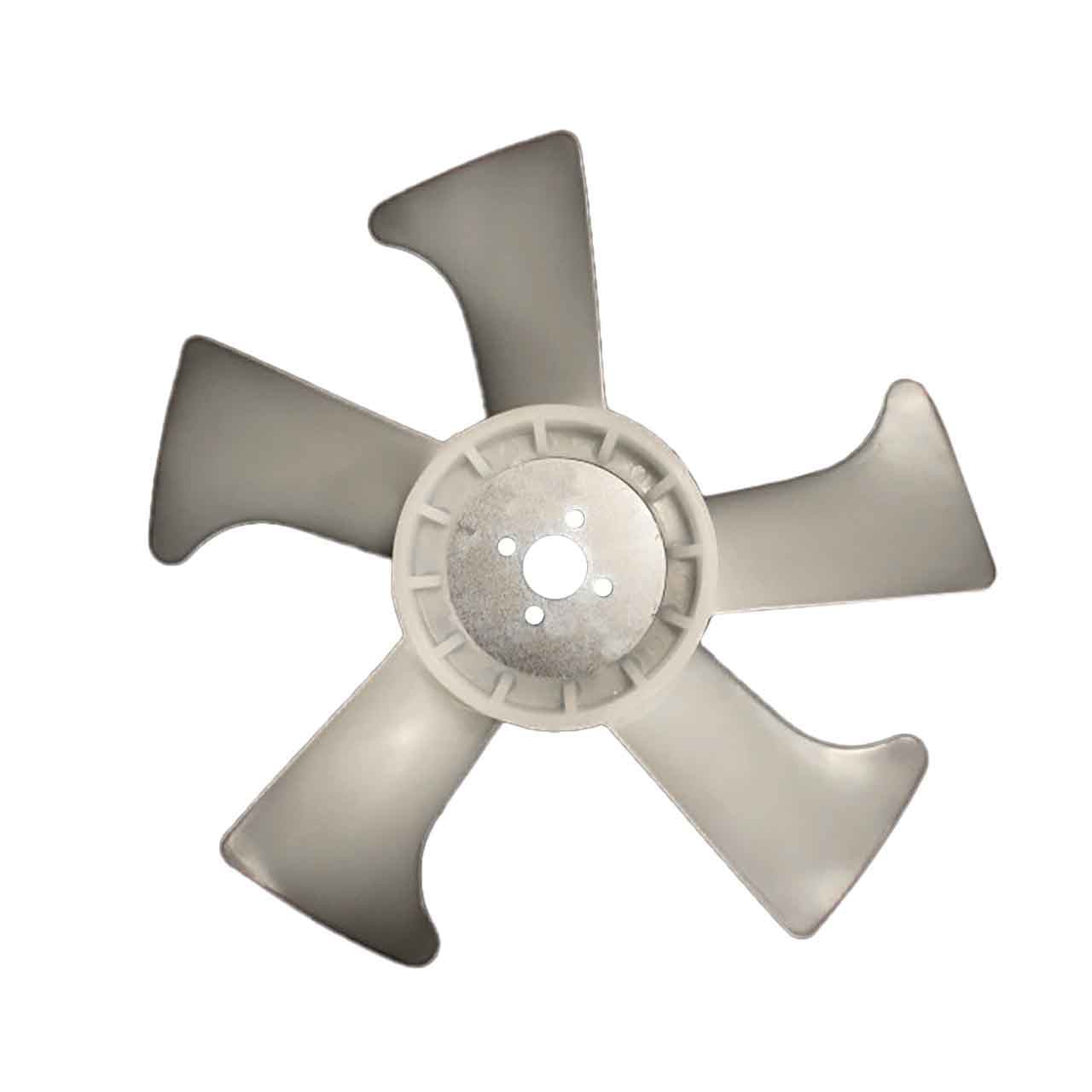 Representative Photo, actual item may vary


 Representative Photo, actual item may vary

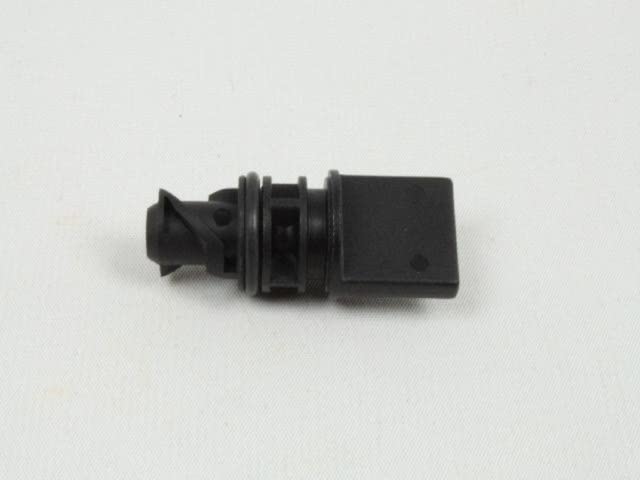
Navien 30024771A Heat Exchanger Outlet Pipe for NPE Series Tankless Water Heaters
 Representative Photo, actual item may vary

 Representative Photo, actual item may vary
 Representative Photo, actual item may vary
Why Your Radiator Is One of the Most Critical Engine Parts
Every internal combustion engine generates enormous heat during normal operation — heat that, left unmanaged, would quickly destroy pistons, seals, and metal surfaces alike. The radiator is the cornerstone of the engine cooling system, working continuously to transfer that thermal energy away from the engine and into the surrounding air. Understanding how radiators and their related components function — and when to replace them — is essential knowledge for any vehicle or equipment owner.
How Radiators and Cooling Components Work Together
The cooling system is a carefully balanced loop. A water pump drives a mixture of water and antifreeze through passages in the engine block, where it absorbs heat. That hot coolant then travels through hoses to the radiator, where it flows through a network of narrow tubes lined with thin metal fins. As air passes over those fins — either from vehicle motion or a radiator cooling fan — the heat dissipates into the atmosphere. The now-cooled fluid cycles back to start the process again.
Beyond the radiator core itself, the system relies on several supporting components to operate correctly:
- Radiator hoses – Carry coolant between the engine and radiator; rubber degrades over time and should be inspected regularly for cracks or swelling.
- Radiator caps – Maintain system pressure, raising the boiling point of the coolant; a faulty cap can cause boil-over even when coolant levels are fine.
- Overflow/coolant reservoir tanks – Capture expanding coolant and return it to the system once the engine cools.
- Thermostat housings – House the thermostat that regulates when coolant begins to flow through the radiator loop.
- Cooling fans and fan brackets – Ensure airflow through the radiator at low vehicle speeds or when stationary.
Key Considerations When Buying Radiator Parts
The most important factor is fitment. A radiator or component that does not match OEM specifications for tank size, tube count, inlet/outlet diameter, and bracket placement will not perform correctly and may not install without modification. For standard replacements, OEM-spec parts restore factory cooling capacity and integrate seamlessly with existing hoses, fans, and shrouds. For performance-modified or high-output engines, upgraded core materials — such as all-aluminum construction — can offer improved heat dissipation over stock designs.
Also consider the age and condition of surrounding components. If a radiator has failed due to age, the hoses and radiator cap are likely near the end of their service life as well. Replacing these items together reduces the chance of a secondary failure shortly after the repair.
Top Brands in Radiators & Components
Mopar Performance is the factory-backed parts and performance division for Chrysler, Dodge, Jeep, and Ram vehicles, supplying radiators and cooling components engineered to OEM design specifications for consistent fit and reliable heat dissipation across the full lineup of FCA/Stellantis platforms.
Keystone offers one of the broadest selections in this category, making them a go-to source for those who need coverage across a wide variety of makes, models, and equipment types.
Briggs & Stratton brings its trusted OEM engineering to the outdoor power equipment segment, supplying genuine radiator assemblies, fan-radiator units, brackets, and mounting hardware designed to keep small engines in mowers, generators, and trimmers running at optimal temperatures.
Genuine Porsche parts are engineered to the exacting tolerances demanded by high-performance sports car platforms, ensuring that cooling components meet the precise thermal management requirements of Porsche engines.
ACDelco is GM's trusted OEM and aftermarket parts brand, long recognized for producing cooling system components — including radiators and related hardware — that meet the demanding standards of General Motors vehicle applications.