


 Fuel Fittings
293
 Fuel Parts & Accessories
192
 Fuel Valves
130
 Fuel Line Assemblies
107
 Fuel Hose - Bulk
104
 Gauges & Sending Units
98
 Diesel Fuel Filters
57
 Funnels
57
 Portable/Topside Tanks
43
 Primer Bulbs
40
 Tank Vents/Surge Protector
38
 Siphon Hoses & Fuel Pumps
25
 Hose Clamps
21
 Portable Fuel Cans
17
 Permanent/Below Deck Tanks
15
 Tank Hold Down/Installation Kits
15
 Gasoline Filters
12
 Anti-Siphon Valves
4
 In-line Filters
3
 Fuel/Air Separators
2
 Hose Menders
2
 Carbon Cannisters
1


 Representative Photo, actual item may vary
Attwood Marine 88FBMA102-6 Universal Aluminum Fuel Hose Fitting 3/8" NPT x 3/8" Barb

Attwood Marine 99DFCCSZ1S Deck Fill for Carbon Canister System with Straight Body and Scalloped Chrome Cap


 Representative Photo, actual item may vary

 Representative Photo, actual item may vary
 Representative Photo, actual item may vary
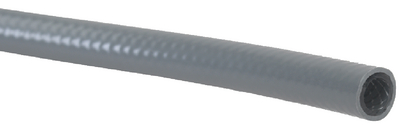 Representative Photo, actual item may vary

 Representative Photo, actual item may vary


Trident Hose 329-1124 Type A2 Corrugated Marine Fuel Fill Hose 1-1/2" ID x 12.5 ft

 Representative Photo, actual item may vary


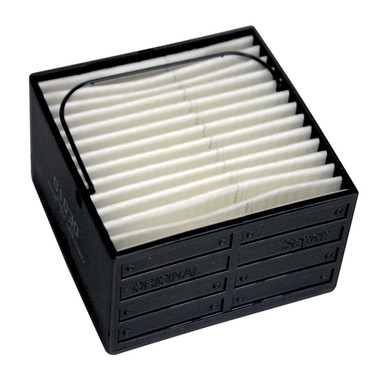 Representative Photo, actual item may vary

The Complete Marine Fuel System: What It Is and Why It Matters
Whether you're powering a small fishing skiff or a large cruiser, a properly designed and maintained fuel system is the backbone of every reliable voyage. Marine fuel systems are far more demanding than their automotive counterparts — they must withstand constant vibration, saltwater exposure, temperature extremes, and the corrosive effects of ethanol-blended fuels, all while operating in an environment where engine failure can have serious consequences. From the tank that stores your fuel to the filters that protect your engine from contamination, every component plays a critical role in keeping you safe and on the water.
This category covers the full spectrum of marine fuel system products. Whether you're outfitting a new build, replacing aging hardware, or upgrading filtration for better engine protection, understanding the key components helps you make the right choices.
Key Subcategories to Explore
Storage is the foundation of any fuel system. Permanent/Below Deck Tanks are engineered for long-term installation in the hull of a vessel, typically built from rotationally molded polyethylene or aluminum to resist corrosion and withstand the stresses of extended marine use. Capacity, shape, and regulatory compliance (EPA/ABYC/NMMA) are all critical factors when selecting a below-deck solution. For boaters who need flexibility or have smaller vessels, Portable/Topside Tanks offer a practical alternative — easily removable, refillable on the dock, and available in a range of capacities to suit outboards and center consoles alike.
Protecting your engine from contaminated fuel is just as important as storing it correctly. Diesel Fuel Filters and water separators are essential for diesel-powered vessels, removing particulates, water, and other contaminants before they can cause injector damage or engine failure. Fuel Valves give you manual control over fuel flow, allowing you to isolate tanks, switch between multiple fuel sources, and safely shut off supply during service or storage. Rounding out the system, Fuel Parts & Accessories encompass the fittings, hoses, primer bulbs, sending units, vents, and other components that connect every element into a complete, properly functioning fuel system.
Top Brands in Marine Fuel
Moeller is the dominant name in marine fuel systems. Moeller Marine has been the industry standard in fuel system design and construction for over 25 years, producing rotationally molded polyethylene tanks engineered to endure ethanol-blended fuels and long-term marine exposure. Their lineup spans portable topside tanks, permanent below-deck tanks, fuel senders, filters, valves, and fuel line assemblies — a truly comprehensive portfolio for builders and boaters alike.
Racor is the gold standard in marine fuel filtration. For over 40 years, Racor has engineered top-quality filters protecting marine diesel and gasoline engines from contaminants, with their Turbine Series and Aquabloc® filter technology delivering industry-recognized three-stage water separation and particulate removal that safeguards even the most demanding diesel applications.
Sierra is a trusted OEM-grade supplier of marine engine parts and fuel system components, offering an extensive catalog of filters, fuel pumps, sending units, and accessories that cross-reference to major engine brands — making them a go-to choice for maintenance and replacement applications across a wide variety of vessels.
Seachoice offers a broad range of affordable marine fuel accessories, from hose fittings and primer bulbs to fuel valves and connectors. Their wide product variety makes them a practical source for completing a fuel system build or stocking up on commonly replaced wear items.
Scepter brings over 70 years of container innovation to the marine market. Scepter portable marine fuel tanks are molded from UV-stabilized, cross-linked polyethylene, meet ABYC/EPA/CARB standards, and are trusted by major OEM engine manufacturers including BRP, Mercury, Honda, Yamaha, and Suzuki — making them a benchmark for portable fuel tank quality and compliance.
Choosing the Right Fuel System Components
When shopping for marine fuel components, always consider regulatory compliance first — tanks and fuel system parts should meet EPA, CARB, and ABYC standards to ensure legal use and safety. For tanks, evaluate capacity, dimensions, and material compatibility with ethanol-blended fuels. For filtration, match the micron rating and flow rate to your engine manufacturer's specifications. And for any fuel system work on a vessel, using marine-rated, USCG-compliant materials is essential — automotive parts are not a substitute on the water.