


Clutch Pressure Plate


 Representative Photo, actual item may vary


 Representative Photo, actual item may vary
 Representative Photo, actual item may vary
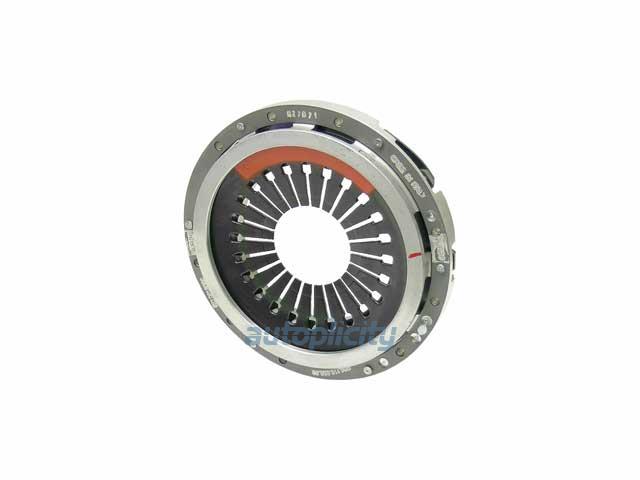
Sachs 00 3002 002 120 Racing Clutch Pressure Plate for Porsche 996/997 Cup RSR


 Representative Photo, actual item may vary


 Representative Photo, actual item may vary
 Representative Photo, actual item may vary
 Representative Photo, actual item may vary
 Representative Photo, actual item may vary
 Representative Photo, actual item may vary

 Representative Photo, actual item may vary


 Representative Photo, actual item may vary


 Representative Photo, actual item may vary


 Representative Photo, actual item may vary
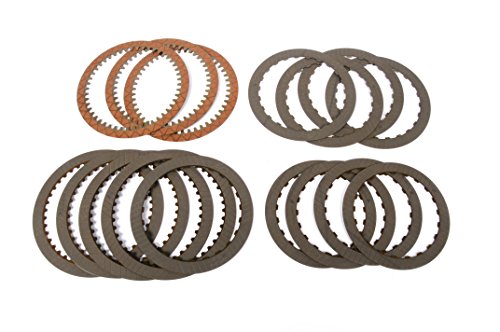 Representative Photo, actual item may vary


ACT MZ010 Heavy Duty Performance Clutch Pressure Plate Diaphragm-Style 240mm


 Representative Photo, actual item may vary
 Representative Photo, actual item may vary
 Representative Photo, actual item may vary
What Is a Clutch Pressure Plate?
Clutch pressure plates are one of the most critical components in any manual transmission system. The pressure plate is the mechanism that transfers engine torque to the transmission input shaft through the clutch disc, acting as the central link between your engine's power and your vehicle's drivetrain. Without a properly functioning pressure plate, smooth, reliable gear changes simply aren't possible.
At its core, the pressure plate works in concert with the flywheel and clutch disc. When your foot is off the clutch pedal, the pressure plate clamps the clutch disc tightly against the flywheel, locking the engine to the transmission input shaft so power flows to the wheels. Press the clutch pedal, and the release bearing pushes against the diaphragm spring's fingers, causing the pressure plate to pull away from the clutch disc — breaking the power connection and allowing you to shift gears without grinding or stalling. Release the pedal, and the process reverses, reestablishing drive smoothly and progressively.
Types of Clutch Pressure Plates
Not all pressure plates are built the same. There are three main designs commonly found in automotive applications:
- Diaphragm Style: The most common design in modern passenger cars, featuring a single Belleville-style spring that delivers even clamping load with lower pedal effort — ideal for daily driving.
- Borg and Beck Style: A robust, time-tested design using nine coil springs and three wide levers, favored for its durability in street-driven vehicles.
- Long Style: Similar in spring count to the Borg and Beck but with narrower levers, this design is typically reserved for racing applications where maximum clamping force is the priority.
Choosing the right style depends on your vehicle's intended use, engine output, and how much pedal effort you're willing to tolerate. Performance builds often call for upgraded pressure plates with higher clamping loads to handle elevated torque figures, while daily drivers are best served by OEM-spec replacements that preserve comfort and longevity.
Signs Your Pressure Plate Needs Replacement
Because the pressure plate is engaged on virtually every gear change, it does wear over time. Common warning signs include clutch slippage under load, difficulty engaging gears, a spongy or vibrating pedal feel, and unusual noises when the clutch is depressed or released. A well-maintained pressure plate can last well beyond 60,000 miles, but high-performance use, aggressive driving habits, or a history of riding the clutch can shorten service life considerably.
Top Brands in Clutch Pressure Plates
When it comes to replacement and performance pressure plates, a few names consistently stand out. Sachs is a globally recognized OEM supplier with deep roots in European automotive manufacturing, offering clutch components built to OE standards as well as performance-oriented options through their Sachs Performance line. Exedy Clutch, founded in Japan in 1923, has grown into one of the world's leading OEM clutch manufacturers, supplying major automakers worldwide while also offering a full range of aftermarket and performance-stage pressure plates engineered from ductile iron for superior strength. For enthusiasts pushing their vehicles harder, ACT (Advanced Clutch Technology) has built a strong following in the performance and motorsport community, with pressure plates designed for elevated clamping loads and demanding track use. IAP rounds out the selection with a broad offering of pressure plate fitments suited to a wide range of vehicle applications.