


Radiator Assembly



 Representative Photo, actual item may vary

 Representative Photo, actual item may vary


TYC 2258 Replacement Radiator Assembly for Ford Windstar Freestar Mercury Monterey


Be Cool 82313 Aluminum Radiator Module with Dual Fans Natural Finish




 Representative Photo, actual item may vary


 Representative Photo, actual item may vary



 Representative Photo, actual item may vary


 Representative Photo, actual item may vary


Platinum Pro RAD2363 Radiator for 2.0L L4 Engine with Single Fan

Platinum Pro RAD2995 Aluminum Radiator Assembly 2.0L 2.5L Engine




 Representative Photo, actual item may vary
 Representative Photo, actual item may vary
 Representative Photo, actual item may vary
 Representative Photo, actual item may vary
 Representative Photo, actual item may vary
 Representative Photo, actual item may vary
 Representative Photo, actual item may vary
 Representative Photo, actual item may vary
 Representative Photo, actual item may vary
 Representative Photo, actual item may vary



 Representative Photo, actual item may vary

 Representative Photo, actual item may vary
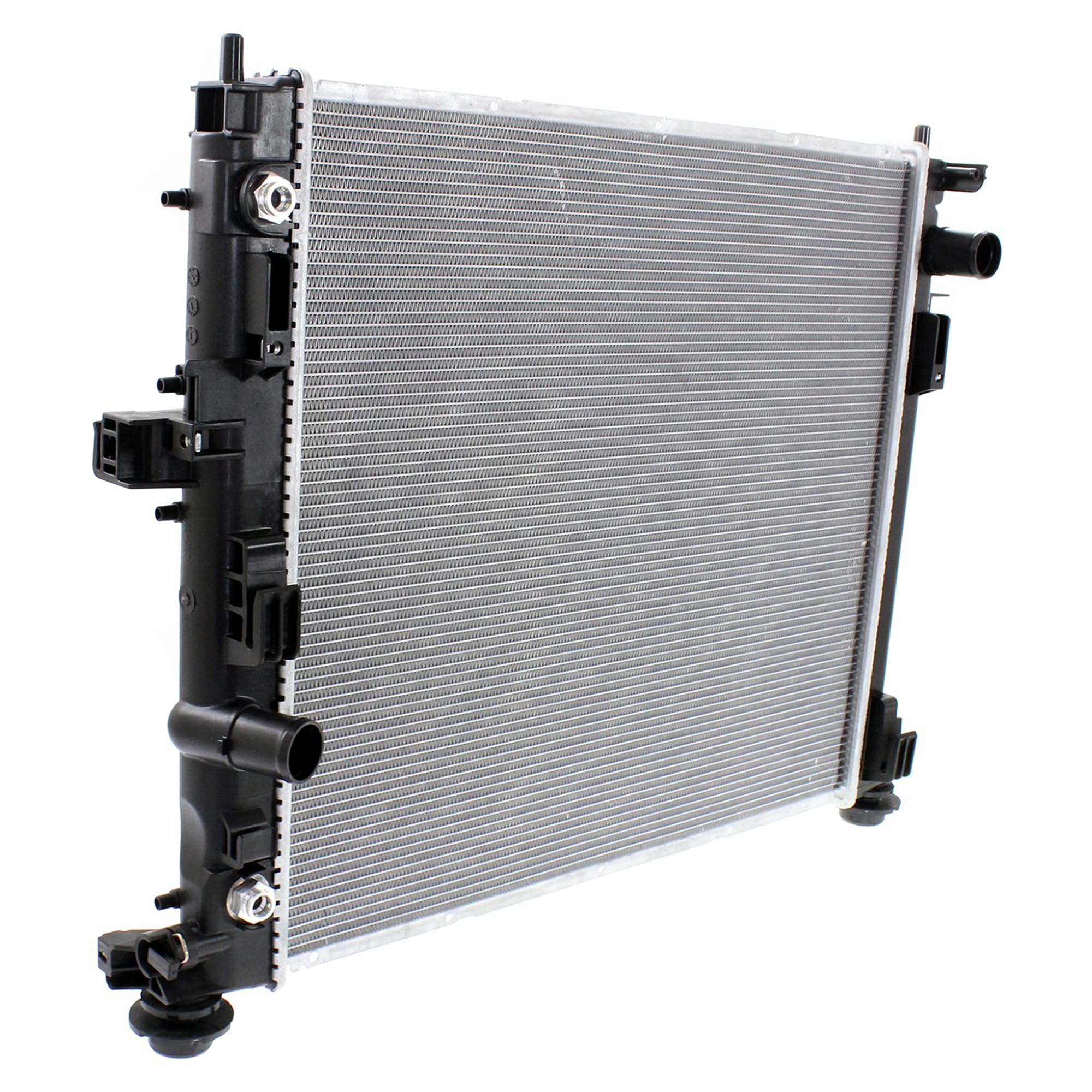 Representative Photo, actual item may vary
Replacement SET-P13466 Radiator Primary and Auxiliary Unit for Passat 2.0L Diesel
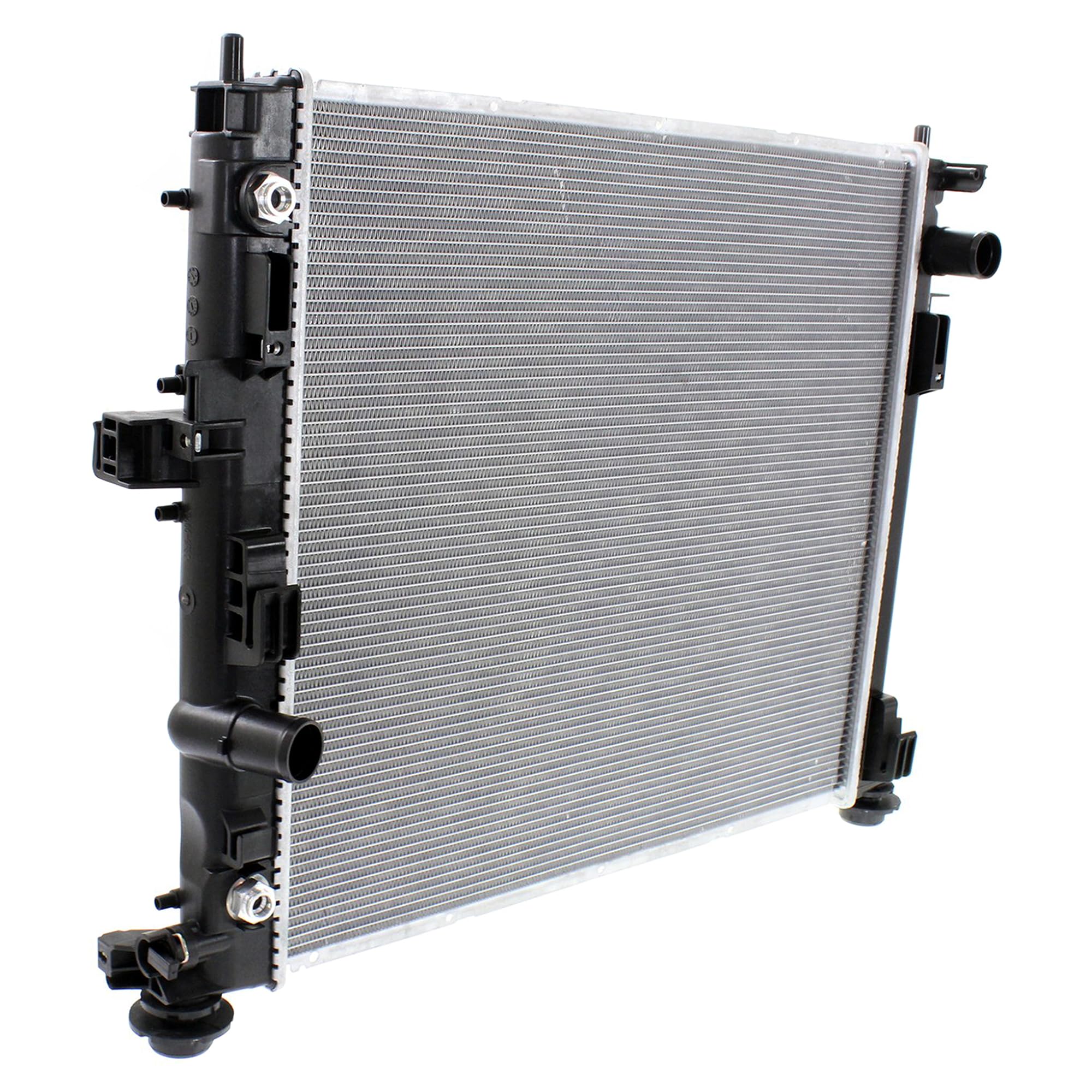 Representative Photo, actual item may vary
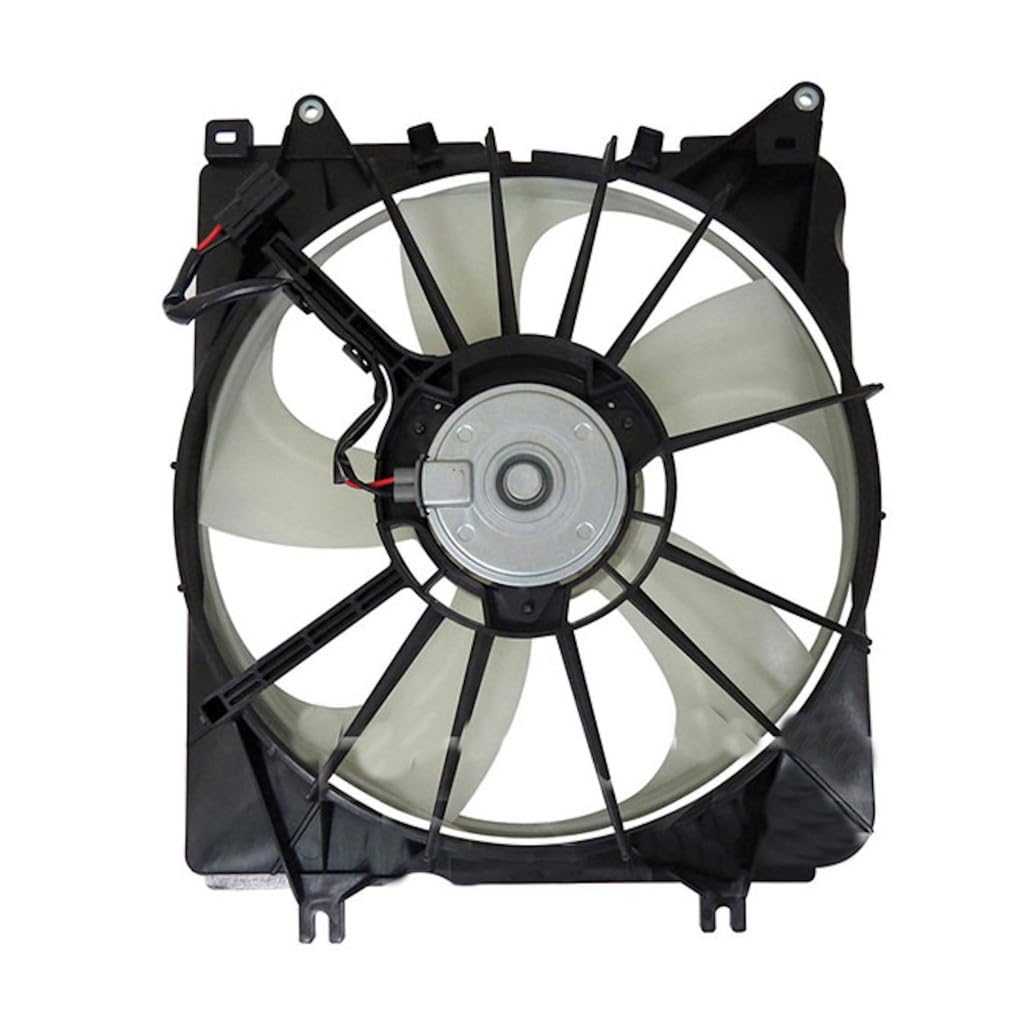 Representative Photo, actual item may vary
J.C. Whitney KIT-050225-147 Radiator Kit for 6.4L Diesel with Intercooler
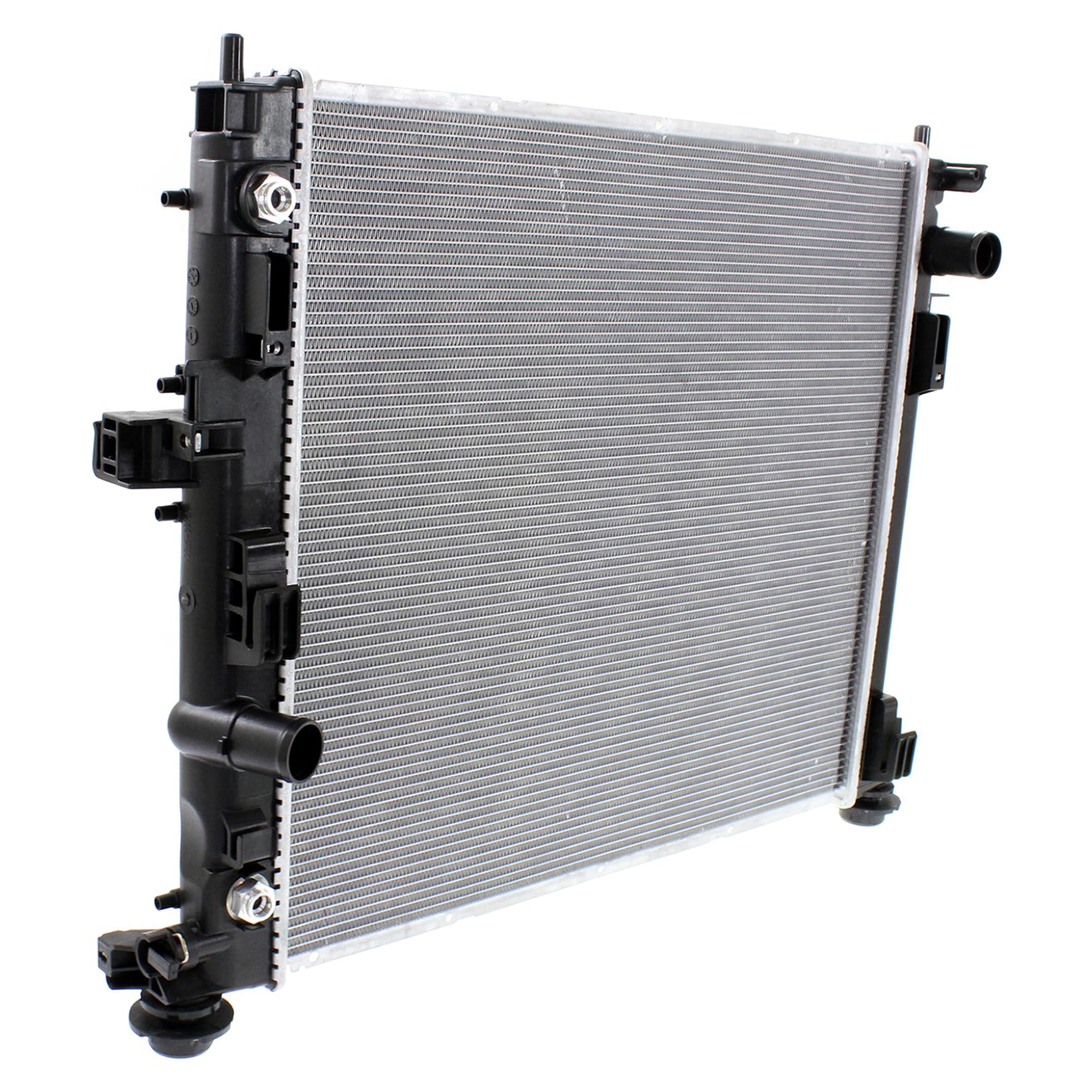 Representative Photo, actual item may vary
Replacement KIT-070325-10 Radiator Kit with Coolant Reservoir for Ford Escape/Mercury Mariner

J.C. Whitney KIT-050726-22 Radiator and Cooling Fan Assembly 2-Piece Kit 1.5L Turbo

Replacement KIT-050126-01 Radiator with Cooling Fan Assembly 2-Piece Kit 4-Cyl 2.0L

Replacement KIT-050726-31 Radiator and Fan Shroud 2-Piece Kit 4.6L Automatic Transmission
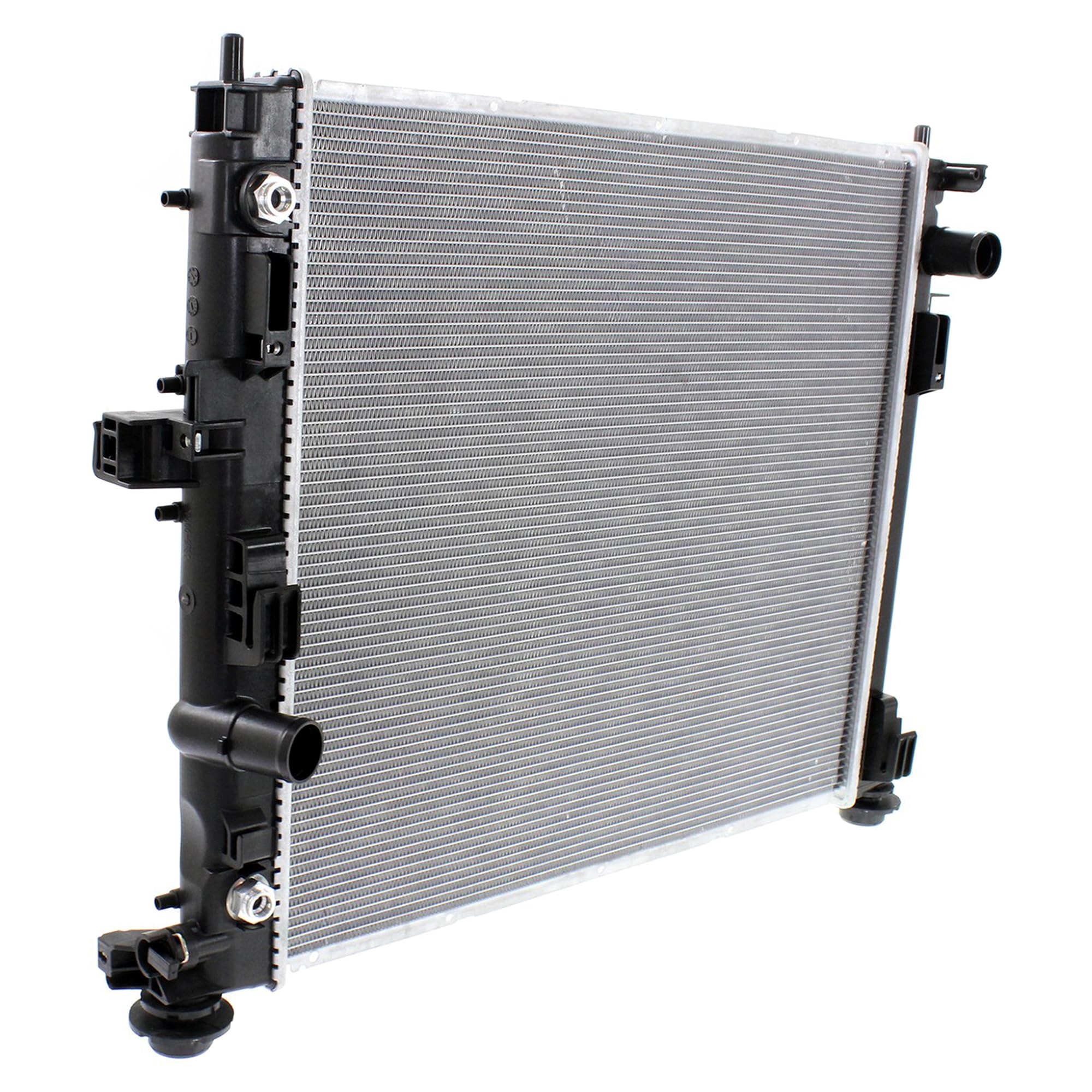 Representative Photo, actual item may vary
Replacement KIT-120622-48 Radiator and Fan Assembly Kit for Honda Accord/Acura CL
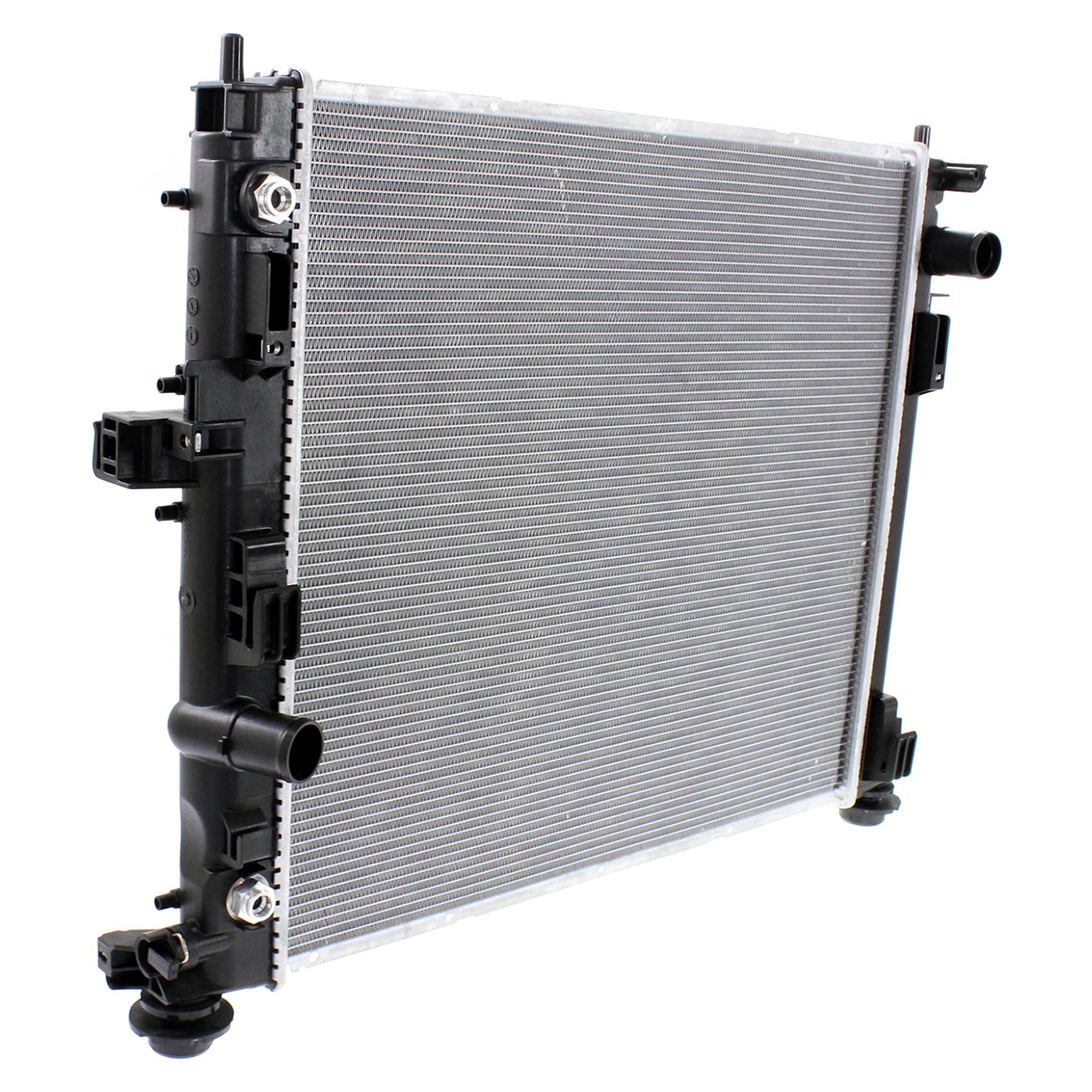 Representative Photo, actual item may vary
Replacement KIT-091223-49 Radiator Kit with A/C Condenser 2-Piece Jeep Wrangler JK 3.6L
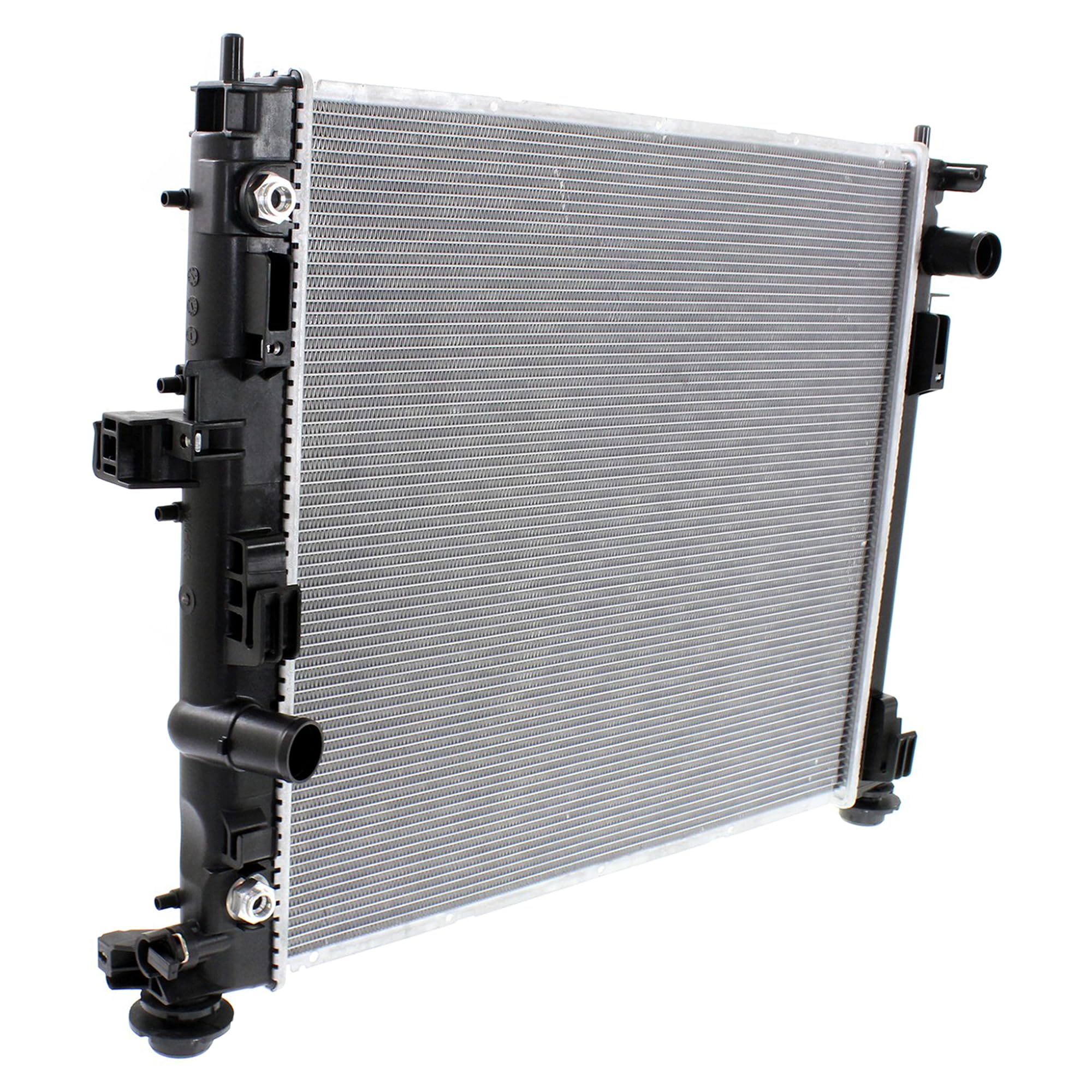 Representative Photo, actual item may vary
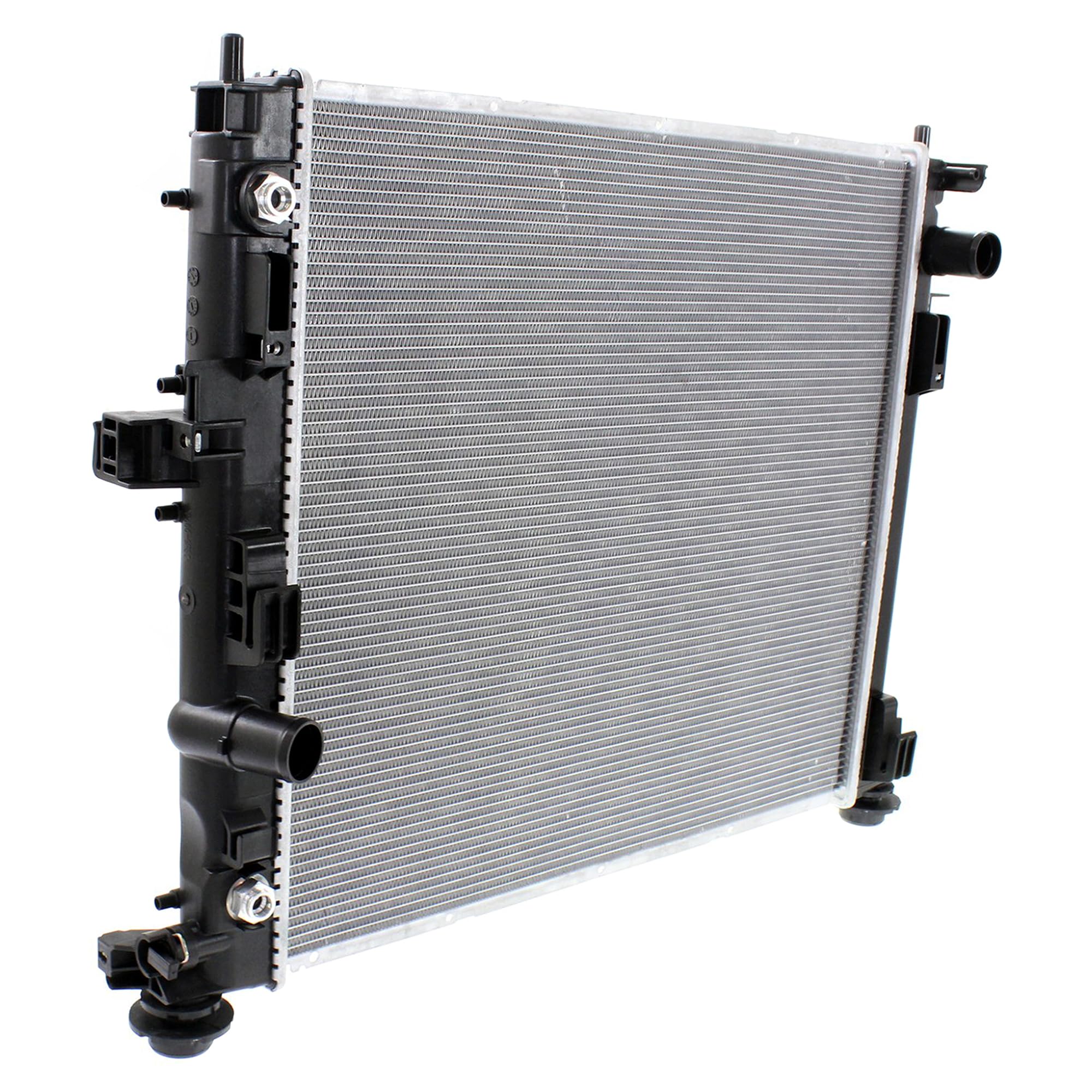 Representative Photo, actual item may vary
Replacement KIT-081324-C1380 Radiator Kit Engine - 2-Piece 4-Cylinder 2.5L

Keystone NI3010227 Radiator and A/C Condenser Combo Assembly Automatic Transmission OEM Replacement 21460JK90B
- 1
- 2
What Is a Radiator Assembly?
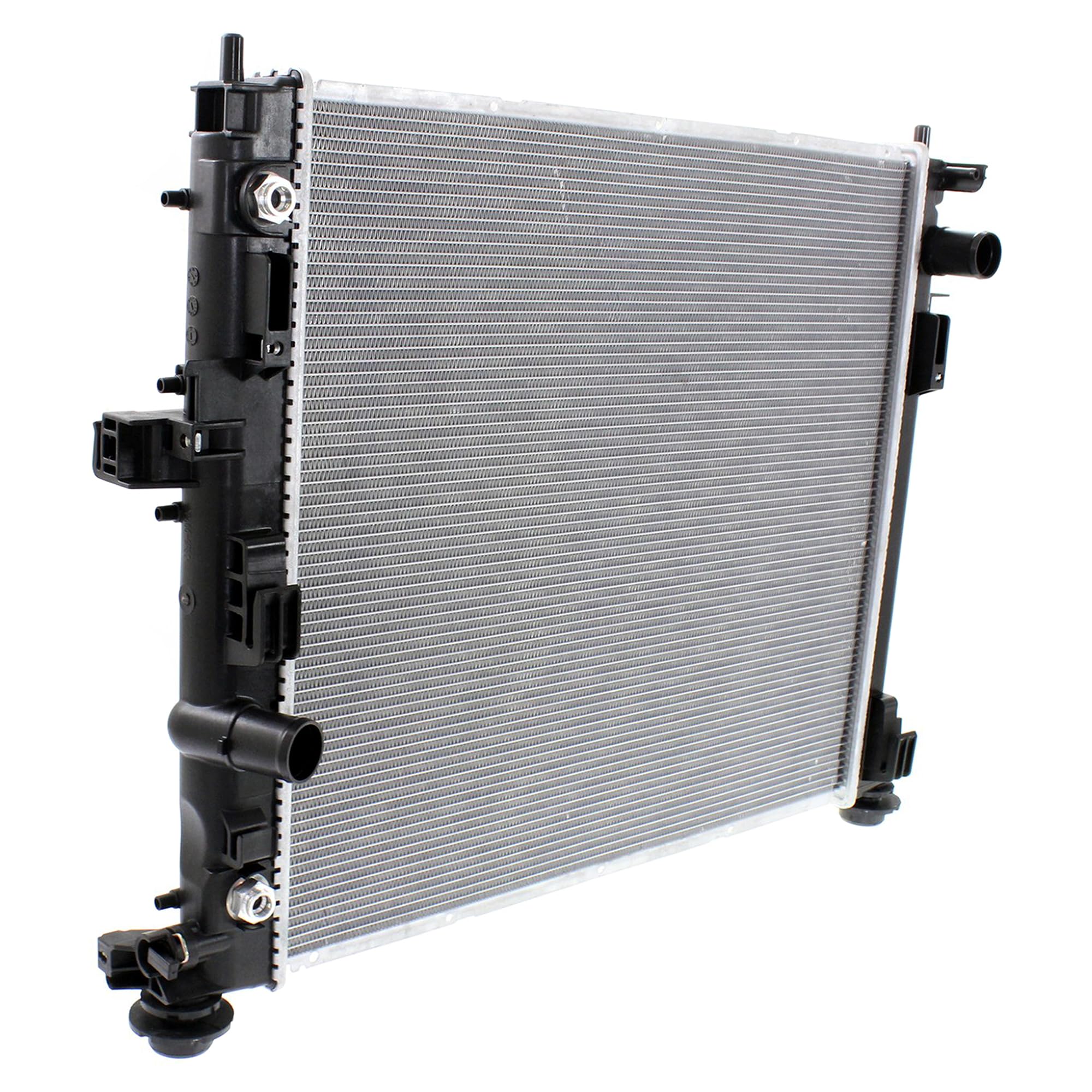
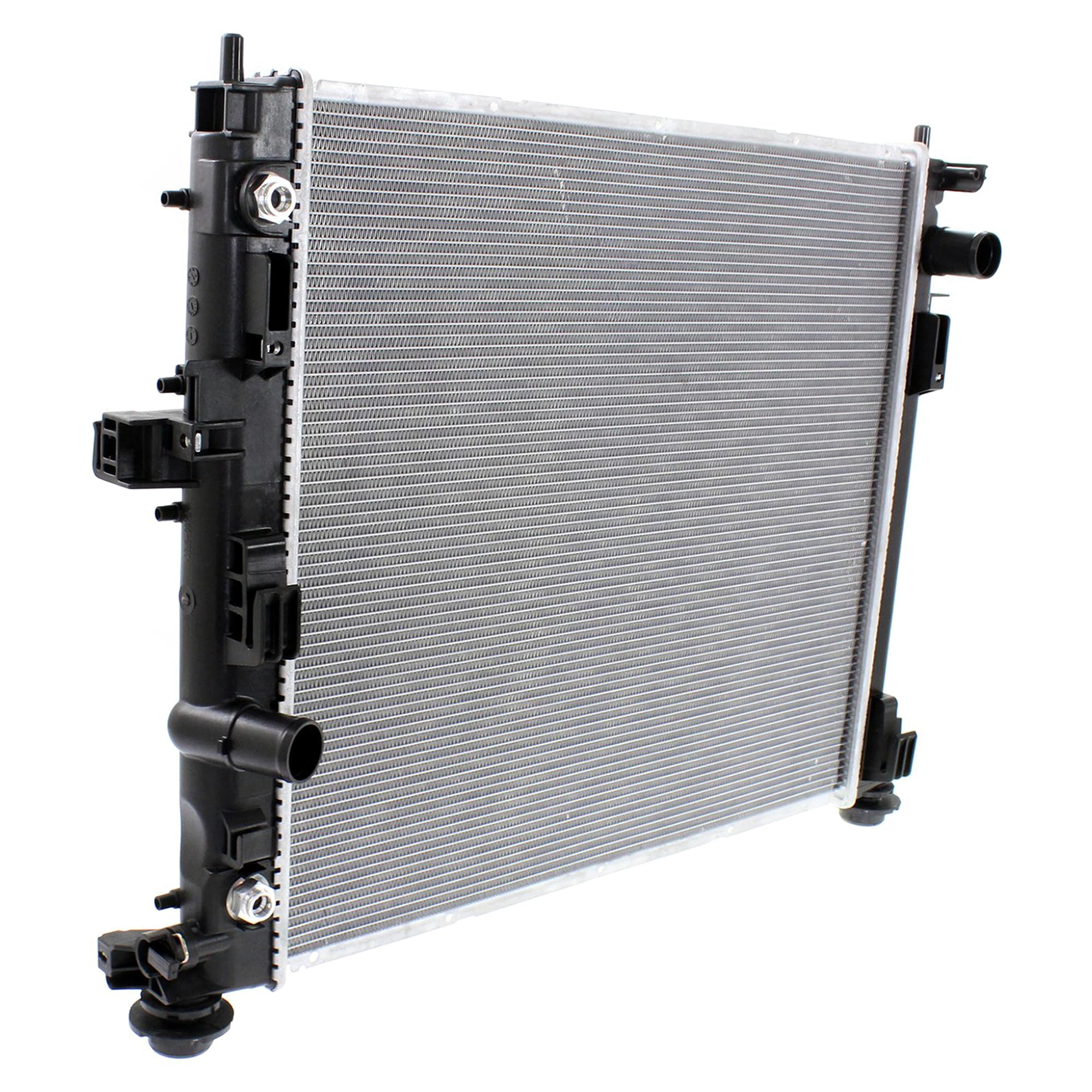
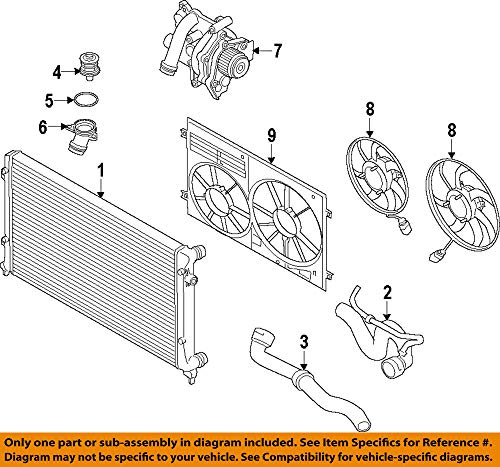
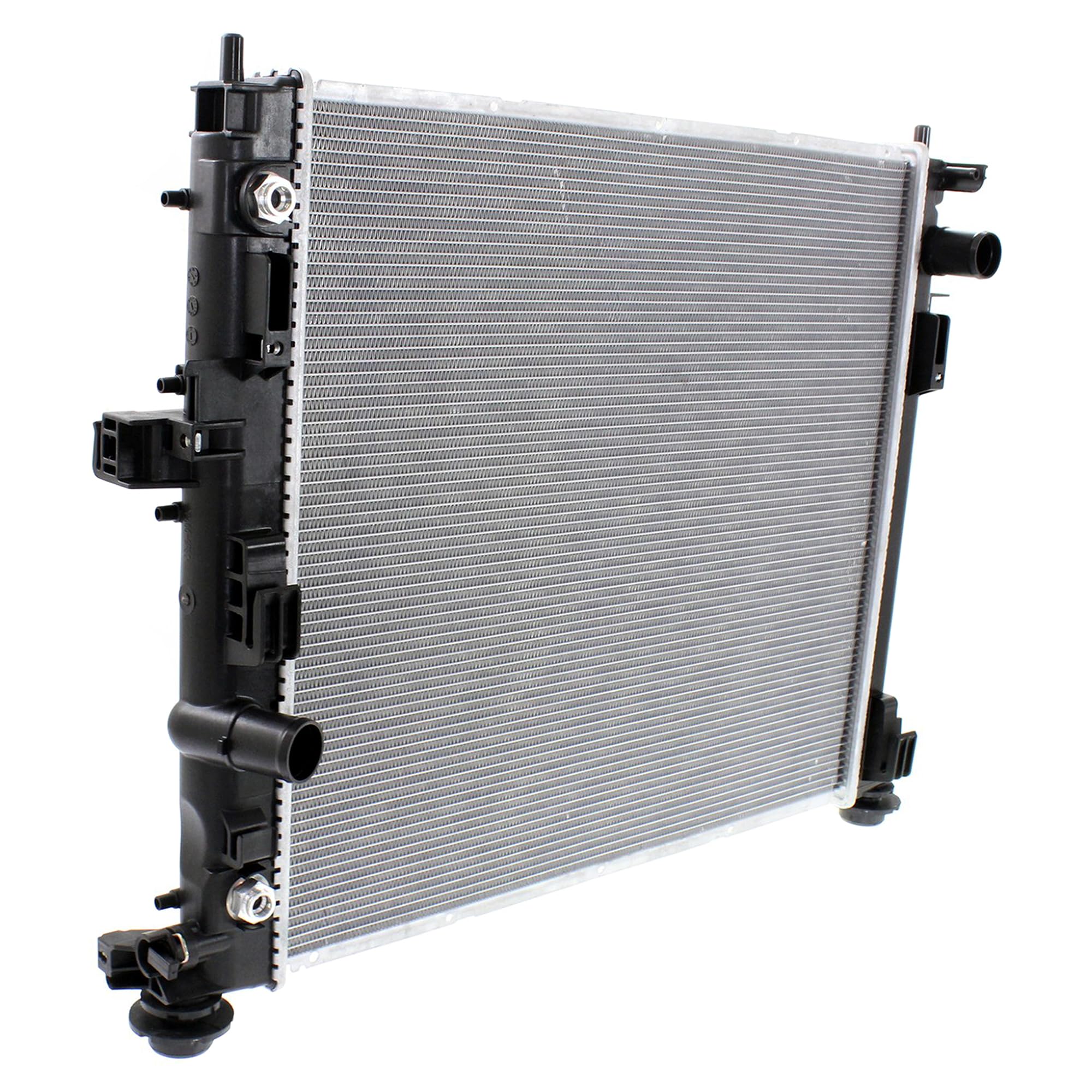
The radiator is the heart of your vehicle's cooling system. As coolant circulates through the engine absorbing heat, it travels to the radiator where that heat is transferred to the outside air through a network of tubes and fins. Without a properly functioning radiator assembly, engine temperatures quickly climb to dangerous levels, leading to warped cylinder heads, blown head gaskets, or even complete engine failure. A radiator assembly typically includes the core, tanks, inlet and outlet ports, and mounting brackets — everything you need for a complete, direct-fit replacement.
Signs You Need a New Radiator Assembly
Radiators are built to last, but they are not invincible. Corrosion, physical damage, and years of thermal cycling eventually take their toll. Watch for these warning signs that your radiator may need to be replaced:
- Coolant leaks — Puddles of green, orange, or pink fluid under your vehicle often point to a failing radiator
- Overheating engine — A temperature gauge climbing into the red is a classic symptom of reduced cooling capacity
- Discolored or sludgy coolant — Oil mixing with coolant inside a damaged radiator produces a milky, contaminated fluid
- Visible external damage — Bent fins, cracked tanks, or corrosion pitting on the core all reduce cooling efficiency
Choosing the Right Radiator Assembly
When shopping for a replacement radiator, the most important factor is fitment. A radiator that does not match your vehicle's year, make, model, and engine displacement will not seat correctly or connect to your hoses without modification. Beyond fitment, consider the core construction: aluminum-core radiators offer an excellent balance of weight savings and heat dissipation, making them the standard choice for modern passenger cars and trucks. Row count and core thickness also affect cooling capacity — vehicles used for towing or performance driving often benefit from a higher-capacity unit than the original equipment specification.
Top Radiator Assembly Brands
TYC is one of the most widely recognized names in aftermarket cooling components. TYC engineers their radiator assemblies to meet or exceed OE specifications, offering broad vehicle coverage and direct-bolt-on fitment that makes DIY installation straightforward. Their radiators undergo rigorous pressure and leak testing before leaving the factory, making them a dependable choice for everyday drivers and professional technicians alike.
Koyo brings decades of thermal management expertise to the radiator market. Originally a supplier to major OEM automakers, Koyo leverages its manufacturing heritage to produce replacement radiators with precise core dimensions and high-quality aluminum construction. For enthusiasts and owners who want an OEM-grade experience in an aftermarket package, Koyo is a brand worth serious consideration.
Installation Tips
Replacing a radiator assembly is a manageable DIY project for most mechanically inclined owners. Always allow the engine to cool completely before draining the cooling system, and use fresh coolant mixed to the manufacturer's recommended concentration when refilling. Inspect all hoses, clamps, and the thermostat while the system is open — replacing worn ancillary components at the same time saves labor later. After installation, run the engine to operating temperature and check for leaks before returning the vehicle to regular service.