


Engine Mount Heat Shield


 Representative Photo, actual item may vary


Design Engineering DEI 902460 Titanium Flexible Heat Shield 4" x 8" with Trim Ring

 Representative Photo, actual item may vary

 Representative Photo, actual item may vary
 Representative Photo, actual item may vary
 Representative Photo, actual item may vary

 Representative Photo, actual item may vary

 Representative Photo, actual item may vary



Maier 69995 Heat Tile Kit Standard - 2 Pack Aluminized Fiberglass Heat Shield Strips


 Representative Photo, actual item may vary

 Representative Photo, actual item may vary
 Representative Photo, actual item may vary
 Representative Photo, actual item may vary
 Representative Photo, actual item may vary
 Representative Photo, actual item may vary
 Representative Photo, actual item may vary
 Representative Photo, actual item may vary
 Representative Photo, actual item may vary
 Representative Photo, actual item may vary
 Representative Photo, actual item may vary
 Representative Photo, actual item may vary
 Representative Photo, actual item may vary
 Representative Photo, actual item may vary

 Representative Photo, actual item may vary
 Representative Photo, actual item may vary
 Representative Photo, actual item may vary
What Is an Engine Mount Heat Shield?
An engine mount heat shield is a barrier component installed between the engine mount and nearby heat sources — such as exhaust manifolds, headers, or hot engine block surfaces — to reduce the thermal load on the mount itself. Engine mounts are typically made of rubber or polyurethane, materials that are highly susceptible to heat degradation over time. Without adequate heat shielding, prolonged exposure to elevated underhood temperatures can cause engine mounts to crack, harden, or fail prematurely, leading to increased vibration, drivetrain misalignment, and costly repairs.
Why Engine Mount Heat Shields Matter
Heat is one of the most overlooked enemies of rubber components in the engine bay. While most enthusiasts focus on protecting wiring, fuel lines, and intake components from heat soak, the engine mounts themselves are equally vulnerable. A failed engine mount doesn't just cause a rough ride — it can allow engine movement that strains other drivetrain components, exhaust connections, and even radiator hoses. Installing a proper heat shield around the mount area is a straightforward, preventive measure that can save significant repair costs down the road.
Engine mount heat shields are especially important in high-performance and modified applications where headers or aftermarket exhaust systems route hot exhaust gases closer to engine mounts than the factory configuration. Turbocharged engines, which generate even greater heat in the engine bay, similarly benefit from additional thermal protection at the mount points.
What to Look for When Shopping
- Material: Look for shields constructed from aluminized fiberglass, basalt fiber, or stamped steel with heat-reflective coatings — each offers a different balance of weight, flexibility, and temperature resistance.
- Temperature Rating: Match the shield's continuous heat rating to the thermal environment in your engine bay, especially in forced-induction or high-output applications.
- Fitment: Some shields are vehicle-specific while others are universal and can be trimmed or formed to fit. Universal options offer flexibility for custom builds.
- Mounting Style: Shields may attach via OEM-style hardware, hook-and-loop fasteners, or stainless steel clamps — consider which suits your application best.
Top Brands for Engine Mount Heat Shields
Design Engineering Inc. (DEI) is the category leader, and for good reason. DEI has spent over 25 years engineering heat and sound control solutions for automotive, motorsports, and performance applications. Their Form-A-Shield and Reflect-A-Cool product lines use advanced materials — including basalt fiber and aluminized fiberglass — to deliver serious thermal protection across a wide range of underhood applications, including engine mount areas.
Briggs & Stratton brings its deep small-engine engineering expertise to this category, offering heat shields suited for outdoor power equipment and small engine platforms where mount protection is critical to long service life in demanding environments.
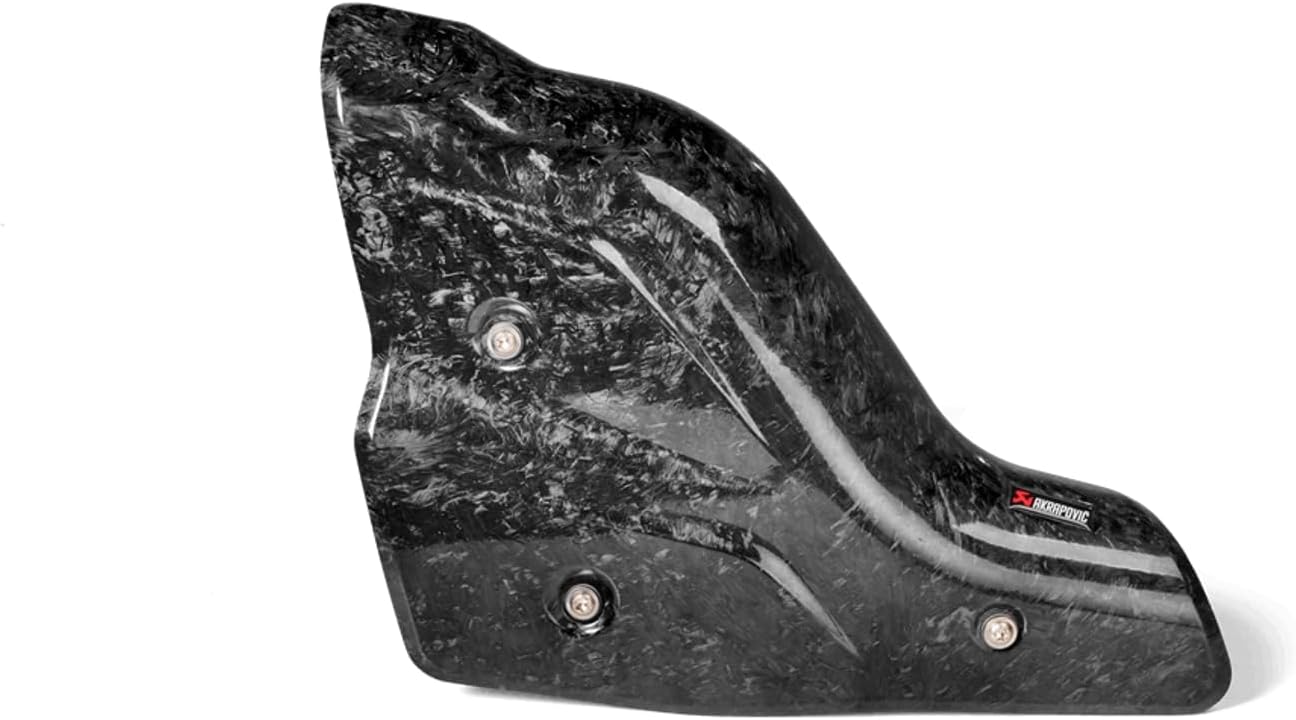
Akrapovic is globally renowned for premium exhaust systems and associated thermal management components. Their heat shields reflect the same precision engineering and high-grade materials found throughout their exhaust product lines, making them a natural choice for performance-oriented applications.
Holley is a legendary name in performance engine components, and their entry into the heat shield category underscores the importance of thermal management in high-performance builds where headers and hot engine components sit in close proximity to mounts and other rubber parts.
Zirgo specializes in thermal and acoustic products designed to reduce heat and noise in the vehicle interior and engine bay, offering heat shielding solutions that pair well with broader underhood heat management upgrades.