


Running Board Motor


 Representative Photo, actual item may vary
AMP Research 80-04868-10 Siemens to Brose Motor Conversion Kit for PowerStep

 Representative Photo, actual item may vary
AMP Research 04771-10 PowerStep Replacement Motor Linkage Assembly Sport Duty

Dorman 747-902 Power Running Board Motor Assembly with Bracket - Driver Side




 Representative Photo, actual item may vary
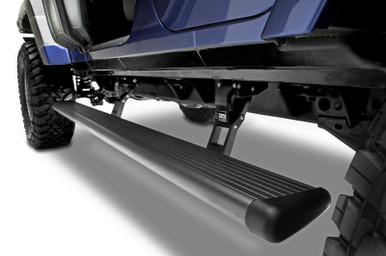 Representative Photo, actual item may vary
AMP Research 10-04317-12 Power Step Motor Linkage Front Driver Side GM 2500/3500


APS PB03WAI5B Power Running Boards W-Series Double Cab Electric Retractable

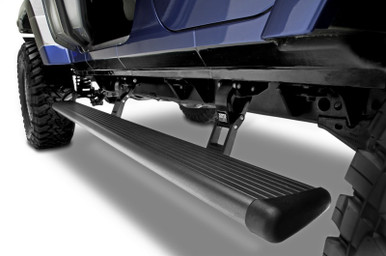 Representative Photo, actual item may vary
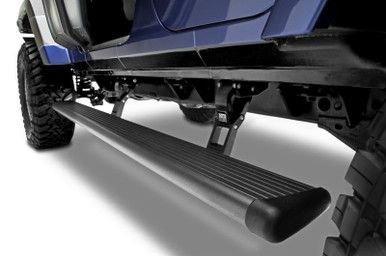 Representative Photo, actual item may vary
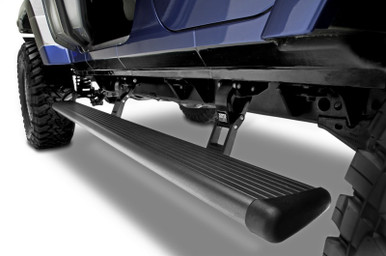 Representative Photo, actual item may vary


 Representative Photo, actual item may vary
 Representative Photo, actual item may vary


 Representative Photo, actual item may vary
AMP Research 19-04678-90 PowerStep Replacement Hard Part Black Metal Component

AMP Research 10-02817-11 PowerStep Clutch Gear Assembly 3-1/2 Inch Replacement Part
 Representative Photo, actual item may vary


 Representative Photo, actual item may vary





 Representative Photo, actual item may vary
Dorman 747-100 Driver Side Running Board Motor for Ford/Lincoln

Lippert Components 781007 Lippert Motor Conversion Kit for Kwikee(R) Electric Steps - "C" Linkage Single & Double Steps #781007

 Representative Photo, actual item may vary
Dorman 747-102 Driver Side Running Board Motor for Ford/Lincoln
 Representative Photo, actual item may vary
 Representative Photo, actual item may vary
Dorman 747-904 Driver Side Running Board Motor for Select Ford Models

Lippert Components 676061 Replacement Motor & Screws for IMGL Electric RV Steps 14Nm

Body Armor BA-4600-3705 Replacement Driver Side Motor Bracket Assembly for E-Power Board Steps


Body Armor BA-4600-5603 Replacement Driver Side Motor Bracket Assembly for E-Power Running Board Steps
 Representative Photo, actual item may vary
Body Armor BA-4600-HARNESS Replacement Main Wiring Harness & Wire Taps for 4600 Series Power Steps
 Representative Photo, actual item may vary
AMP Research 04318-11 Drive Linkage Rear Passenger Side PowerStep Replacement Part
 Representative Photo, actual item may vary
What Is a Running Board Motor?
A running board motor is the electric actuator at the heart of any power retractable step system on a truck or SUV. These systems use auto retract and auto deploy technology that allows the boards to automatically deploy when the doors are opened and automatically retract when the doors close. The motor translates a simple door-open signal into a smooth mechanical sweep, extending the step outward and downward for easy entry, then tucking it safely back under the rocker panel when the door shuts.
How the Motor Works in a Power Step System
The core of the system is built around a motor design that activates the moment a door opens, deploying the boards outward and downward to a position that drops significantly lower than any traditional fixed running board. Most factory and aftermarket setups rely on a single rotary motor connected to a pivot-arm linkage. These single rotary motors are engineered to ensure quiet, reliable, long-lasting, maintenance-free operation. The motor, pivot points, and all electrical components are typically shielded within a main housing, further protecting them from the elements.
Some heavy-duty or off-road-oriented systems step up to a dual-motor configuration. A dual-motor system provides the additional torque needed to cycle the boards reliably in conditions where a single motor might bind or slow. This makes dual-motor designs especially well suited for vehicles that regularly encounter mud, deep snow, or road salt accumulation.
Safety is built into the motor's logic as well. Power running board motors are set up to not open or close if resistance exceeds a certain amount — a safety feature designed to avoid injury to users.
Why Running Board Motors Fail
Because the motor lives underneath the vehicle, it faces a punishing environment year-round. Swivel brackets are in a harsh environment and the bearings can become stiff and start to seize, while the motor too can start to lose its pulling power after a few years of battering by the elements. The usual scenario is that the running board won't retract when it should, but if you help it along, it does — a classic sign that the motor is losing torque or that the pivot-arm bearings have stiffened under accumulated grime and corrosion.
Vehicles operated in mountain climates can have their motors and pivots blasted with snow, ice, and crud for months at a time, leading to progressively squeakier and slower operation. Regular lubrication of pivot points can extend motor life, but once the motor itself has stripped gears or seized windings, replacement is the correct path.
OEM Replacement vs. Aftermarket Running Board Motors
When sourcing a replacement motor, shoppers typically choose between OEM-spec parts engineered to match the original assembly exactly, and aftermarket alternatives that may offer cost savings or improved materials. Either way, correct fitment is critical — running board motors are vehicle-specific, with connector types, torque ratings, and mounting configurations varying considerably between makes, models, and model years. Always confirm compatibility with your specific year, make, and model before ordering.
What to Consider When Shopping for a Running Board Motor
- Single vs. dual motor: Single-motor assemblies suit most everyday driving conditions, while dual-motor systems provide extra torque for off-road or harsh winter environments.
- OEM vs. aftermarket: OEM motors guarantee a direct fit; quality aftermarket units can match or exceed OEM specs at a lower cost.
- Left vs. right side: Running board motors are side-specific — confirm driver-side or passenger-side before purchasing.
- Complete assembly vs. motor only: Some repairs call for the full hinge-and-motor assembly, while others require only the motor itself. Inspect your existing hardware to determine which replacement option is appropriate.
- Environmental rating: Look for sealed or weather-resistant housings if the vehicle operates in wet, muddy, or salty conditions regularly.