


Battery Current Sensor Connector
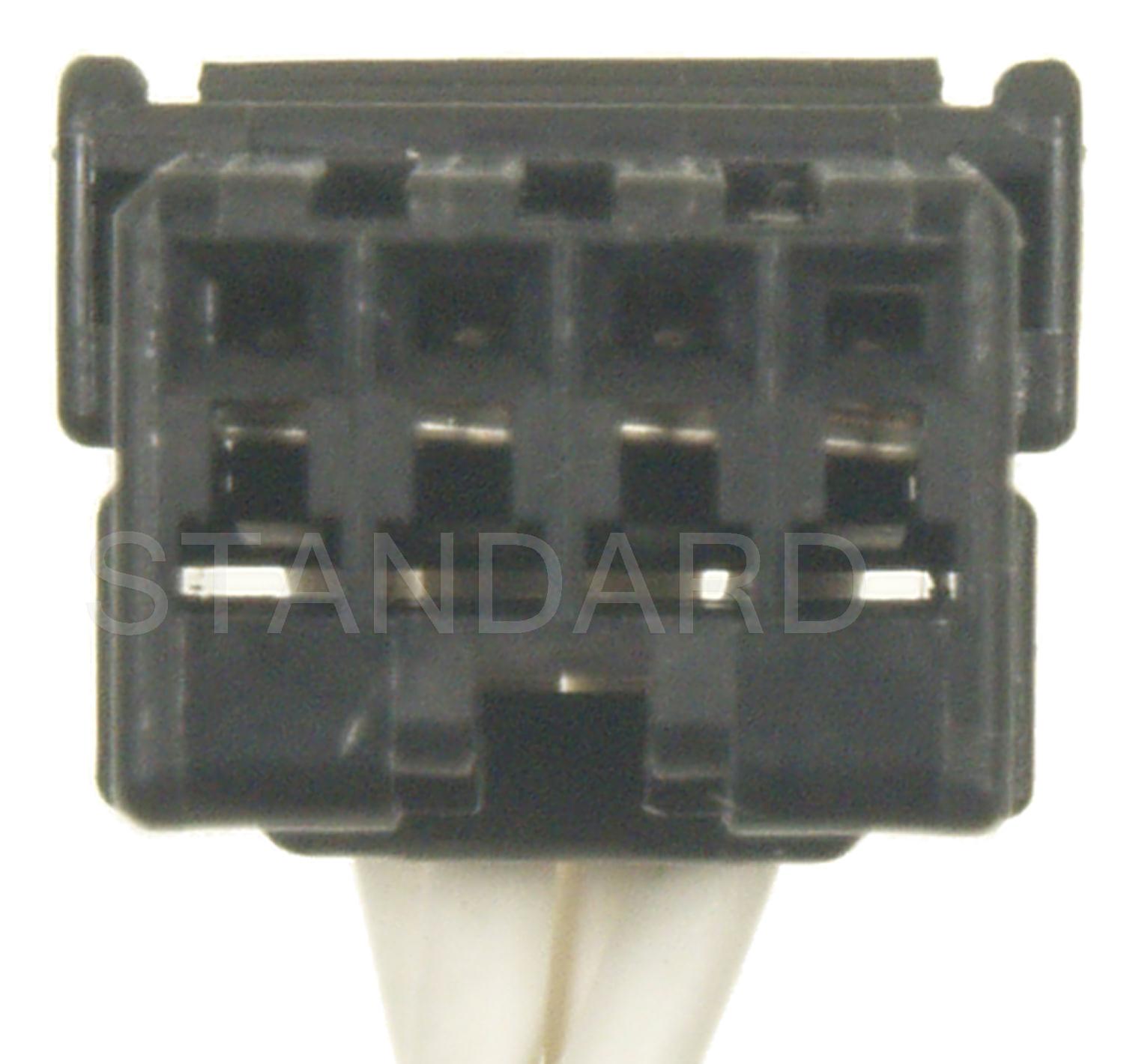 Representative Photo, actual item may vary

What Is a Battery Current Sensor Connector?
Modern vehicles rely on a sophisticated web of sensors and control modules to keep the electrical system running efficiently. At the heart of that network sits the battery current sensor — and the connector that links it to the rest of the vehicle's wiring harness is just as important as the sensor itself. A battery current sensor connector is the dedicated wiring interface that carries real-time current data from the sensor to the vehicle's control module, completing the circuit that allows the powertrain to respond intelligently to battery conditions.
A battery current sensor is an electronic device that measures the flow of electric current into and out of a vehicle's battery. It provides real-time data to the vehicle's control systems, enabling accurate monitoring of the battery's state of charge, state of health, and overall energy balance. Without a clean, corrosion-free connector to relay those signals, even a perfectly functioning sensor becomes unreliable.
Why the Connector Matters
The battery current sensor achieves its purpose by measuring the current passing through it and transmitting this information to the vehicle's Engine Control Module (ECM) or Powertrain Control Module (PCM). Based on this information, the ECM or PCM can make real-time adjustments to the charging rate and electrical system to optimize performance. A damaged or corroded connector disrupts this data link entirely, causing the system to operate blind.
If your battery current sensor fails or there is an issue with the connector, a diagnostic trouble code (DTC) will set and the battery warning light will illuminate on your vehicle's dashboard. Since the PCM uses the information from the battery current sensor to start your car, any issues can result in your vehicle not starting even when the battery itself is fully charged. In many cases, the sensor itself is fine — it's the connector that has succumbed to heat cycling, vibration, or corrosion.
Since the sensor is located in a highly corrosive area, you can start by disconnecting the battery current sensor and cleaning it, then adding dielectric grease and reconnecting the sensor. If cleaning doesn't resolve the trouble code, replacing the connector is the next logical step before committing to a full sensor replacement.
What to Look for When Shopping
When replacing a battery current sensor connector, fit and terminal integrity are the two most critical factors. The connector must lock securely onto the sensor body and maintain a weather-tight seal to prevent moisture intrusion. Key specifications to match include:
- Connector shape — oval, round, or square profiles vary by application
- Terminal type and count — pin, blade, or bullet terminals in 2-, 3-, or 4-terminal configurations
- Wire gauge and harness length — ensures the pigtail reaches the factory routing without stress
- Gender configuration — male/female orientation must match the original connector
Always verify fitment by year, make, and model before purchasing, as connector specifications differ significantly across manufacturers and model years.
Top Brands in Battery Current Sensor Connectors
For this category, Standard Motor Products stands out as the go-to source. Built to OE specifications, Standard Motor Products connectors guarantee a perfect fit and function, making them a trusted choice for Chrysler, Dodge, Fiat, and Jeep vehicles. Their broad catalog extends to various Ford and Lincoln models from 2011 to 2023, including the F-150, Edge, Mustang, and more, as well as Honda, Toyota, and GM platforms — making them one of the most universally applicable brands in the segment.