


Winch Motor



 Representative Photo, actual item may vary
 Representative Photo, actual item may vary
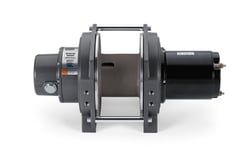
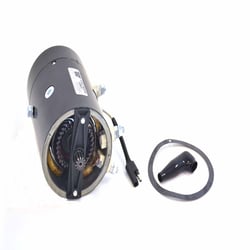
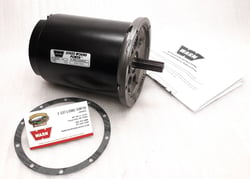
Warn 104217 12V Replacement Winch Motor Kit for VR EVO 10/12K Winches

 Representative Photo, actual item may vary


Hitachi 324497 Replacement Motor for DS18DVF3 and DS18DFL Cordless Drill Drivers


 Representative Photo, actual item may vary

Andersen RA2040214100 Compact Below Deck 12V Conversion Kit for 40ST Winch

 Representative Photo, actual item may vary

 Representative Photo, actual item may vary
Aurora 952-2210-932 Replacement Pump Motor 1HP 1800RPM 115/230V Single Phase

 Representative Photo, actual item may vary

 Representative Photo, actual item may vary




What Is a Winch Motor and Why Does It Matter?
The winch motor is the beating heart of any recovery winch system. Without a healthy, properly matched motor, even the most rugged winch becomes dead weight on your bumper. Understanding how this critical component works — and knowing when to replace or upgrade it — can mean the difference between a successful self-recovery and a long wait on a remote trail.
A winch works by using a motor to wind a cable or rope onto a drum, creating the tension needed to pull or lift heavy objects. The motor drives the drum, and as the drum turns, it pulls the line tight, exerting controlled force on whatever is attached to the other end. In most off-road applications, the motor draws power directly from the vehicle's 12V battery, making it a compact, self-contained power source that works even when the engine is off — a critical advantage in a real recovery situation.
Series Wound vs. Permanent Magnet Motors
Winch motors generally fall into two design families. Series wound motors are known for delivering enormous torque under load, making them popular for heavy-duty and high-capacity winches. Permanent magnet motors are lighter, more compact, and often more energy-efficient — a great fit for mid-range winches where weight savings and low amp draw matter. Many modern winch designs, including compact trail rigs, take advantage of permanent magnet technology paired with multi-stage planetary gearboxes to deliver impressive pulling force without taxing the vehicle's electrical system.
It's also worth knowing that motor horsepower alone doesn't tell the whole performance story. The interaction between the motor, gear ratio, drum diameter, and electrical efficiency all contribute to real-world pulling power. A well-engineered lower-horsepower motor paired with an efficient gear train can outperform a raw high-horsepower motor in a poorly matched system.
When to Replace Your Winch Motor
Winch motors endure some of the harshest conditions of any automotive component — sustained electrical loads, heat buildup, water immersion, and mud contamination. Common signs that a motor is due for replacement include sluggish line speed under load, excessive heat, unusual noises during operation, or a motor that draws excessive current and trips breakers. Because electric motors generate immense heat under sustained heavy loads, it's critical to give the system time to cool between pulls and to match the replacement motor precisely to your winch model's specifications.
Top Winch Motor Brands
Warn is the dominant name in this category and for good reason. Founded in 1948, Warn pioneered the development of the electric winch for recreational off-road vehicles and has spent decades engineering motors specifically matched to their winch platforms. Rather than relying on off-the-shelf motors, Warn's electrical engineers design and tune motors for each application, balancing horsepower ratings with gear train efficiency to deliver a cohesive, high-performance system. Their replacement motors cover a wide range of popular models including the legendary 9.5xp, M12000, M15000, and ZEON series — ensuring owners can restore factory performance rather than settling for generic substitutes.
Superwinch brings over 50 years of dedicated winch engineering experience to its motor lineup. As one of the largest winch manufacturers in the world, Superwinch designs and tests its products — including replacement motors — at its California facilities. Their winches span 1,000 to 50,000-pound capacities across consumer and industrial markets, and their replacement motors are built to maintain that same standard of reliability. Superwinch also pioneered the use of synthetic ropes on winches, and their motor designs reflect a commitment to low amp draw and efficient power delivery.
TrailFX rounds out the category with replacement motor options aimed at value-conscious off-roaders who want a dependable service part without a premium price tag.
Choosing the Right Replacement Motor
- Verify compatibility: Always match the replacement motor to your exact winch model and part number.
- Check voltage and horsepower ratings: Ensure the motor matches your winch's electrical specifications.
- Consider duty cycle: Motors rated for higher duty cycles handle longer recovery operations with less risk of heat damage.
- OEM vs. aftermarket: OEM replacement motors are tuned to work within the winch's full system — gearing, drum, and controls — for the most predictable performance.