


Brake Fluid Level Sensor
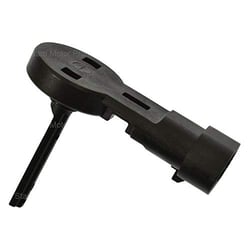


 Representative Photo, actual item may vary

 Representative Photo, actual item may vary



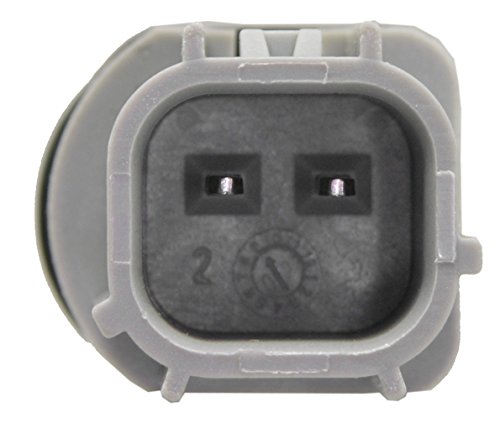 Representative Photo, actual item may vary

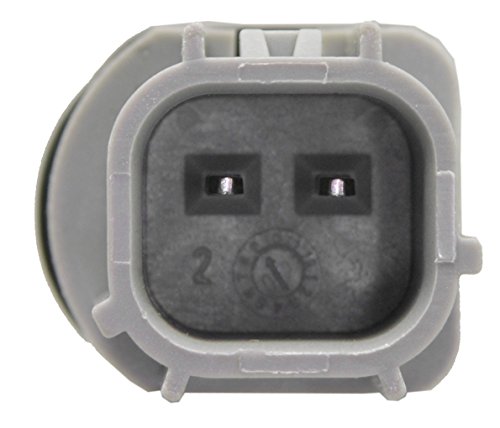 Representative Photo, actual item may vary





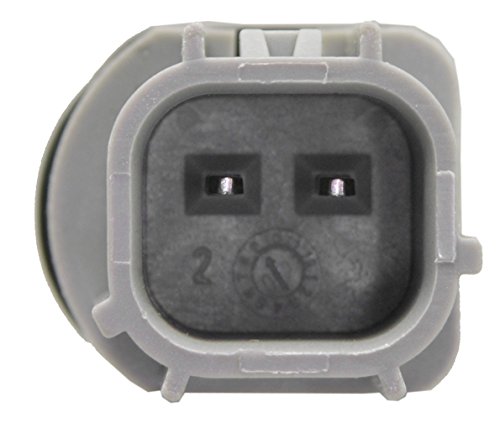 Representative Photo, actual item may vary
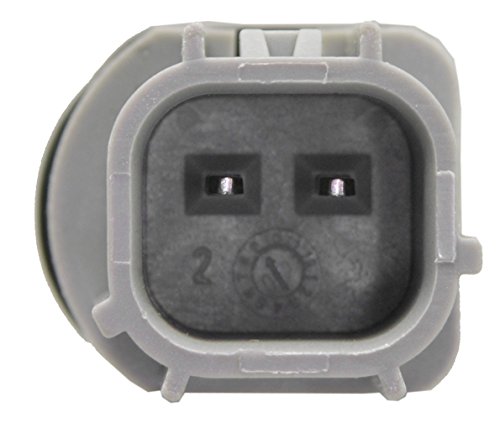 Representative Photo, actual item may vary
 Representative Photo, actual item may vary

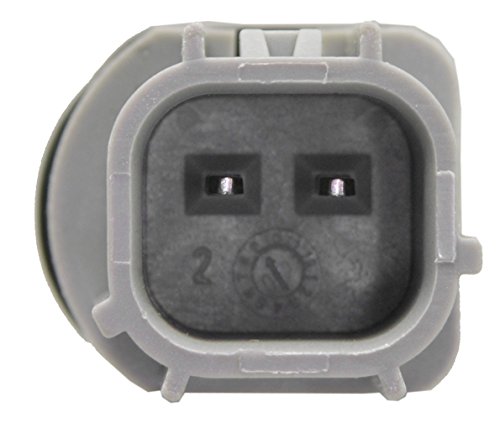 Representative Photo, actual item may vary

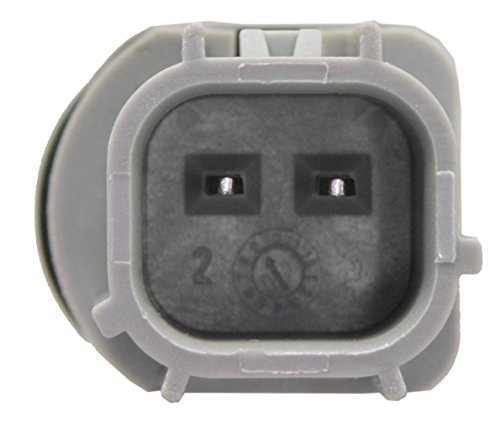 Representative Photo, actual item may vary

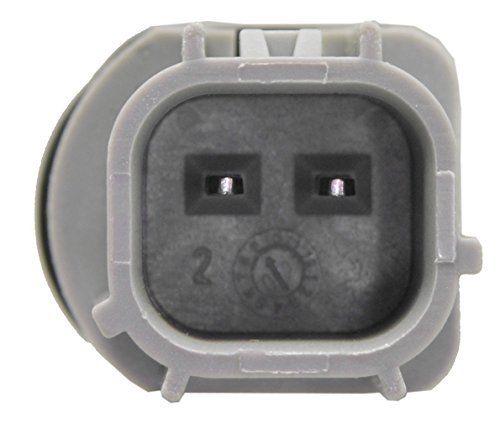 Representative Photo, actual item may vary

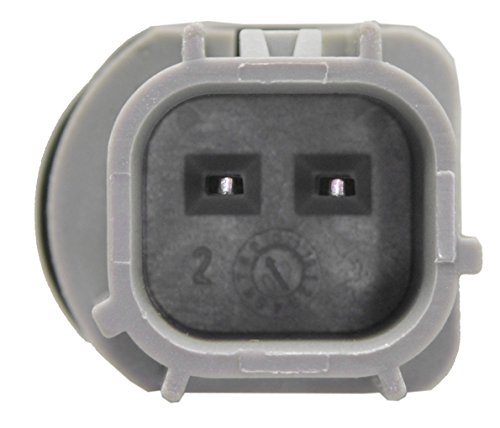 Representative Photo, actual item may vary

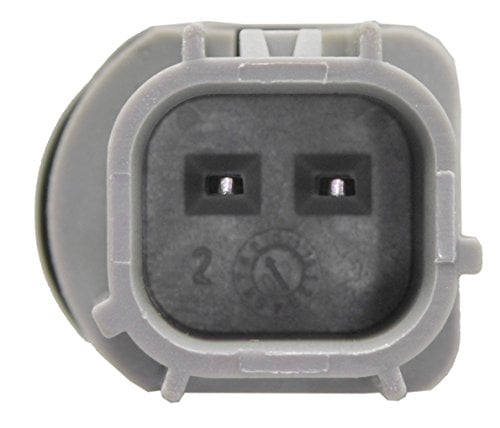 Representative Photo, actual item may vary
 Representative Photo, actual item may vary


What Is a Brake Fluid Level Sensor?
Your vehicle's hydraulic braking system depends on a precise volume of brake fluid to function safely. The brake fluid level sensor — a small but critically important component — sits inside or alongside the brake fluid reservoir and continuously monitors that fluid volume. When fluid drops below a safe threshold, the sensor triggers your dashboard brake warning light, alerting you to take action before a potentially dangerous situation develops.
How Brake Fluid Level Sensors Work
Most modern brake fluid level sensors use one of two technologies: a float sensor or a reed switch sensor. In a float-type design, a buoyant float rides on the surface of the brake fluid. As the fluid level drops, the float descends and actuates a switch, which sends an electrical signal to the vehicle's onboard computer, illuminating the brake warning light on the dashboard. Reed switch sensors work on a similar principle, but use a magnet mounted in the float — when the fluid falls low enough, the magnet passes close to a sealed reed switch, closing the circuit and triggering the alert.
Regardless of sensor type, the result is the same: an early warning system that helps drivers respond to low brake fluid before stopping power is compromised. A failing or stuck sensor can prevent that warning light from illuminating when fluid is critically low — making a timely replacement essential for safe driving.
Why Brake Fluid Drops — And Why It Matters
In a well-maintained hydraulic system, brake fluid levels naturally decrease as brake pads wear down, since caliper pistons extend further to compensate. A sudden or significant drop in fluid level, however, can signal a more serious issue such as a brake line leak or a failing master cylinder. Because the sensor is your first line of notification for both scenarios, it needs to perform reliably under heat, vibration, and chemical exposure every time you drive.
Proper sensor function is also tied to ABS and other electronic safety systems. Many vehicles use the same brake warning indicator to flag ABS faults — meaning a faulty or corroded sensor can create false alarms or, worse, silence a real one.
Choosing the Right Brake Fluid Level Sensor
Because brake fluid level sensors are vehicle-specific in their connector type, mounting configuration, and electrical behavior, selecting an exact-fit replacement is critical. Look for direct-fit OE replacements that have been tested to match the original specifications for your year, make, and model. Key quality factors include resistance to brake fluid corrosion, durability under temperature extremes, and consistent switch actuation at the correct fluid threshold.
Top Brands for Brake Fluid Level Sensors
Standard Motor Products is a leading brand in this category and a trusted name in automotive electrical and sensor components. Their brake fluid level sensors are designed as direct-fit OE replacements, built from high-quality materials, and put through extensive testing to ensure reliability across a wide range of applications.
ACDelco brings factory-level confidence to GM vehicle owners. Their brake fluid level sensors are manufactured to GM Original Equipment specifications for fit, form, and function — and backed by a limited warranty — making them a natural choice for Chevrolet, Buick, Cadillac, and GMC applications.
Mopar Performance offers genuine OEM brake fluid level sensors sourced directly from Stellantis, ensuring a perfect fit for Dodge, Jeep, Ram, and Chrysler vehicles. For owners who won't accept anything but factory-correct components, Mopar delivers the same part that came on the assembly line.
Genuine parts round out the category with OEM-specification sensors designed to match exact factory standards, offering a reliable option for drivers who prioritize precise fitment above all else.