


Shop Generator
 Representative Photo, actual item may vary

 Representative Photo, actual item may vary
 Representative Photo, actual item may vary
 Representative Photo, actual item may vary
 Representative Photo, actual item may vary


 Representative Photo, actual item may vary
 Representative Photo, actual item may vary


 Representative Photo, actual item may vary
 Representative Photo, actual item may vary
 Representative Photo, actual item may vary
 Representative Photo, actual item may vary
 Representative Photo, actual item may vary
 Representative Photo, actual item may vary
Eastern Tools & Equipment SUU-446MD Dual Fuel Portable Generator 4400W Electric Start


Cummins (onan Generators) A074Z436 Onan/Cummins A074Z436 P4500I Inverter Generator, Gasoline, Watts:4500 peak
 Representative Photo, actual item may vary
 Representative Photo, actual item may vary
 Representative Photo, actual item may vary
 Representative Photo, actual item may vary



Generac 8063 GP9500E Tri-Fuel Portable Generator 12500 Starting Watts Electric Start


Firman WH03242 4000W Dual Fuel Inverter Portable Generator with Electric Start and CO Alert


Briggs & Stratton 30740 Elite Series 7000 Watt Portable Generator with CO Guard

PowerMax PMG50DFIRCO 5000W Dual Fuel Inverter Generator with CO Sensor & Remote Start

PowerMax PMG105DFIRCO 10500W Dual Fuel Inverter Generator with Remote Start & CO Sensor
 Representative Photo, actual item may vary
 Representative Photo, actual item may vary
 Representative Photo, actual item may vary
 Representative Photo, actual item may vary
 Representative Photo, actual item may vary

 Representative Photo, actual item may vary
 Representative Photo, actual item may vary

Cummins A075E972 QG 7000 EFI RV Generator 7kW Gas CARB Compliant Single Phase
 Representative Photo, actual item may vary
Cummins A071Z202 20kW Standby Generator Quiet Connect Extreme Cold Weather -40°F
 Representative Photo, actual item may vary
Cummins A071Z402 20kW Home Standby Generator with Quiet Connect and 200A ATS

Champion Power Equipment 100719 8500-Watt Dual Fuel Inverter Generator with CO Shield


Champion Power Equipment 201169 6500-Watt Dual Fuel Portable Generator with CO SHIELD
 Representative Photo, actual item may vary
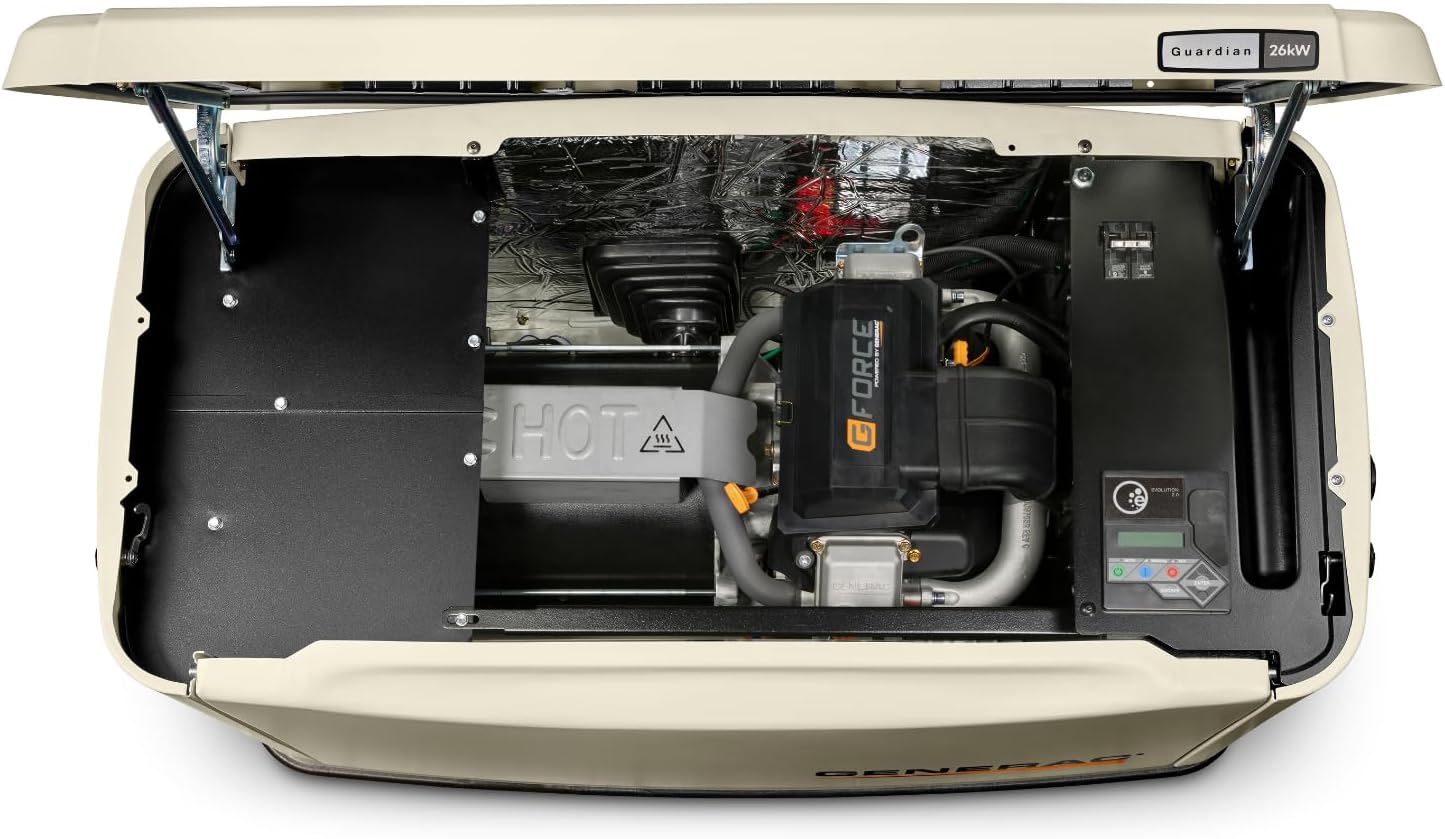
Kohler Home Generators 26RCAL-200SELS 26kW Standby Generator with 200A Transfer Switch
 Representative Photo, actual item may vary
 Representative Photo, actual item may vary
 Representative Photo, actual item may vary
 Representative Photo, actual item may vary
 Representative Photo, actual item may vary
 Representative Photo, actual item may vary
 Representative Photo, actual item may vary
 Representative Photo, actual item may vary
 Representative Photo, actual item may vary

Briggs & Stratton 30741 ELITE8000 8000 Watt Portable Generator with Electric Start and CO Guard

Firman W03386 3650W Portable Inverter Generator with Remote Start and CO Alert

 Representative Photo, actual item may vary

 Representative Photo, actual item may vary
 Representative Photo, actual item may vary
 Representative Photo, actual item may vary
Why Every Shop Needs a Reliable Generator
Whether you're running an auto repair bay, a fabrication shop, or a busy DIY garage, a dependable shop generator is one of the most critical pieces of equipment you can own. Power tools, air compressors, lifts, welders, and diagnostic equipment all draw significant electrical loads — and a well-matched generator ensures your workflow never stops, even when the grid is unreliable or you're operating in a location without utility power.
Shop generators differ from simple household backup units in that they need to handle sustained, heavy loads for extended periods. Understanding a few key specifications will help you choose the right unit for your application.
What to Look for in a Shop Generator
- Running vs. Starting Watts: Motor-driven tools and compressors require a large surge of power to start. Always compare a generator's peak (starting) wattage against its rated (running) wattage to make sure it can handle startup loads.
- Fuel Type: Gasoline is widely available, but dual-fuel and tri-fuel generators that run on propane or natural gas give you more flexibility and longer-term storage options — a major advantage in a professional shop setting.
- Output Voltage: Many shop tools and equipment require 120V/240V output. Look for generators with an L14-30 outlet or similar to power heavy-duty equipment directly.
- Run Time: For full-day shop operations, fuel tank capacity and engine efficiency matter. Inverter generators dynamically adjust engine speed to conserve fuel, while conventional open-frame units deliver maximum sustained output.
- Portability vs. Stationary Use: Wheeled, portable units offer flexibility across jobsites, while larger open-frame generators are best suited for a fixed shop location.
Top Brands for Shop Generators
Firman Generators is a leading name in portable power, known for combining strong performance with fuel flexibility. Firman's shop generator lineup includes gasoline, dual-fuel, and tri-fuel models, many featuring electric start and CO Alert safety technology — making them a well-rounded choice for professionals who need adaptable, reliable power on the jobsite or in the garage.
Eastern Tools & Equipment (ETQ) offers one of the broadest selections of portable generators in this category, spanning gasoline and diesel-powered units across a wide range of wattage outputs. Eastern Tools & Equipment generators are positioned as a value-driven option, making them popular among budget-conscious shop owners and hobbyists who need a capable unit without overspending.
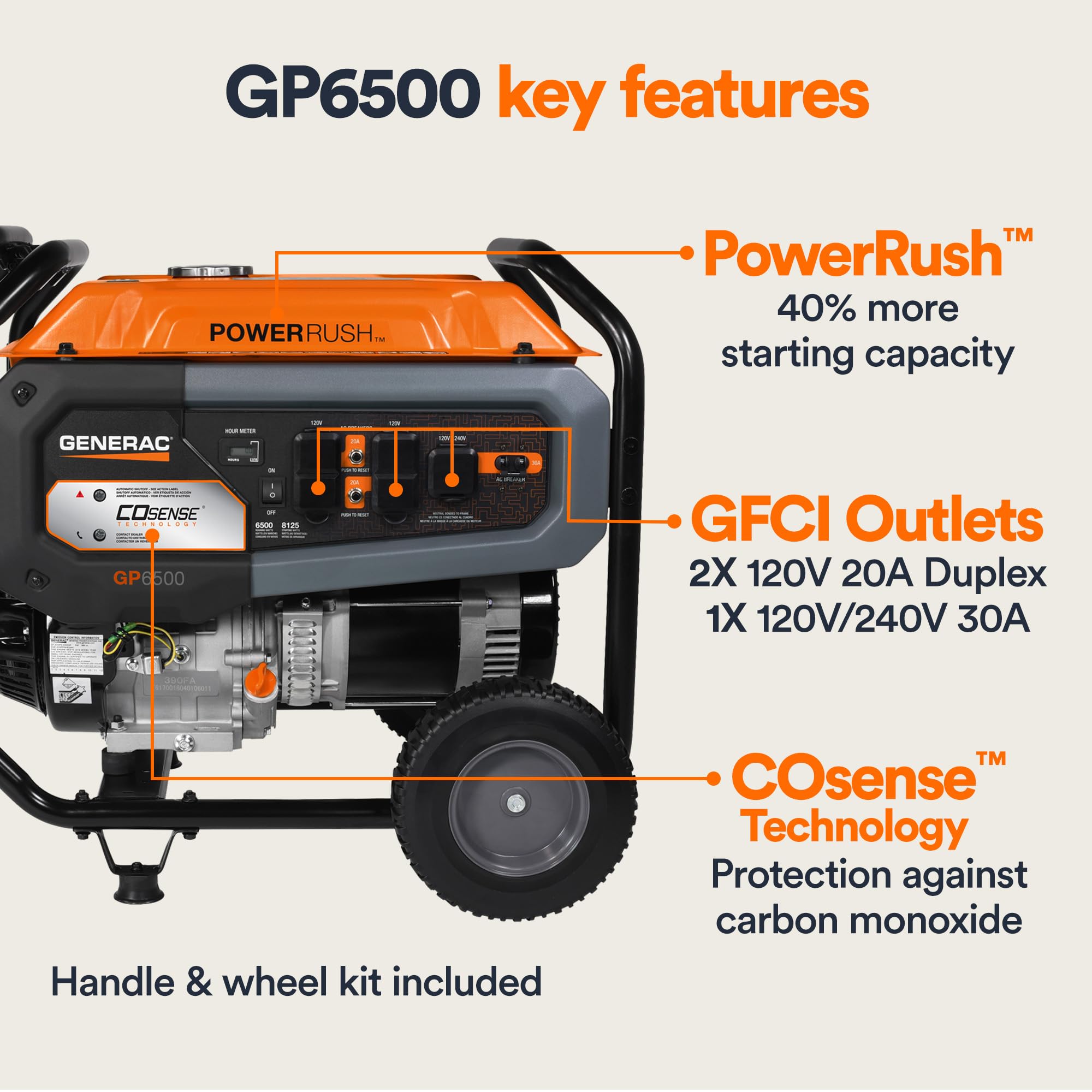
Generac brings decades of power generation expertise to the shop generator segment. Generac's portable generator lineup ranges from compact inverter units ideal for sensitive electronics to high-output open-frame models capable of powering heavy shop equipment, with key safety features like low-oil shutdown and COsense technology built in.
Choosing the Right Generator for Your Shop
The right shop generator depends on your total power requirements, how long you need to run it, and what fuel sources you have readily available. Add up the running wattage of everything you plan to power simultaneously, factor in the highest startup surge among your equipment, and choose a generator with comfortable headroom above that figure. A generator that runs at 50–75% of its rated load will typically last longer and run more efficiently than one pushed to its limits constantly.