


Clutch Starter Safety Switch

Standard Motor Products NS301 Neutral Backup Clutch Starter Safety Switch








Dorman 901-5103 Clutch Pedal Position Switch with Wiring Harness




Performance Machine 0062-2110M-B CAN Bus Hydraulic Clutch Safety Switch Actuator



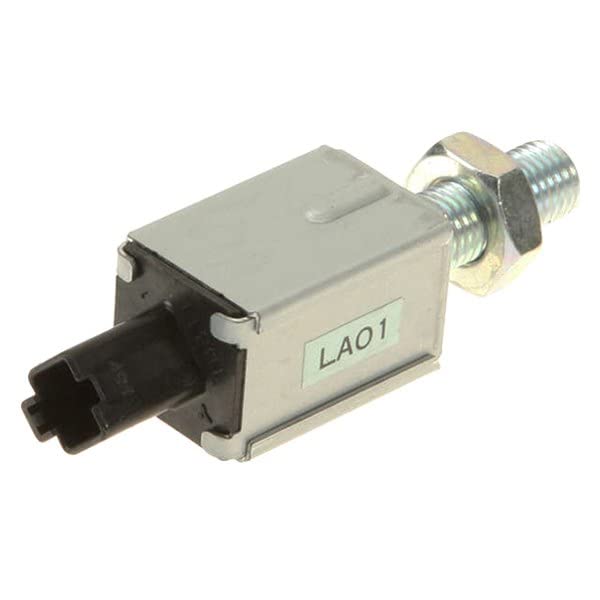 Representative Photo, actual item may vary


 Representative Photo, actual item may vary

 Representative Photo, actual item may vary

OEM 55-701-396 Clutch Pedal Position Switch for GM Saturn Saab Opel Vauxhall

 Representative Photo, actual item may vary

 Representative Photo, actual item may vary


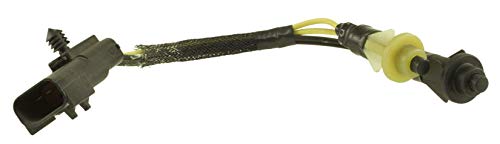 Representative Photo, actual item may vary


 Representative Photo, actual item may vary
 Representative Photo, actual item may vary

 Representative Photo, actual item may vary
- 1
- 2
What Is a Clutch Starter Safety Switch?
The clutch starter safety switch is a small but critical component in any manual transmission vehicle's starting system. Its sole job is to prevent the engine from cranking unless the clutch pedal is fully depressed — ensuring the drivetrain is disengaged before starter motor power is applied. Without a properly functioning switch, a vehicle could lurch forward unexpectedly the moment the ignition key is turned, creating a serious safety hazard.
Mounted on the clutch pedal assembly or master pushrod, the switch operates by closing an electrical circuit between the ignition and the starter relay only when the pedal is depressed. When you release the clutch, the circuit opens again. It's a deceptively simple mechanism that carries significant safety implications.
Why Clutch Starter Safety Switches Fail — and When to Replace
Like any electrical switch, these components are subject to wear, corrosion, and mechanical fatigue over time. A faulty clutch safety switch typically presents in one of three ways: the engine refuses to start even with the clutch fully depressed, the engine starts without the clutch pedal being pressed at all, or starting becomes intermittent — requiring multiple clutch presses before the starter engages. A secondary function of this switch is to disengage cruise control if the clutch fails while the system is active, so a failed switch can affect that system as well.
Diagnosing the switch is straightforward with a multimeter: with the pedal out, the switch should show infinite resistance (open circuit); with the pedal fully depressed, it should show continuity. Many switches are also adjustable, allowing fine-tuning of the activation point during clutch pedal travel adjustment.
Choosing the Right Replacement Switch
When replacing a clutch starter safety switch, fit and electrical compatibility are paramount. A direct-fit replacement that matches the OEM connector, thread pitch, and activation stroke will restore safe operation without modification. Look for switches built with quality conductor materials to ensure low-resistance electrical connections and long service life.
Here are the top brands available in this category:
- Facet — An Italian manufacturer with roots going back to 1946, Facet has built one of the most extensive switch catalogs on the market, with particularly strong coverage of European, Japanese, and Korean vehicle brands. Their pedal switches — including clutch starter safety switches — are engineered with innovative materials and an in-house design process backed by significant R&D investment.
- VEMO — A specialist brand under Germany's VIEROL group, VEMO was established to meet or exceed OEM performance standards in automotive electronics. With a catalog exceeding 15,000 electrical parts and a Q+ quality seal on select products denoting strict OEM compliance, VEMO is a trusted choice for European vehicle applications including VW, BMW, and Mercedes-Benz.
- Dorman — A household name in the North American aftermarket, Dorman is known for engineering direct-fit replacement parts that restore OE form, fit, and function. Their clutch starter safety switch offering is a reliable, widely compatible option for domestic and import vehicles alike.
- Genuine — For drivers who want the confidence of an OEM-sourced component, Genuine parts are manufactured to the exact specifications of the original part, ensuring seamless integration with the vehicle's existing electrical system.
Safety First — Don't Ignore a Faulty Switch
Bypassing or ignoring a failed clutch starter safety switch is a tempting quick fix, but it eliminates an important layer of vehicle safety. A vehicle that can start in gear without the clutch depressed poses a real collision risk. Replacing the switch is typically a simple, low-cost repair that any DIYer can tackle with basic tools — and the peace of mind it restores is well worth it.