


Sandpaper

 Representative Photo, actual item may vary


 Representative Photo, actual item may vary
Norton Grit Speed-Grip Sanding Disc


 Representative Photo, actual item may vary


 Representative Photo, actual item may vary
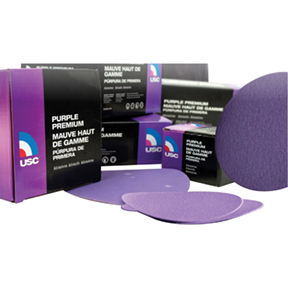
US Chemical Wet/Dry Sandpaper Sheets

 Representative Photo, actual item may vary

 Representative Photo, actual item may vary
3M Cubitron II Hookit File Sheet


 Representative Photo, actual item may vary
3M Blue Sandpaper Sheets


 Representative Photo, actual item may vary


 Representative Photo, actual item may vary
 Representative Photo, actual item may vary




 Representative Photo, actual item may vary
Norton PSA Sheet Roll Sandpaper


3M 02262 Green Corps Stikit File Sheet Dust-Free 36E Grit 2-3/4in x 16in 100/Box


 Representative Photo, actual item may vary

Why Sandpaper Is the Foundation of Every Great Finish
Whether you're smoothing body filler on a collision repair, scuffing a panel before primer, or knocking down orange peel after a fresh clear coat, sandpaper is the single most indispensable tool in any refinishing workflow. Choosing the right abrasive — the right grit, the right mineral, and the right backing — directly determines the quality of the surface you build up, and ultimately the appearance of the final paint job.
Sandpaper is graded by grit, a number that describes the size of the abrasive particles bonded to the backing. Low grit numbers (36–80) indicate coarse abrasives suited for heavy stock removal — stripping old paint, shaping body filler, or leveling rough surfaces. Medium grits (120–220) bridge the gap, refining the surface and removing deep scratches left by coarser papers. Fine and ultra-fine grits (320 and higher, up to 5000) are used for paint prep, scuff sanding between coats, wet sanding, and final finishing before polish. Understanding this progression and working through grits systematically is the key to a scratch-free, show-quality result.
Abrasive Minerals and Backings: What to Know Before You Buy
The mineral type matters just as much as the grit. Aluminum oxide is the most common choice for general-purpose automotive sanding — durable and cost-effective. Silicon carbide is harder and self-fractures during use for a consistently sharp cutting edge, making it a go-to for wet sanding clear coats and finishes. Ceramic alumina is the premium option, engineered to cut faster and last longer than conventional minerals, making it ideal for high-production body shop environments. Backings range from lightweight paper (flexible and conformable) to film (more durable and tear-resistant, preferred for featheredging and finish work) to foam (excellent for curved panels and blend zones).
Top Sandpaper Brands
3M is virtually synonymous with automotive abrasives. Their extensive lineup — including the Wetordry™ series for wet sanding, the Trizact™ system for ultra-fine finishing, the Cubitron™ II line featuring Precision-Shaped Ceramic Grain technology, and the workhorse Green Corps™ production sheets — covers every stage from coarse grinding to final polish preparation. Shop 3M sandpaper.
Norton brings over 130 years of abrasive expertise to the table. Founded in 1885 and now a brand of Saint-Gobain, Norton is widely recognized as one of the world's largest manufacturers of abrasives, with a portfolio spanning automotive refinishing, collision repair, and industrial applications. Their Gold Reserve™ PSA rolls and Champagne Magnum sanding discs are proven performers in professional body shops. Shop Norton sandpaper.
Mirka is the pioneer of dust-free sanding technology in the automotive world. Their groundbreaking Abranet® net abrasive features thousands of perforations that allow dust to be vacuumed away continuously, preventing clogging and delivering a cleaner, healthier work environment. Mirka's Galaxy series adds self-sharpening ceramic grain and clogging-resistant coating for a truly multi-purpose abrasive. Shop Mirka sandpaper.
High Teck offers targeted abrasive solutions favored in professional refinishing environments, providing reliable performance for paint prep and surface conditioning. Shop High Teck sandpaper.
Sunmight rounds out the lineup with high-quality coated abrasives engineered for consistent results in automotive and body shop applications, offering a dependable alternative for shops looking to balance performance and value. Shop Sunmight sandpaper.
Choosing the Right Sandpaper for Your Job
- Stripping paint or shaping filler: Start with 40–80 grit aluminum oxide or ceramic sheets
- Featheredging and primer sanding: Step up to 120–180 grit for smooth transitions
- Scuff sanding between coats: 320–400 grit film or paper
- Wet sanding clear coat: 800–2000 grit silicon carbide or Trizact-style finishing abrasives
- Final finishing before polish: 3000–5000 grit ultra-fine abrasives