


Tubing Cutter
 Representative Photo, actual item may vary


 Representative Photo, actual item may vary


















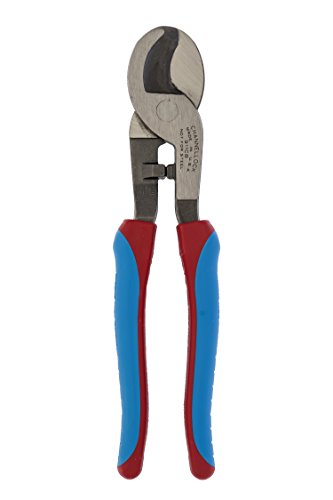 Representative Photo, actual item may vary


Channellock W-4418 Mini Tubing Cutter Replacement Blade, Copper/Aluminum, 2-Pack


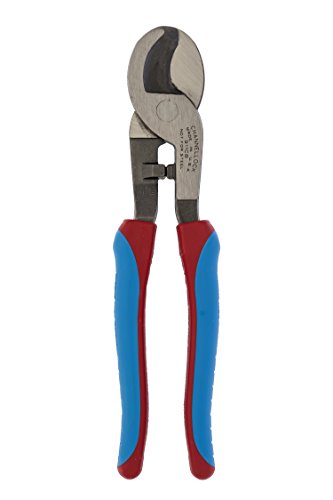 Representative Photo, actual item may vary


Performance Tool W82009 1-3/8-Inch Ratcheting PVC Pipe Cutter with SK5 Steel Blade


What Is a Tubing Cutter and Why Does It Matter?
A tubing cutter is a hand tool designed to slice cleanly through metal and plastic tubing — delivering a square, burr-minimal cut that a hacksaw simply cannot replicate consistently. Whether you are replacing an A/C line in an engine bay, repairing a brake line, working on a refrigeration system, or tackling a plumbing repair, the quality of your cut directly affects the integrity of every fitting, flare, and seal that follows. A ragged or angled cut can cause leaks, premature fitting failure, or refrigerant loss — problems that are far more costly than the few minutes it takes to do the job right the first time.
How Tubing Cutters Work
Most tubing cutters use a hardened cutting wheel that is progressively tightened against the tube as the tool is rotated around the circumference. With each rotation, the wheel scores deeper until the tube is cleanly severed. The result is a perpendicular cut that is ready for flaring, swaging, or fitting installation. Many cutters also incorporate flare cut-off grooves in their rollers, which allow you to reclaim tubing right up to an existing flare — minimizing waste on the job.
Key variables to consider when selecting a tubing cutter include the outside diameter (O.D.) range it supports, the materials it can handle (soft copper, hard copper, aluminum, brass, stainless steel, thin-wall steel, or plastic), and whether the tool's swing radius will fit in confined spaces like engine compartments or wall cavities. Mini and close-quarters cutters are indispensable in tight installations where a standard tool simply cannot rotate freely.
Types of Tubing Cutters
- Standard Wheel Cutters – The go-to for most copper, brass, and aluminum tubing in open workspaces.
- Mini / Close-Quarters Cutters – Compact designs engineered for restricted access areas where swing radius is at a premium.
- Heavy-Duty Cutters – Built for larger-diameter or harder materials like stainless steel, monel, and thick-wall tubing.
- Ratcheting / Autofeed Cutters – Self-advancing mechanisms reduce hand fatigue during repetitive or production cutting tasks.
- Plastic Tube & Hose Shears – Scissor-action tools optimized for plastic tubing and non-reinforced hose.
Top Tubing Cutter Brands
RIDGID is one of the most recognized names in pipe and tubing tools. RIDGID tube cutters are engineered to produce consistent, precise, clean cuts faster than using a hacksaw. Their extensive lineup — from close-quarters midget cutters to heavy-duty models — means there is a RIDGID cutter suited to virtually any application, making them the most broadly stocked brand in this category.
Imperial brings more than a century of tube-working heritage to every tool they produce. With roots dating back over 110 years, Imperial specialty tools are known worldwide for dependability and quality, designed and manufactured to exacting standards. All Imperial tube cutters are 100% factory tested to ensure accurate spiral-free cutting, and their lineup spans everything from mini IMP cutters to large-capacity Hi-Duty models for professional technicians.
Mastercool has built a strong reputation in the automotive and HVAC/R service trades. Mastercool has been a leading provider of professional quality air conditioning service tools and equipment for more than four decades. Their tube cutters are lightweight yet durable, with carbide steel cutting wheels that work with hard and soft copper, aluminum, brass, thin wall steel, and stainless steel.
Robinair is a trusted name among HVAC and automotive refrigeration technicians. Their tubing cutters pair naturally with their broader line of refrigeration service equipment, making them a convenient single-source option for A/C system work.
Cal-Van / Allstart offers practical, no-nonsense hand tools geared toward the everyday technician. Their tubing cutter selection rounds out a versatile tool kit for brake line, fuel line, and general automotive tube work.
Choosing the Right Tubing Cutter for Your Job
Start by identifying the O.D. range of the tubing you most commonly cut. Next, consider the material hardness — standard cutting wheels work well on copper and aluminum, but stainless steel and monel require upgraded hardened wheels. Finally, think about access: if you regularly work in tight engine bays or behind panels, a mini or close-quarters cutter will save you significant frustration. With the right cutter in hand, every downstream fitting, flare, and connection will seat cleanly and seal reliably.