


Power Brake Booster
 Representative Photo, actual item may vary


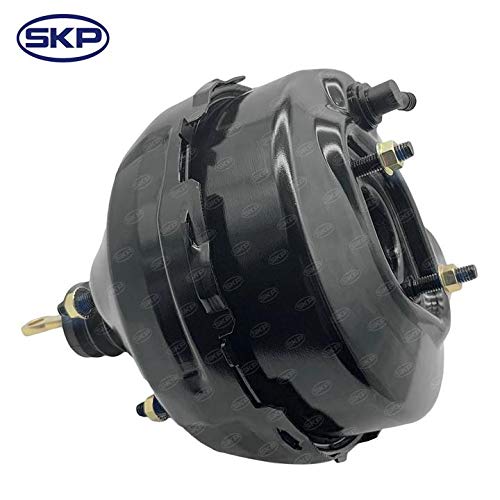 Representative Photo, actual item may vary
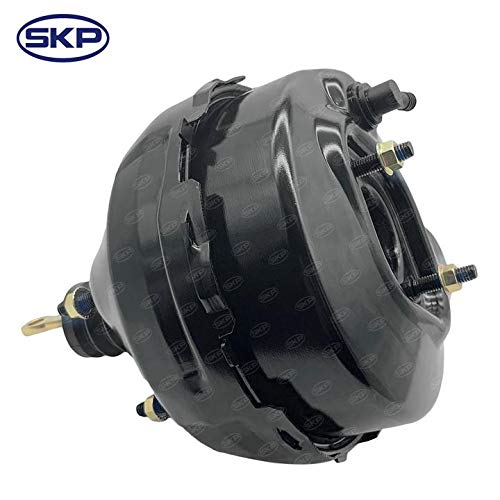 Representative Photo, actual item may vary
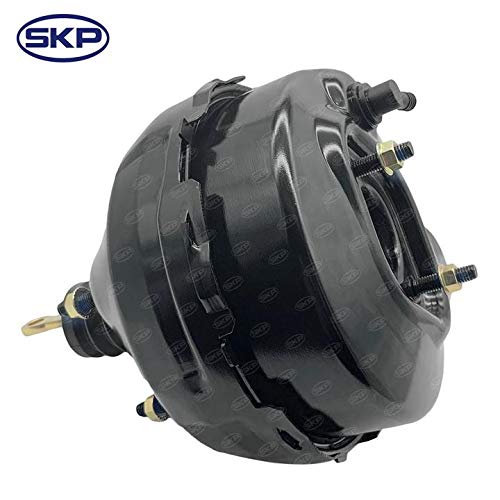 Representative Photo, actual item may vary

 Representative Photo, actual item may vary
 Representative Photo, actual item may vary
 Representative Photo, actual item may vary
 Representative Photo, actual item may vary
Genuine BMW-Mini 11 66 7 550 007 Brake Booster Vacuum Valve Sucking Jet Pump

 Representative Photo, actual item may vary
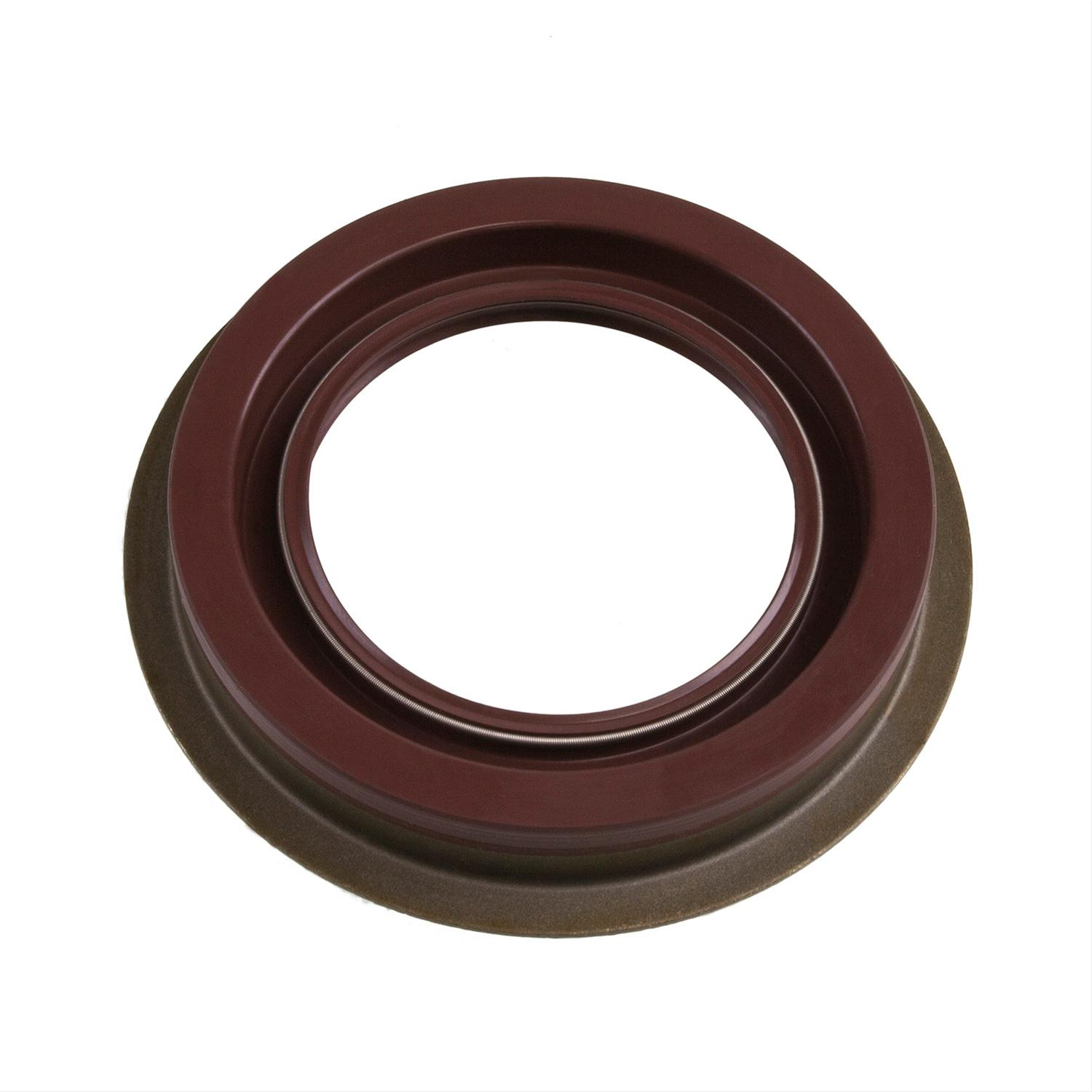 Representative Photo, actual item may vary


 Representative Photo, actual item may vary
 Representative Photo, actual item may vary

 Representative Photo, actual item may vary

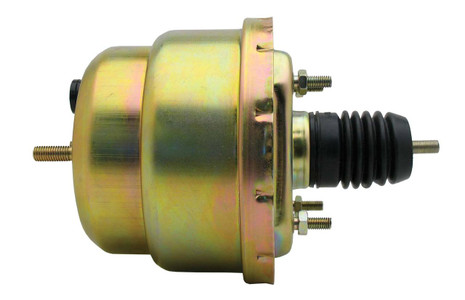 Representative Photo, actual item may vary
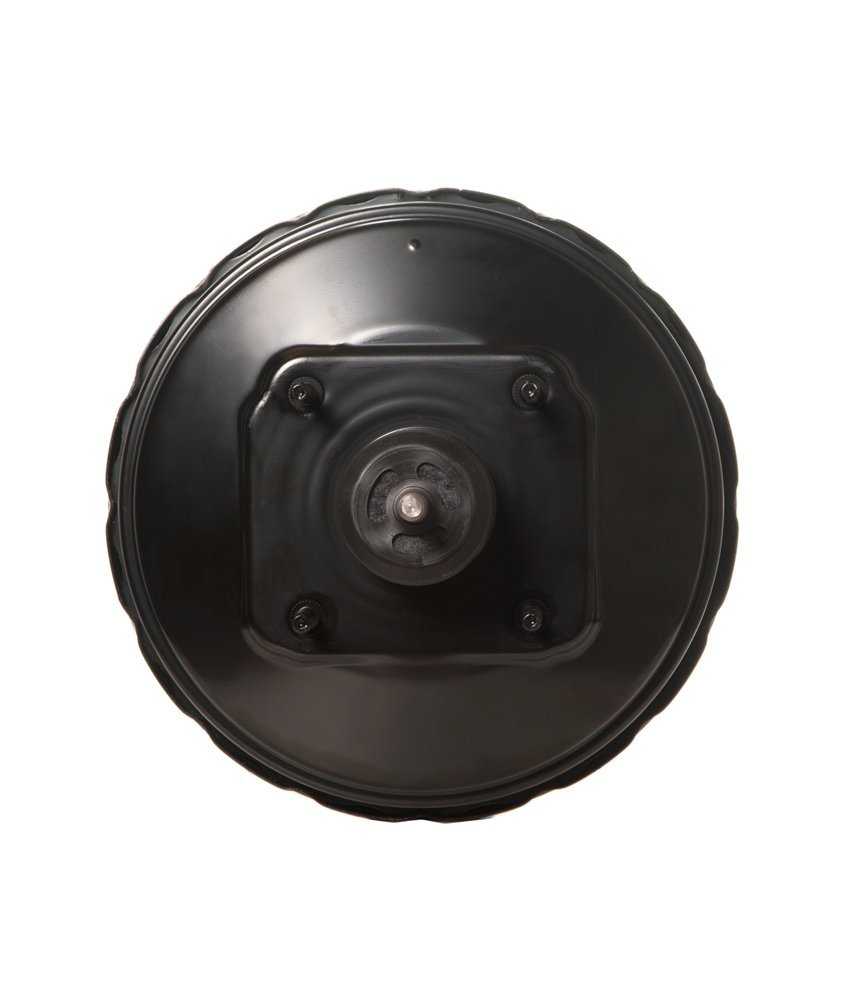 Representative Photo, actual item may vary

 Representative Photo, actual item may vary
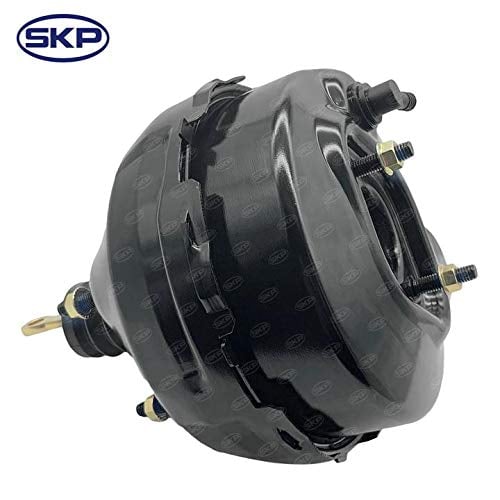 Representative Photo, actual item may vary
 Representative Photo, actual item may vary
 Representative Photo, actual item may vary
 Representative Photo, actual item may vary

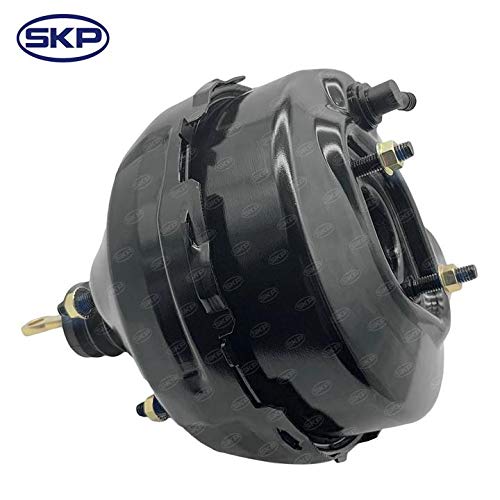 Representative Photo, actual item may vary
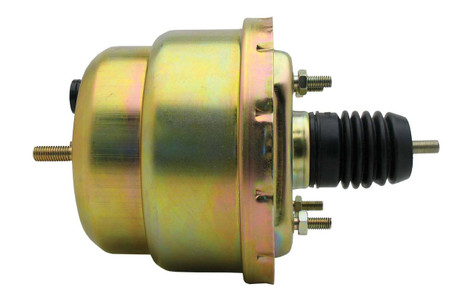 Representative Photo, actual item may vary
A-Premium APPBB0362 Vacuum Power Brake Booster Single Diaphragm Without Master Cylinder
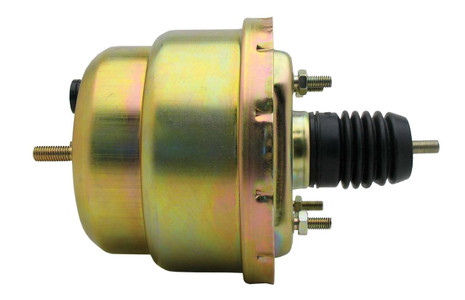 Representative Photo, actual item may vary
A-Premium APPBB0213 Vacuum Power Brake Booster Single Diaphragm Without Master Cylinder
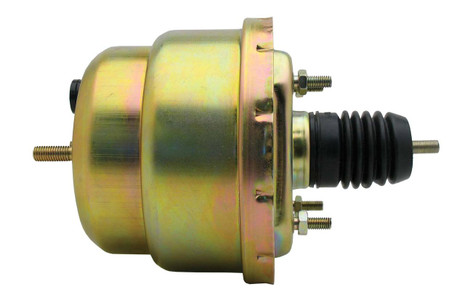 Representative Photo, actual item may vary
A-Premium APPBB0051 Vacuum Power Brake Booster Single Diaphragm Without Master Cylinder
 Representative Photo, actual item may vary
 Representative Photo, actual item may vary
 Representative Photo, actual item may vary

 Representative Photo, actual item may vary
 Representative Photo, actual item may vary
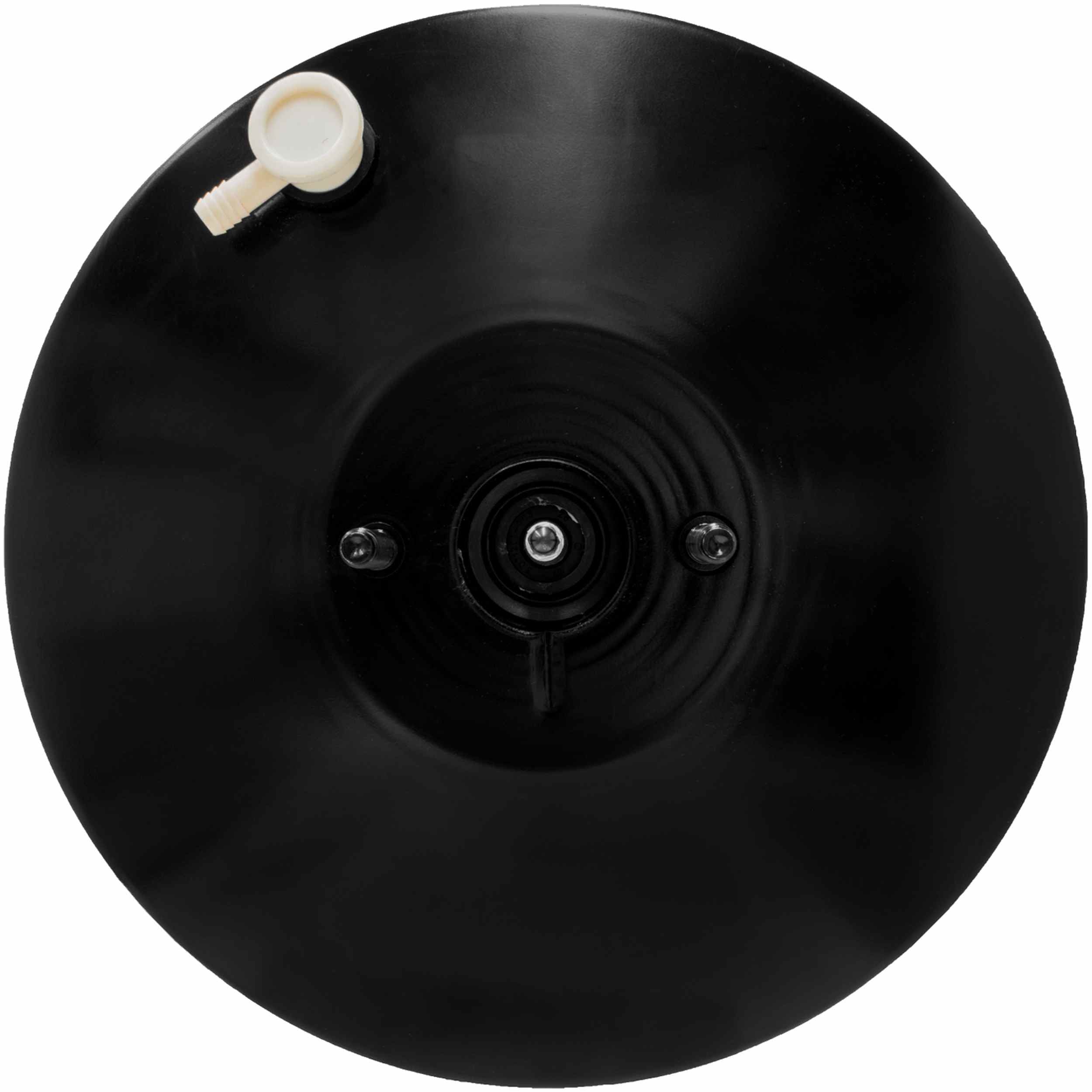 Representative Photo, actual item may vary


 Representative Photo, actual item may vary

 Representative Photo, actual item may vary
 Representative Photo, actual item may vary
 Representative Photo, actual item may vary


 Representative Photo, actual item may vary
 Representative Photo, actual item may vary
 Representative Photo, actual item may vary
 Representative Photo, actual item may vary
 Representative Photo, actual item may vary
 Representative Photo, actual item may vary
What Is a Power Brake Booster?
The power brake booster is one of the most critical — and most overlooked — components in your vehicle's braking system. Tucked between the brake pedal and the master cylinder on the firewall, this round metal canister does the heavy lifting every time you press the brake pedal. Without it, stopping a modern disc-brake-equipped vehicle would require significantly more leg force.
At its core, the power brake booster multiplies the force you apply through the pedal, translating a light foot press into the full clamping power needed to bring your vehicle to a controlled stop. The most common design — the vacuum booster — uses engine intake manifold vacuum to assist pedal input, with a flexible rubber diaphragm that moves toward the master cylinder when the brakes are applied, pushing hydraulic fluid through the brake lines to engage the calipers or drums.
Types of Power Brake Boosters
Not all brake boosters work the same way. Understanding the differences helps you choose the right replacement:
- Vacuum Brake Booster: The most common type, found on the vast majority of gasoline-powered passenger cars and light trucks. It uses engine vacuum to assist braking and is typically mounted directly to the firewall.
- Hydro-Boost Brake Booster: Uses hydraulic pressure from the power steering pump rather than engine vacuum. Common on diesel trucks, turbocharged vehicles, and heavy-duty applications where engine vacuum may be insufficient.
- Electro-Hydraulic / Electric Boosters: Found on hybrid and electric vehicles, these systems replace engine vacuum with an electric actuator or motor to generate braking assistance.
Signs of a Failing Power Brake Booster
A healthy brake booster should make pedal pressure feel light and consistent. Warning signs of a failing unit include a hard, stiff brake pedal that requires excessive effort to depress, a pedal that sinks slowly to the floor, or a hissing noise from behind the dashboard when braking. A failed check valve or compromised diaphragm are the most common culprits — and left unaddressed, a bad booster can place strain on the master cylinder and increase stopping distances.
Choosing the Right Replacement
When replacing a power brake booster, OEM-equivalent fitment is essential. Booster diameter, diaphragm design (single or tandem), and the interface with the master cylinder push rod must all match your vehicle's specifications precisely. For most drivers, choosing a direct OEM replacement from a trusted brand is the safest and most straightforward path.
Top Brands in Power Brake Boosters
Our catalog includes over 480 power brake booster options from the industry's most trusted names. ACDelco leads the category with both GM Original Equipment and Professional-grade remanufactured boosters — an ideal choice for GM vehicle owners seeking factory-spec performance. For European and import applications, ATE — an aftermarket brand of Continental Corporation — brings deep OE heritage to the replacement market, with a catalog spanning Audi, BMW, Mercedes-Benz, Volkswagen, and more. For Mopar enthusiasts looking to restore or upgrade their Chrysler, Dodge, or Jeep vehicles, Mopar Performance delivers factory-engineered boosters purpose-built for Stellantis platforms.