


Radiator Fitting Plug



 Representative Photo, actual item may vary
 Representative Photo, actual item may vary


Fleece Performance FPE-NPT-14 1/4 Inch NPT Hex Socket Plug Black Anodized Aluminum


Torque Solution TS-UNI-823D Billet Aluminum Hose Blanking Plug 34mm / 1.34 inch






 Representative Photo, actual item may vary

 Representative Photo, actual item may vary

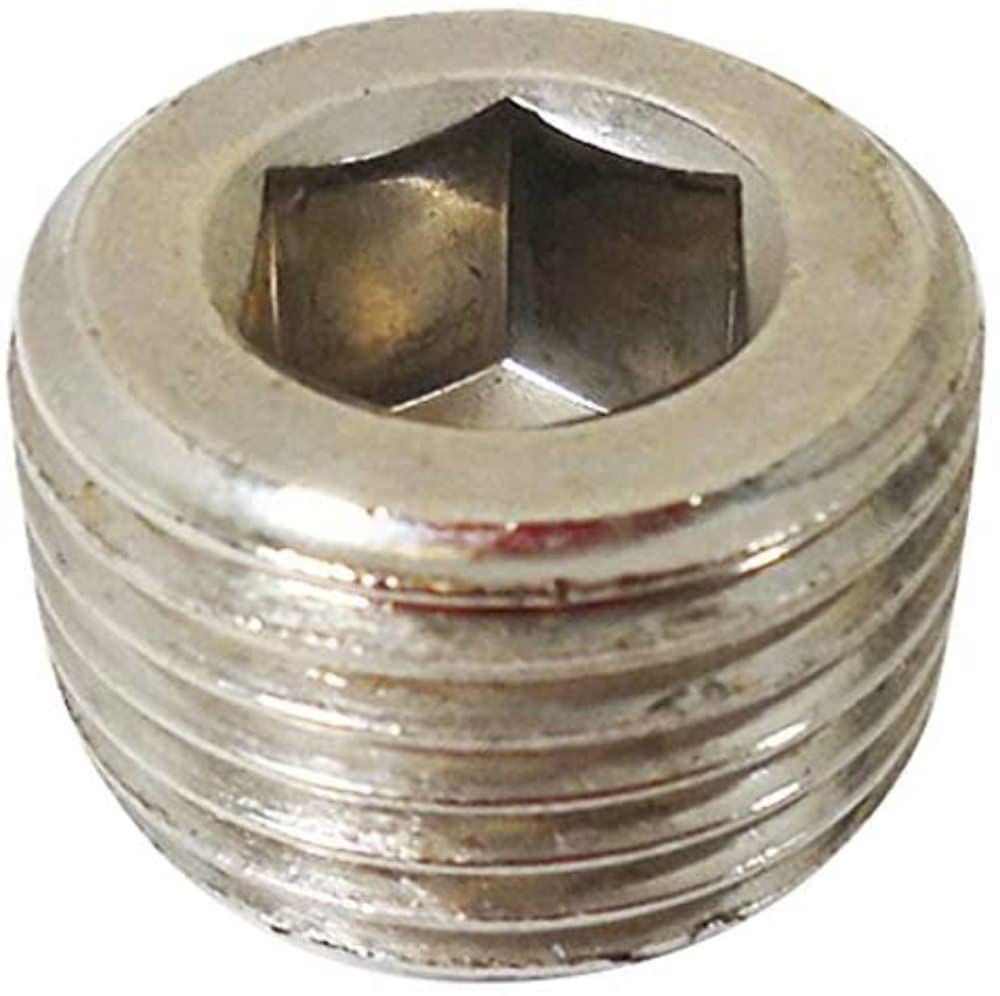 Representative Photo, actual item may vary

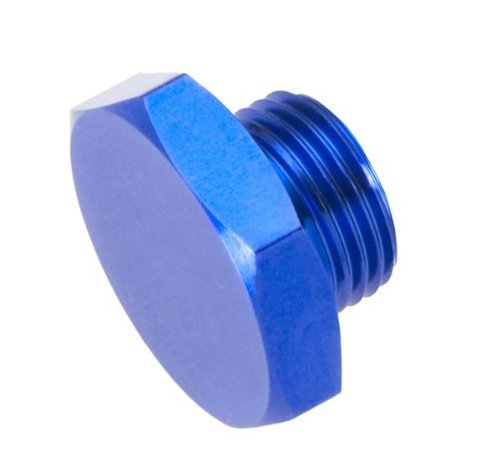 Representative Photo, actual item may vary

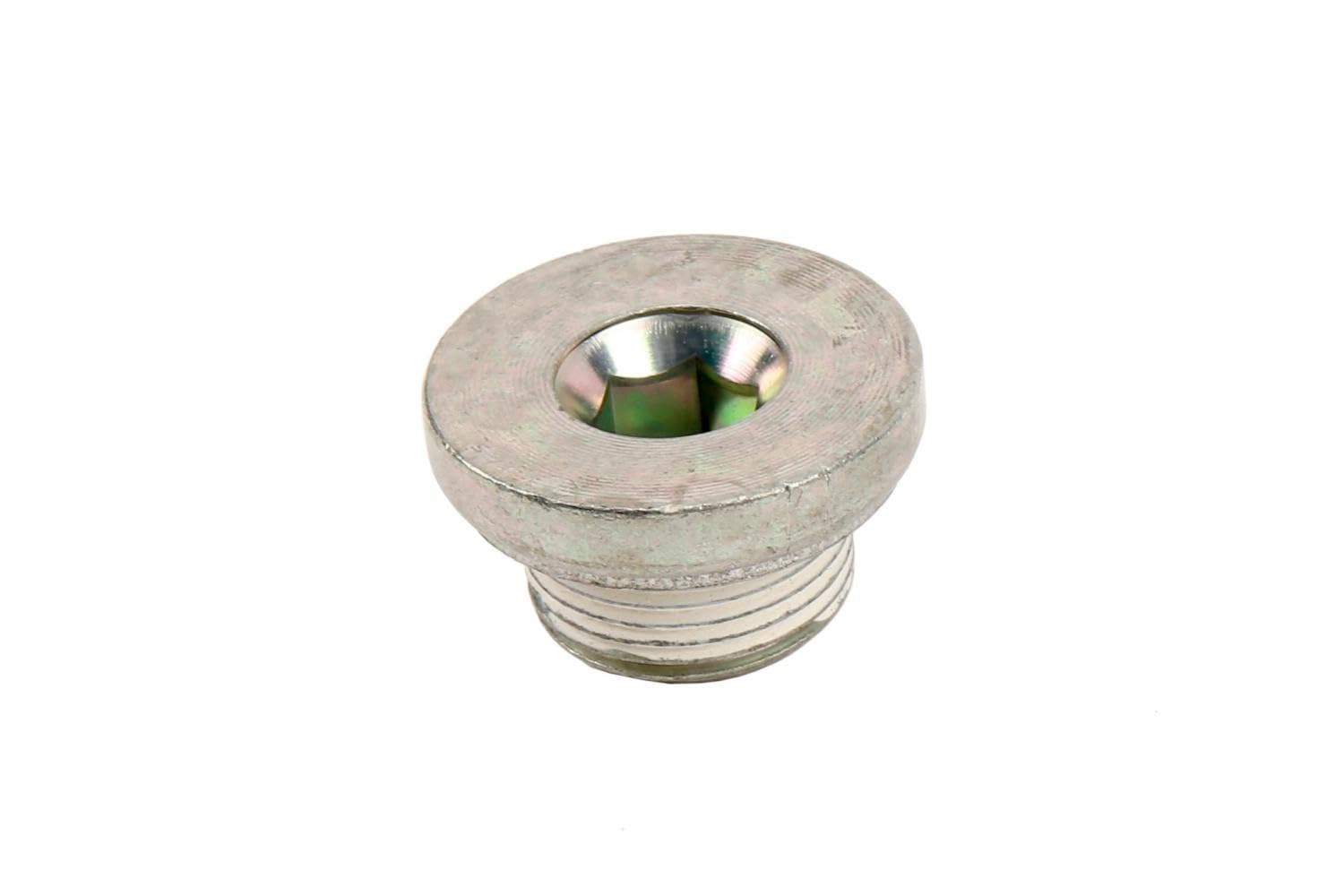 Representative Photo, actual item may vary



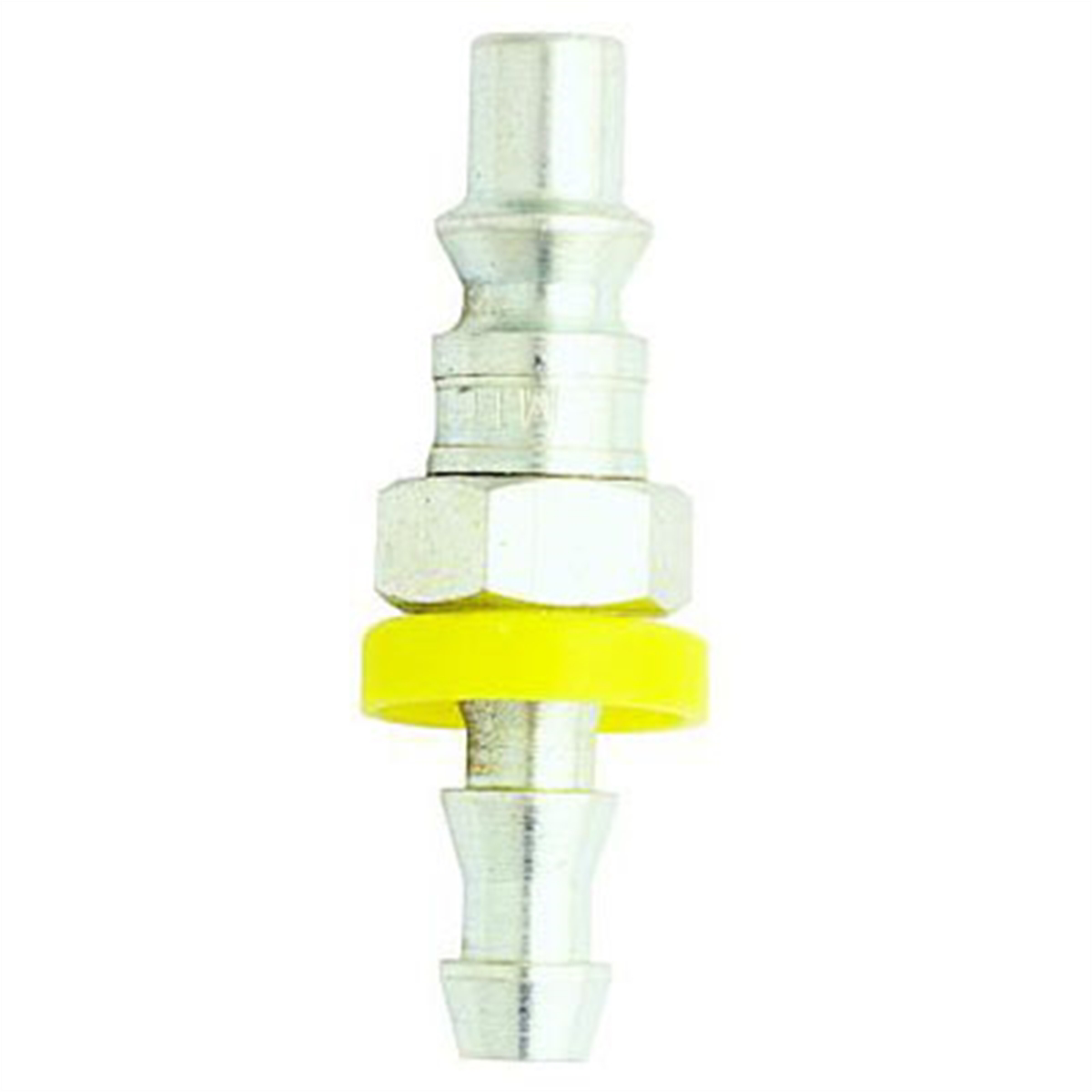 Representative Photo, actual item may vary
Milton Industries S-760-1W 1/4" MNPT HighFlowPro V-Style Steel Air Plug Fitting 2-Pack


Allstar Performance 49823 Hex Head Plug Fitting 1/4 in NPT Aluminum Black Anodized


 Representative Photo, actual item may vary
Gates G49140-0004 Drain Cock External Seat Automotive Cooling System Adapter



What Is a Radiator Fitting Plug?
A radiator fitting plug is a small but critically important component in any liquid-cooled engine system. Its job is simple: seal off unused or open ports on a radiator — particularly those originally intended for auxiliary fluid coolers, such as transmission oil or engine oil coolers — to prevent contamination, debris intrusion, and fluid leaks. Whether you are swapping out a radiator that came with built-in cooler provisions you don't need, performing a restoration, or replacing a worn-out original plug, getting the right fitting plug ensures your cooling system stays sealed and efficient.
Why Radiator Fitting Plugs Matter
Modern radiators — on everything from passenger vehicles to zero-turn mowers — often include ports and fittings beyond what any single application requires. There are two major categories of transmission cooler fittings: integrated and detachable. Integrated fittings should not be removed , but detachable ones may be present even when no auxiliary cooler lines are connected. Leaving those ports open invites debris, moisture, and contaminant ingress into precision internal passages.
The cooling system as a whole is unforgiving of neglect. A typical engine cooling system includes galleries in the engine block, a radiator, a water pump, a thermostat, and a fan — all working in concert to prevent overheating. A single compromised fitting or an unsealed port can disrupt this balance. Connecting or sealing components incorrectly can lead to cooling system inefficiencies and engine overheating.
Radiator fitting plugs are commonly made from brass or engineered plastic, and each material has its place depending on the thread type, operating temperature, and environment. If using teflon tape or thread sealant on plastic female threads, be careful not to overtighten the plug, as doing so can crack your radiator tank. Always match the plug's thread pitch and diameter to your specific radiator port specification.
Outdoor Power Equipment Applications
Radiator fitting plugs are not limited to automotive applications. Hydrostatic drive systems used in commercial mowers, lawn tractors, and other outdoor power equipment also rely on precision fluid management — and their integrated coolers and reservoirs require the same attention to sealing and maintenance that any engine radiator does. Choosing a OEM or OEM-equivalent plug ensures the correct fit, material compatibility, and thread engagement for your specific machine.
What to Look for When Shopping
- Thread size and pitch: Always verify the exact thread specification (NPT, BSPT, metric, etc.) for your radiator port before purchasing.
- Material: Brass plugs offer corrosion resistance and durability; quality plastic plugs are lighter and suitable for lower-pressure applications.
- Sealant compatibility: Some plugs require thread sealant or PTFE tape; follow the manufacturer's recommendation for your application.
- OEM vs. aftermarket: For precision equipment, OEM-sourced plugs from the original drivetrain or equipment manufacturer often deliver the best fit and long-term reliability.
Top Brands in Radiator Fitting Plugs
Founded in 1991 and headquartered in Sullivan, IL, Hydro-Gear is a world leader in the design and manufacture of precision drive solutions, marketing residential-grade hydraulic products under its Hydro-Gear brand and commercial-grade hydraulic products under its Hydro-Gear commercial brand. When it comes to radiator fitting plugs for outdoor power equipment, Hydro-Gear brings the same precision engineering standards that define its hydrostatic transmissions and transaxles, making their plugs and fittings a trusted choice for keeping hydraulic and cooling circuits properly sealed in demanding mowing and power equipment applications.