


Hydraulic Coupling / Adapter


 Representative Photo, actual item may vary


 Representative Photo, actual item may vary







 Representative Photo, actual item may vary
Deublin 9177K552 Stainless Steel Rotary Union 1-Way Flow Right Hand 1-1/4 Inch

 Representative Photo, actual item may vary

 Representative Photo, actual item may vary



 Representative Photo, actual item may vary

Gates G94911-0812 Hydraulic Quick Disconnect Coupler Steering Coupling Assembly - 8MQFF-12FP


Gates G60265-0808 Hydraulic Hose Adapter 8MB-8MP Male O-Ring Boss to Male Pipe

 Representative Photo, actual item may vary
 Representative Photo, actual item may vary
 Representative Photo, actual item may vary
 Representative Photo, actual item may vary


Omega Replacement Parts A24002000000 Hydraulic Hose Assembly for Bottle Jacks


 Representative Photo, actual item may vary


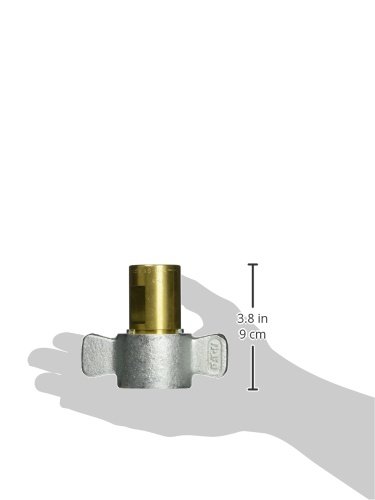 Representative Photo, actual item may vary
 Representative Photo, actual item may vary
 Representative Photo, actual item may vary

 Representative Photo, actual item may vary

 Representative Photo, actual item may vary
 Representative Photo, actual item may vary

 Representative Photo, actual item may vary
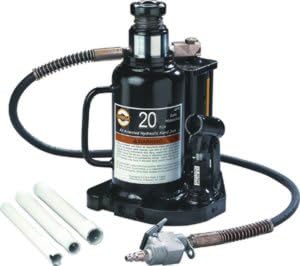 Representative Photo, actual item may vary
Omega Replacement Parts H2162811100 Adapter for BKH2100 Hydraulic Component
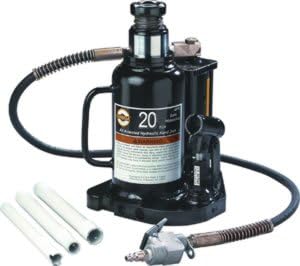 Representative Photo, actual item may vary

 Representative Photo, actual item may vary

 Representative Photo, actual item may vary


Gates G25110-0402 MegaCrimp Female Pipe Hydraulic Hose Coupling 1/4 Inch NPTF


Gates G20241-1212 GlobalSpiral Female Flat-Face O-Ring Swivel Hydraulic Fitting 90° Bent Tube 3/4" Hose

Gates G20910-1010 GlobalSpiral Hydraulic Hose Coupling Female Komatsu Metric Swivel


Gates G25100-0804 MegaCrimp Hydraulic Hose Coupling - Male Pipe NPTF 1/2" Hose
 Representative Photo, actual item may vary

Gates G20315-1620 GlobalSpiral Hydraulic Hose Fitting 1" Hose x 1-1/4" O-Ring Flange 90 Degree

Gates G60810-1612 Male Flat-Face O-Ring to Male O-Ring Boss 90-Degree SAE Hydraulic Adapter Fitting

Gates G94021-0812D Hydraulic Quick Disconnect Coupler Steering Coupling Assembly - 8FQBADA-12FP
What Are Hydraulic Couplings and Adapters?
At the heart of every hydraulic system lies a network of hoses, tubes, and components that must work together seamlessly under extreme pressure. Hydraulic couplings and adapters are the critical connectors that make this possible. Simply put, hydraulic fittings connect hoses and pipes to other system components such as tools, valves, and pumps — and when those components don't share the same thread type, port size, or connection standard, an adapter bridges the gap.
There's an important distinction between the two product types. Hydraulic adapters provide stable, permanent connections between mismatched thread sizes or connector styles — ideal when you need a reliable, leak-free conversion between two different system standards. Hydraulic couplings, on the other hand, allow you to quickly connect or disconnect hydraulic lines without tools, which is ideal when attachments change or service access is frequent. Knowing which you need is the first step to a leak-free, efficient hydraulic circuit.
Why They Matter for Vehicle and Equipment Service
A poorly chosen or failing hydraulic fitting can compromise an entire system. Vibration over extended periods can cause fittings to loosen over time, leading to leaks or failure, while contamination from dirt and debris can clog a coupler and prevent it from functioning properly. Whether you're servicing a vehicle's power steering system, maintaining heavy equipment, or working on a hydraulic tool setup, using the correct coupling or adapter is essential for maintaining system integrity, preventing fluid loss, and protecting downstream components.
Key factors to evaluate when selecting a hydraulic coupling or adapter include pressure rating, thread type (NPT, BSP, JIC, and others vary by application and region), seal style, and material compatibility. A mismatch in any of these areas can result in leaks, damaged seats, or premature failure.
Top Brands in Hydraulic Couplings & Adapters
Dayco leads this category with the widest product selection. Their lineup spans permanent crimp couplings in one-piece steel, aluminum, and brass construction, along with a broad range of swivel and quick-disconnect styles designed to join any combination of hoses or adapt between different size systems — making them a go-to for professional technicians.
Aeroquip, part of Eaton's fluid power portfolio, brings decades of engineering heritage to this category. Aeroquip offers hose, fittings, adapters, couplings, and fluid connectors for all pressure ranges in industrial, aerospace, and automotive applications — and their products are engineered to meet demanding specifications for pressure, durability, and reliability.
Gates rounds out the top brands, drawing on its long legacy in fluid power and hose technology. Gates hydraulic couplings are well-regarded among professionals who rely on consistent performance in high-pressure hydraulic service environments.
Choosing the Right Hydraulic Coupling or Adapter
- Thread compatibility: Match thread type and size precisely — NPT, BSP, JIC, and metric standards are not interchangeable without the proper adapter.
- Pressure rating: Always verify the maximum rated working pressure of any fitting against your system's requirements.
- Seal style: Most repeat leaks stem from a seal-style mismatch; confirm the seating style (O-ring face seal, cone seat, flare, etc.) before ordering.
- Material: Steel offers strength for high-pressure work; aluminum and brass suit lower-pressure or corrosion-sensitive applications.
- Coupler vs. adapter: Use adapters for permanent plumbing conversions; choose couplings when fast, repeated connect/disconnect cycles are required.