


Welding Helmet


ESAB Weld & Cut(Victor) 0700600860 Sentinel A60 Auto-Darkening Welding Helmet

ESAB 0700600895 Sentinel A60 Havoc Special Edition Auto-Darkening Welding Helmet
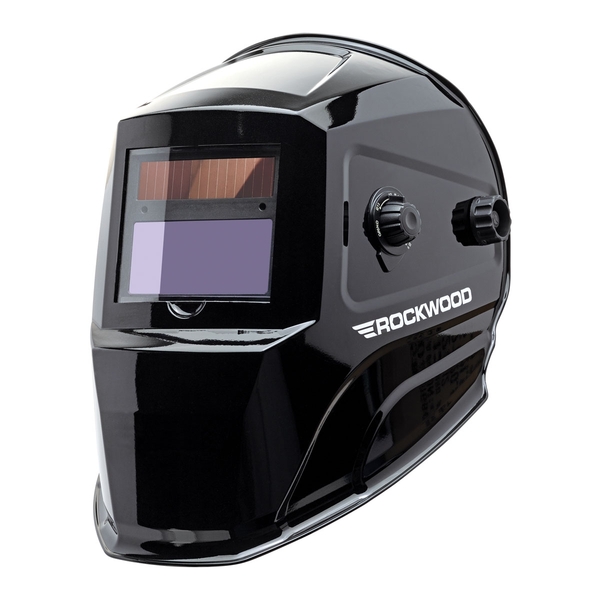 Representative Photo, actual item may vary


Dewalt 41603-FPL Replacement Front Protective Lens for DXMF21011 Welding Helmet


Forney Welding 57056 Outside Cover Lens 4-1/2 x 5-1/4 Inch Welding Helmet Replacement


Titan Tools 41279 Skull Solar Powered Auto-Darkening Welding Helmet



3M 49958 Speedglas 100 Xterminator Auto-Darkening Welding Helmet with ADF 100V, Shade 8-12


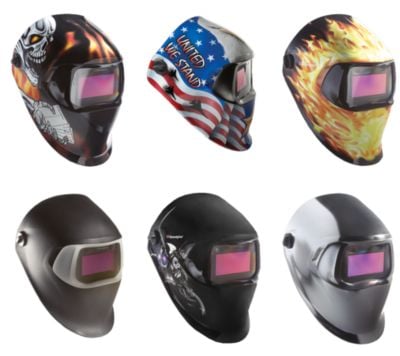 Representative Photo, actual item may vary


Titan Tools 41290 Solar Powered Auto-Darkening Welding Helmet with Gearhead Design

Titan Tools 41285 Auto Darkening Welding Helmet with Skulls and Chains Design


 Representative Photo, actual item may vary


Forney Welding 55699 Insta-Shade III Auto-Darkening Welding Helmet

Forney Welding 55698 Automatic Darkening Welding Helmet with Flame Design

3M 26-0400-55 Speedglas Duct Assembly Replacement Part for 9100 FX-Air Welding Helmet

3M 06-0200-52-B Speedglas Scratch Resistant Outside Protection Plate Welding Helmet - 9100 50/Case

 Representative Photo, actual item may vary


Titan Tools 41265 Solar Powered Auto-Darkening Welding Helmet with Eagle Flag Design


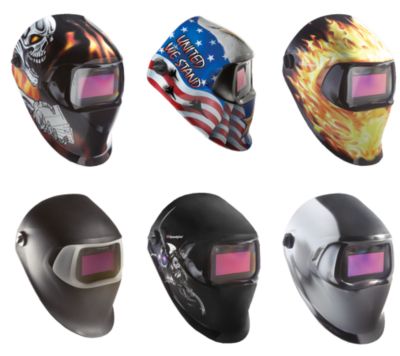 Representative Photo, actual item may vary
3M 82542-00000 CP8 Replacement Chin Protector for Speedglas Welding Helmets
 Representative Photo, actual item may vary


 Representative Photo, actual item may vary
 Representative Photo, actual item may vary


Shark Industries 14207 2-Inch x 4.25-Inch Clear Polycarbonate Welding Helmet Cover Lens


 Representative Photo, actual item may vary
ATD Tools and Supplies PRT3723-12 Tension Knob Replacement for ATD-3723 Welding Helmet


DEWALT 41603-ADF Replacement Auto-Darkening Filter for DXMF21011 Welding Helmet

Performance Tool W50057 Auto-Darkening Welding Helmet with Variable Shade Control



- 1
- 2
Why a Quality Welding Helmet Matters
A welding helmet is one of the most critical pieces of personal protective equipment a welder can own. Every welding process — MIG, TIG, stick, flux-core, and plasma cutting — produces intense ultraviolet and infrared radiation capable of causing permanent eye damage in seconds. Beyond arc flash, spatter, sparks, and airborne slag also pose serious risks to the face and neck. The right helmet doesn't just protect; it empowers welders to see their weld puddle clearly, position beads precisely, and work comfortably for extended periods.
Passive vs. Auto-Darkening Helmets
Welding helmets fall into two broad categories: passive and auto-darkening. Passive helmets use a fixed-shade lens (typically DIN 10) and require the welder to nod the helmet down before striking an arc. They are simple, reliable, and cost-effective — a great choice for hobbyists or single-process welders. Auto-darkening helmets (ADF) feature electronic lenses that shift from a light state to a dark state in milliseconds when arc sensors detect a strike. This allows welders to position their torch or electrode with the helmet already in place, dramatically improving accuracy and reducing neck strain.
When shopping auto-darkening helmets, pay attention to key specs: the shade range (typically DIN 9–13, with lower settings for plasma and grinding), switching speed (measured in fractions of a millisecond — faster is better), optical clarity class (EN 1/1/1/1 is the highest rating, with 1/1/1/2 also excellent), and the number of arc sensors (four sensors provide better detection coverage than two, especially in out-of-position welding). Fit matters too — look for multi-adjustable headgear with a comfortable sweatband for all-day use.
Top Welding Helmet Brands
ESAB Weld & Cut (Victor) is a global leader in welding safety and equipment. Their Savage and Sentinel helmet lines are renowned for features like OpTCS™ True Color lens technology and HALO™ headgear, catering to everyone from occasional hobbyists to demanding fabrication shop professionals. Explore ESAB welding helmets.
Eastwood Company has built a loyal following among automotive restoration enthusiasts and home-shop welders. Their auto-darkening helmets emphasize large and extra-large viewing areas combined with True Color Technology, making it easier to see body panel welds with exceptional clarity. Shop Eastwood welding helmets.
Firepower brings nearly a century of welding heritage to a range of auto-darkening and passive helmets designed for the serious DIYer and professional alike. Their solar-powered auto-darkening models feature four arc sensors and adjustable shade levels, offering outstanding value in personal welding protection. Browse Firepower welding helmets.
Titan Tools offers straightforward, budget-friendly welding helmet options suited for entry-level welders and shop technicians who need reliable protection without a steep learning curve. See Titan Tools welding helmets.
ATD Tools and Supplies rounds out the category with practical welding helmet solutions geared toward automotive service and repair technicians — ideal when you need dependable protection as part of a broader shop toolkit. View ATD welding helmets.
What to Look for When Buying a Welding Helmet
- Lens shade range: Match the shade range to your welding process — lower shades for plasma cutting and grinding, higher shades for high-amperage MIG and stick.
- Optical clarity rating: Look for EN optical class 1/1/1/1 or 1/1/1/2 for the clearest, most accurate view of the weld pool.
- Switching speed: Auto-darkening lenses with switching speeds under 1/25,000 of a second provide excellent arc protection.
- Arc sensor count: Four sensors minimize blind spots, especially when welding in tight corners or out-of-position.
- Headgear adjustability: Multi-point, ratcheting headgear provides a secure, fatigue-reducing fit during long sessions.
- Weight: Lighter shells reduce neck strain over extended use — an important consideration for professional welders.
- Certifications: Look for helmets that meet ANSI Z87.1 and/or CE EN175 standards for verified safety performance.