


Metal Repair Compound
 Representative Photo, actual item may vary


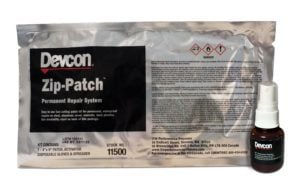 Representative Photo, actual item may vary



What Is a Metal Repair Compound?
A metal repair compound is a specially formulated chemical product — typically an epoxy paste, putty, or filled adhesive — designed to restore damaged metal surfaces without welding or full part replacement. These compounds are mixed or kneaded and then applied directly to cracks, holes, worn areas, and corroded surfaces, where they cure into a hard, durable mass that bonds tightly to the base metal. Whether you're dealing with a cracked engine bracket, a rusted-out panel, a leaking pipe fitting, or a worn shaft, the right metal repair compound can deliver a reliable, long-lasting fix.
How Metal Repair Compounds Work
Most automotive and industrial metal repair compounds are built around an epoxy chemistry — a system of a resin and a hardener that, when combined, form a tremendously strong and rigid bond suitable for a wide variety of metal surfaces. The metal-filled versions go a step further by suspending metallic particles (such as steel or aluminum) within the epoxy matrix, which gives the cured compound properties similar to cast metal: it can often be drilled, tapped, filed, and machined after it hardens.
Single-component pastes work differently, hardening as the solvent carrier evaporates rather than through a chemical reaction. These ready-to-use formats are prized for their speed and convenience, especially when making quick patch repairs on body panels, exhaust components, or outdoor equipment.
Common Automotive & Equipment Applications
Metal repair compounds are remarkably versatile. In the automotive world, they are regularly used to:
- Fill cracks and holes in metal surfaces, restoring them to their original shape or specified tolerance
- Repair and prevent corrosion in metal surfaces, particularly on body panels exposed to road salt and moisture
- Rebuild worn or damaged parts such as machine components, automotive brackets, and structural pieces
- Seal leaks in radiators, exhaust systems, mufflers, and pipe fittings
- Repair ductwork, foundry core boxes, and industrial ovens that experience extreme heat
High-temperature formulations are particularly important for underhood and exhaust applications, with some products rated to withstand temperatures as high as 1,000°F — making them suitable for radiators, mufflers, and engine components that cycle through extreme heat.
Key Considerations When Shopping for Metal Repair Compound
Not every metal repair compound is right for every job. Here are the most important factors to evaluate before you buy:
- Temperature Rating: Standard compounds work well for body and structural repairs, but underhood and exhaust applications require high-temp formulations that can handle sustained heat without softening or cracking.
- One-Part vs. Two-Part: Ready-to-use, single-component pastes offer convenience and quick application. Two-part epoxy systems typically deliver greater mechanical strength and chemical resistance once fully cured.
- Machinability: If the repaired surface needs to be drilled, tapped, or finished flush, look for compounds specifically rated as machinable after curing.
- Surface Compatibility: Most metal repair compounds adhere permanently to clean, dry steel, cast iron, and aluminum. Some formulations also bond well to hard plastic, glass, and plaster.
- Work Time & Cure Time: Fast-set formulas gel within minutes and are ideal for quick repairs, while slower-curing products give more time to shape, smooth, and position the compound before it hardens.
Surface Preparation: The Most Important Step
Regardless of the product chosen, proper surface preparation is the single biggest factor in achieving a lasting repair. The surface must be completely clean and free of oil, rust, dirt, and moisture before application. Lightly roughening the area with sandpaper or a wire brush dramatically improves adhesion by increasing the surface area for the compound to grip. Skipping this step is the most common reason metal repair compounds fail prematurely.
From quick patch jobs on aging equipment to permanent structural repairs on vehicle components, metal repair compounds are an essential item in any serious garage or workshop.