


Timing Light


Electronic Specialties EL125 Digital Timing Light with Tachometer and Advance Meter


Electronic Specialties 130-10 Self-Powered Inductive Timing Light with 10ft Lead











 Representative Photo, actual item may vary



 Representative Photo, actual item may vary
 Representative Photo, actual item may vary
 Representative Photo, actual item may vary
Performance Tool W80587 Digital Timing Light with LED Display for Automotive Ignition Systems

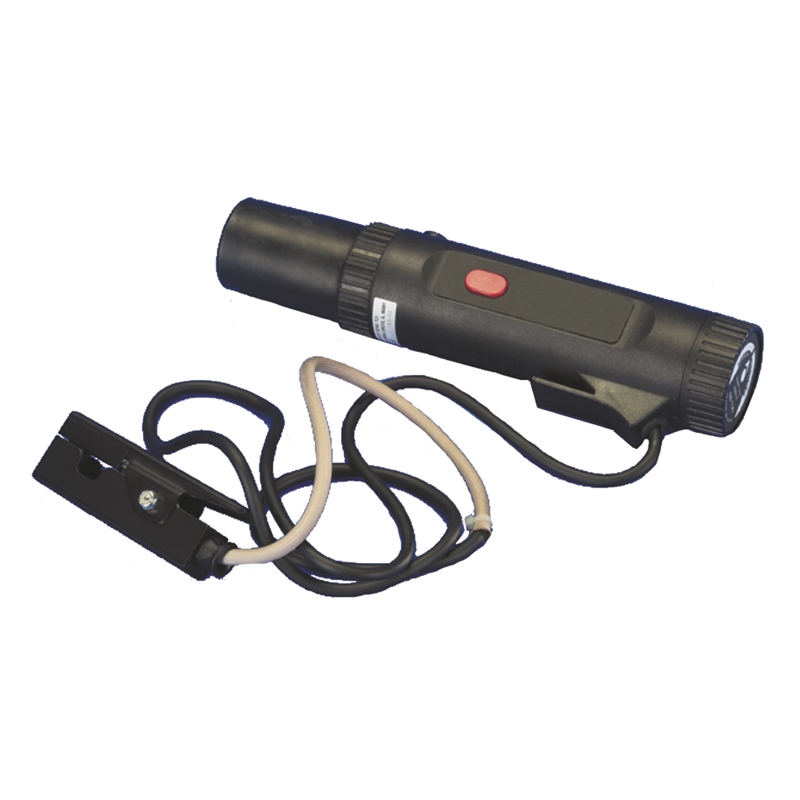 Representative Photo, actual item may vary



 Representative Photo, actual item may vary


 Representative Photo, actual item may vary
 Representative Photo, actual item may vary
 Representative Photo, actual item may vary

 Representative Photo, actual item may vary

 Representative Photo, actual item may vary
Eastern Tools & Equipment INN-5568 Digital Timing Light with Inductive Pickup and Case
What Is a Timing Light and Why Does It Matter?
A timing light is one of the most important diagnostic and tuning tools in any mechanic's arsenal for distributor-equipped engines. At its core, a timing light is a stroboscopic device that uses a synchronized flash of light to visually "freeze" the motion of a spinning engine component — typically the harmonic balancer or crankshaft pulley — so you can read exactly where ignition timing is set relative to the piston's position.
Proper ignition timing dictates the precise moment the spark plug fires the air-fuel mixture, measured in degrees of crankshaft rotation. Fire it too early and combustion pressure fights against the upward travel of the piston, causing knock and potential engine damage. Set it correctly, and peak combustion pressure arrives just as the piston begins its power stroke, maximizing torque and efficiency. Whether you're chasing maximum horsepower, better fuel economy, a smoother idle, or just restoring factory settings, getting the timing dialed in is fundamental.
How a Timing Light Works
Three connections make the tool function: the red and black clamps attach to the battery's positive and negative terminals, while an inductive pickup clamp wraps around the No. 1 spark plug wire. Every time that cylinder fires, the pickup detects the electrical pulse and triggers a bright strobe flash. Aimed at the timing marks on the harmonic balancer, the stroboscopic effect makes the rotating timing mark appear stationary, letting you read the current timing in degrees Before Top Dead Center (BTDC) against the fixed reference pointer on the timing cover.
From there, loosening the distributor hold-down bolt and rotating the distributor advances or retards the timing until the marks align with your target specification. Advanced timing lights add features like digital degree readouts, RPM displays, and dial-back adjustability for dialing in total timing — not just base timing at idle.
Choosing the Right Timing Light
- Basic inductive lights are ideal for quick checks on stock or mildly modified engines and are the most affordable option.
- Self-powered (battery-operated) lights eliminate battery clamp wires, reducing clutter under the hood and making them well-suited for race cars with rear-mounted batteries, magneto-equipped engines, motorcycles, and marine applications.
- Xenon strobe lights produce a bright enough flash to read timing marks clearly even in direct sunlight or a well-lit shop.
- Digital/dial-back lights allow you to offset the strobe by a set number of degrees, making it easy to read total timing on engines with significant mechanical advance.
Top Timing Light Brands
Flaming River is a well-regarded name in performance and racing circles, offering their signature self-powered timing lights that run on D-cell batteries and are compatible with any spark ignition engine — including magneto-equipped race engines. Their xenon bulb design produces a bright strobe visible in daylight, and the rubber-encased lens construction is built for durability in demanding shop and track environments.
MSD brings its deep roots in high-performance ignition technology directly to its timing light lineup. MSD timing lights are engineered with solid-state circuitry and feature a patented flash design that delivers stable, reliable signals across a wide RPM range, making them a natural pairing with MSD's own ignition systems as well as other performance and racing setups.