


Mack Brushes Paint Brush



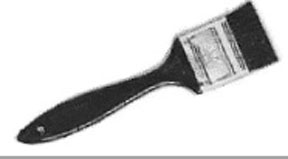 Representative Photo, actual item may vary


Mack Brushes Paint Brushes: A Pinstriper's Tradition
Few names in the paint brush world carry the heritage of Mack Brushes. The company traces its roots to Jonesville, Michigan, where Andrew Mack, head striper at a wagon and buggy factory, grew dissatisfied with the striping brushes available to him. After extensive experimentation, he developed what became known as the Mack Striping Pencil, and in 1891 he left to manufacture striping brushes full-time. That origin story still defines the brand's paint brush offering today: tools built for controlled, repeatable lines on vehicles, signs, and custom work.
What Sets These Paint Brushes Apart
Mack's pinstriping brushes use 100% unmixed squirrel hair, a material long favored for its ability to hold paint in the belly of the brush and release it in a smooth, consistent line. The company states that its brushes are still made by hand in Jonesville with no machinery involved, in much the same way as in 1891. Mack also notes that its bristles are wound with thread, glued, and treated so they resist pulling out, an important detail when a single stray hair can ruin a long stripe.
Notable Mack Paint Brush Styles
- The "Original" Mack Sword Striping Brush: The sword shape originated on early assembly lines for automotive paint touch-ups. The Series 20 touch-up and striping version is a sword-style brush made from unmixed squirrel hair that resists lacquer and enamel.
- Specialty stripers: The lineup includes Innovative Stripers, Scroll Stripers, Lazerlines, and Signature Series brushes, including designs developed with working pinstripers, such as the King 13 created with Todd Hanson.
- Sign painting and lettering brushes: Beyond striping, Mack makes flats, lettering quills, outliners, liners, script brushes, and fitches and cutters for sign painters and custom painters.
Choosing the Right Mack Brush
The right brush depends on the job. Sword-style brushes are versatile for all-around striping and touch-up work, while longer-haired scroll and dagger-style stripers suit sweeping curves and flowing designs. Lettering quills and flats are better for signwork and filling in letterforms. Hair length, belly size, and handle length all change how a brush carries paint and how much control you have, so match the brush to the paint system and the surface you are working on.
Care and Longevity
Natural-hair striping brushes reward good habits. Clean them thoroughly after each session with the appropriate solvent, reshape the hair, and store them so the tips are protected. A well-kept Mack brush can stay reliable for a long time.
Explore the full range of paint brushes from many manufacturers, or learn more about the company's history and other offerings on the Mack Brushes brand page.