


Engine Variable Timing Solenoid Seal







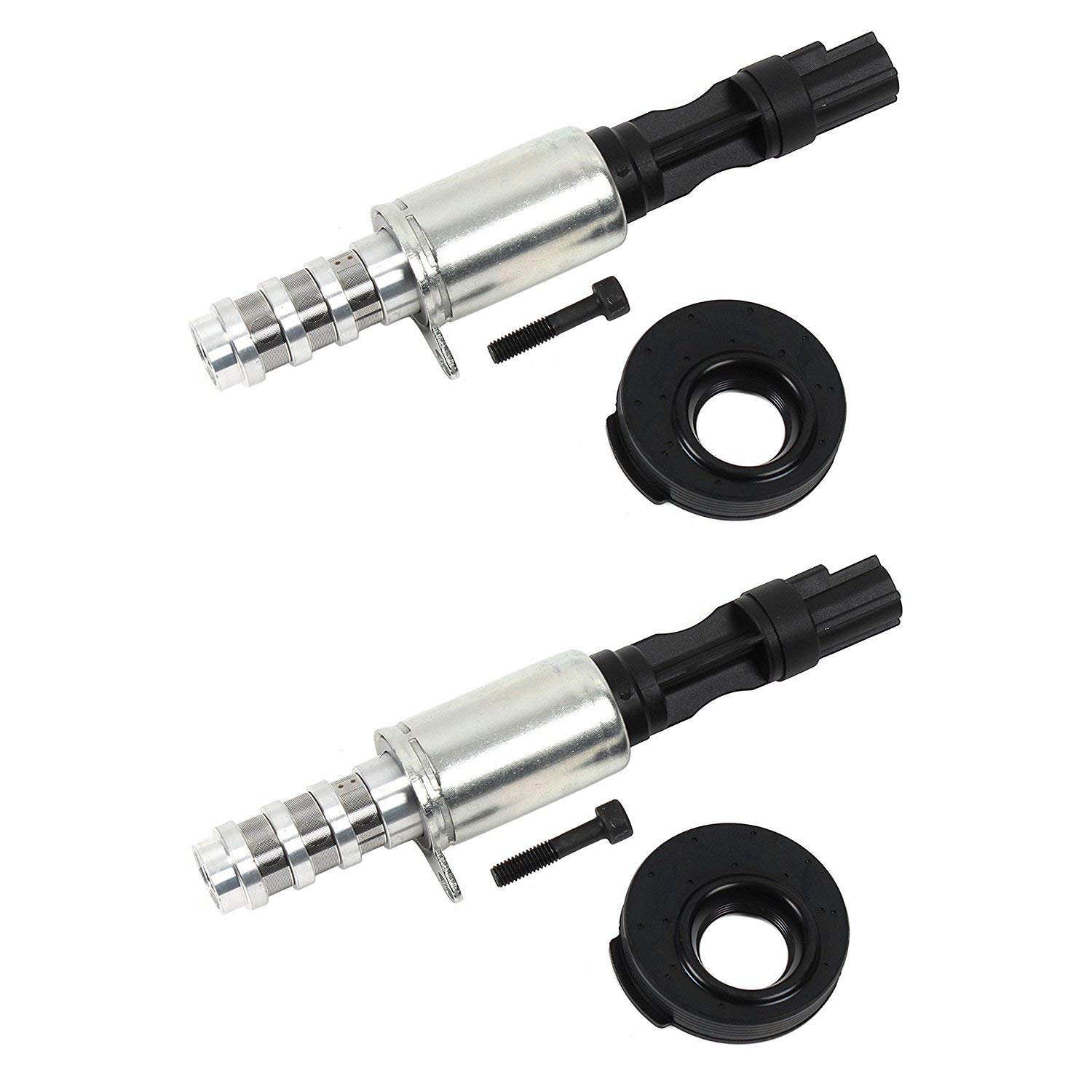 Representative Photo, actual item may vary

 Representative Photo, actual item may vary
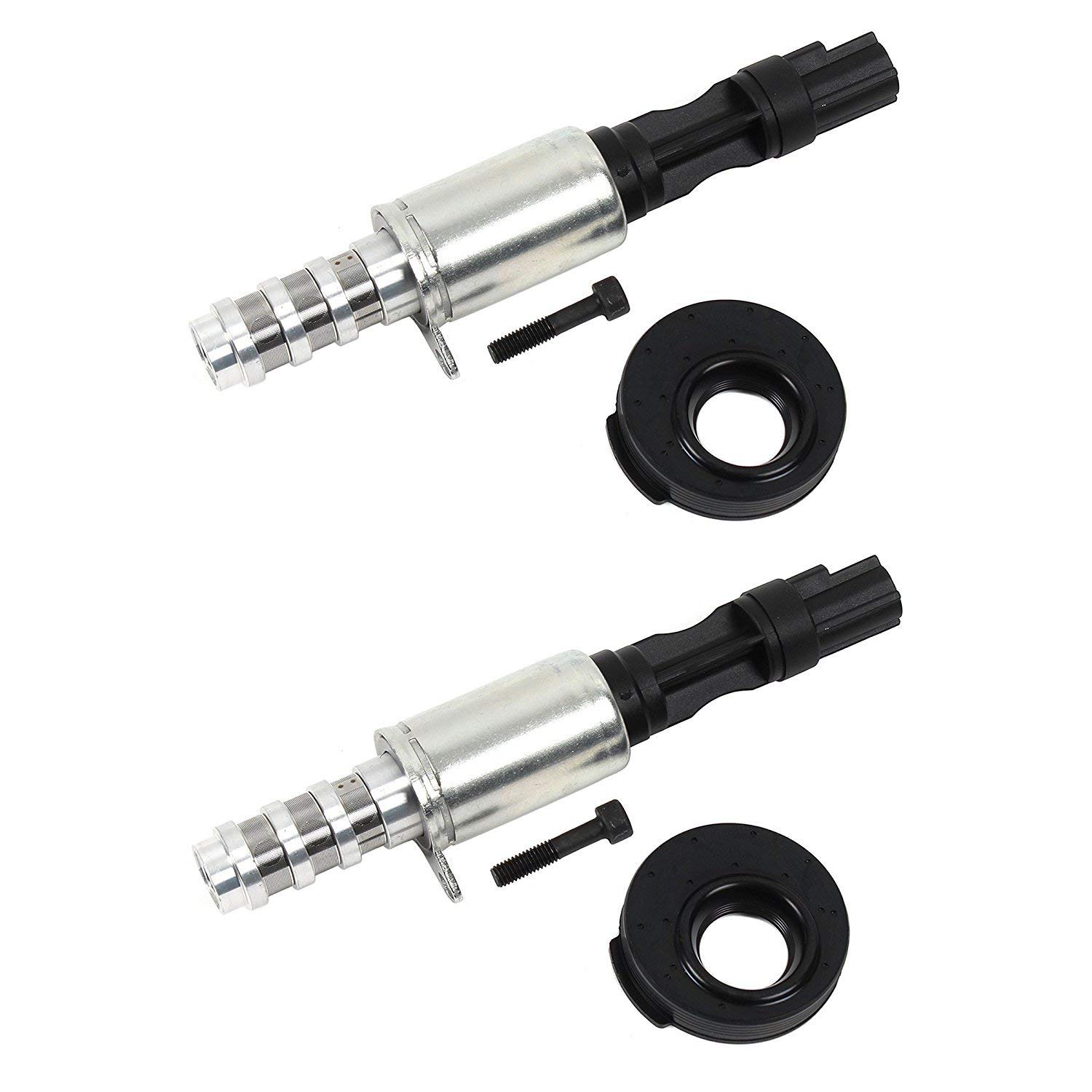 Representative Photo, actual item may vary



 Representative Photo, actual item may vary

Genuine Mercedes 008-997-30-48 64 Automatic Transmission Kickdown Solenoid O-Ring


 Representative Photo, actual item may vary


 Representative Photo, actual item may vary
 Representative Photo, actual item may vary

What Is an Engine Variable Timing Solenoid Seal?
Modern engines rely on variable valve timing (VVT) systems to continuously optimize performance, fuel efficiency, and emissions across a wide range of driving conditions. At the heart of these systems is the VVT solenoid — an electro-hydraulic valve that directs pressurized engine oil to the camshaft actuators, telling the engine exactly when to open and close its intake and exhaust valves. The engine variable timing solenoid seal is the critical sealing component that sits between the solenoid body and its mating surface on the cylinder head or engine block, preventing oil from escaping under pressure.
These seals — which may take the form of O-rings, gaskets, or seal kits depending on the application — play a surprisingly important role in system reliability. Engine variable valve timing (VVT) seals are designed to provide a tight, reliable seal between the VVT solenoid and mating components. When they function properly, they ensure the solenoid receives consistent oil pressure so it can do its job. When they fail, the consequences ripple outward quickly.
Why a Failing VVT Solenoid Seal Matters
If the solenoid's O-ring is worn, it may cause minor oil seepage. What begins as a small leak can escalate into reduced oil pressure at the solenoid, disrupting the entire variable valve timing circuit. Signs of a bad VVT solenoid include issues with engine performance, such as rough idle, reduced fuel efficiency, engine knock, lack of power, or it can cause a Check Engine light to appear on the dashboard. Because these symptoms overlap with many other engine problems, it's easy to overlook a degraded seal as the root cause — making proactive replacement during any VVT service a smart move.
VVT solenoid seals should be replaced any time the solenoids are removed for service. This best practice prevents the need to revisit the repair shortly after, especially since old oil can lead to engine sludge that can clog oil passages and prevent the system from activating.
What to Look for When Buying a VVT Solenoid Seal
Not all VVT solenoid seals are interchangeable. Engine architecture, cylinder head design, and solenoid mounting style all influence which seal or seal kit your vehicle requires. Here are the key considerations:
- Fitment accuracy: Always confirm compatibility with your vehicle's year, make, model, and engine displacement. VVT solenoid interfaces vary significantly between manufacturers and even between engine families from the same automaker.
- Seal type: Some applications use a single O-ring, while others call for a multi-piece gasket kit. Certain OE FIX-style kits allow replacement of just the seals rather than the entire valve assembly, which can save considerable cost.
- Material quality: Look for seals made from materials rated for long-term contact with hot engine oil and high temperatures. Cheap materials may harden, crack, or compress over time, defeating the purpose of the repair.
- Kit completeness: Some seal kits include multiple seals for both the driver-side and passenger-side solenoids on multi-cam engines, making it easy to service both at once.
Dorman Engine Variable Timing Solenoid Seals
Dorman is among the most recognized names in the aftermarket engine parts category, and their VVT solenoid seal lineup reflects decades of engineering experience. Dorman's engine variable valve timing (VVT) seals are designed to match the fit, function and performance of the original seals on specified vehicle makes, models and years, and are engineered to provide a tight, reliable seal between the VVT solenoid and mating components when the original seals have failed or when the VVT is serviced or replaced. For Honda and Acura VTEC engines specifically, Dorman's OE FIX VVT spool valve replacement gasket assortment is designed to save labor time and money by enabling the replacement of just the failed gaskets, saving unnecessary expense, helping to restore engine performance, and eliminating oil leaks.